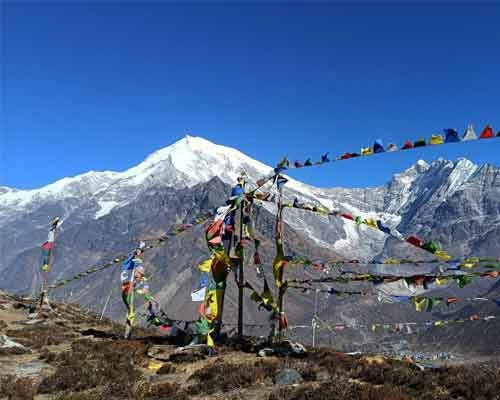
Langtang Valley- Tamang Heritage TrekkingLangtang Valley- Tamang Heritage Trekking

Langtang Tamang Heritage Trek -14 Days

  • Duration14 Days
  • DestinationNepal
  • Difficulty Easy to Moderate
  • Max Altitude 5,030m
  • Activity Trekking
  • Accommodation Comfortable Hotel in Kathmandu and local lodges on trek
  • Meals Full package during trek
  • Transportation Private vehicle
  • Starts KTM - Shyabrubeshi
  • Ends Shyabrubesi - KTM
  • Best Season Sep- Nov, March – May
Overview
Trip Highlights
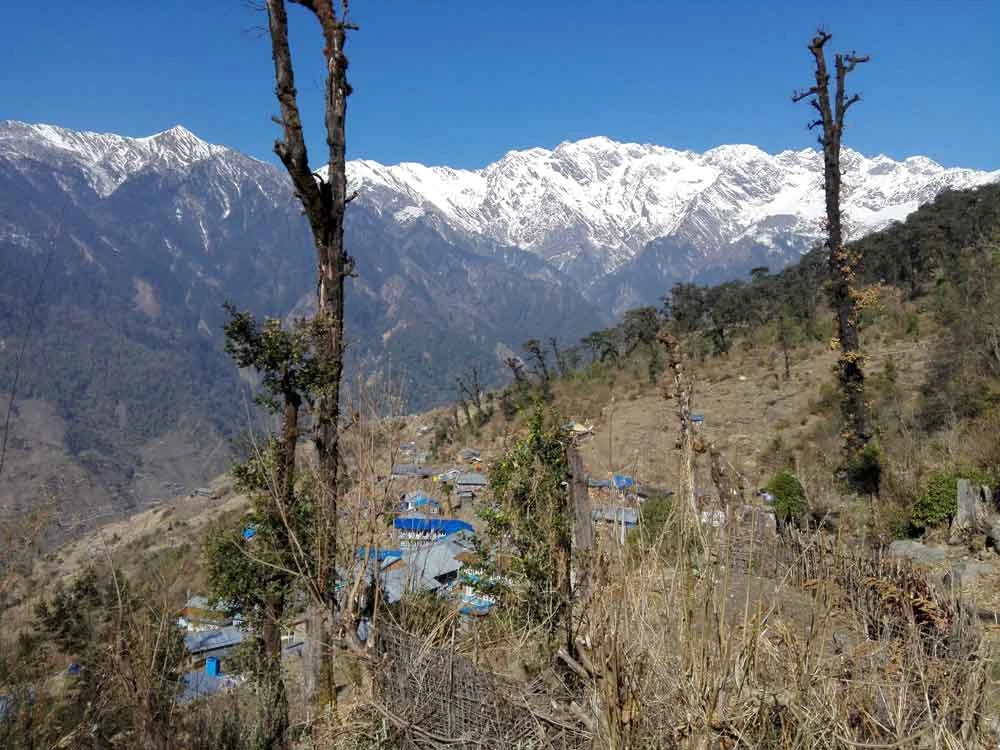
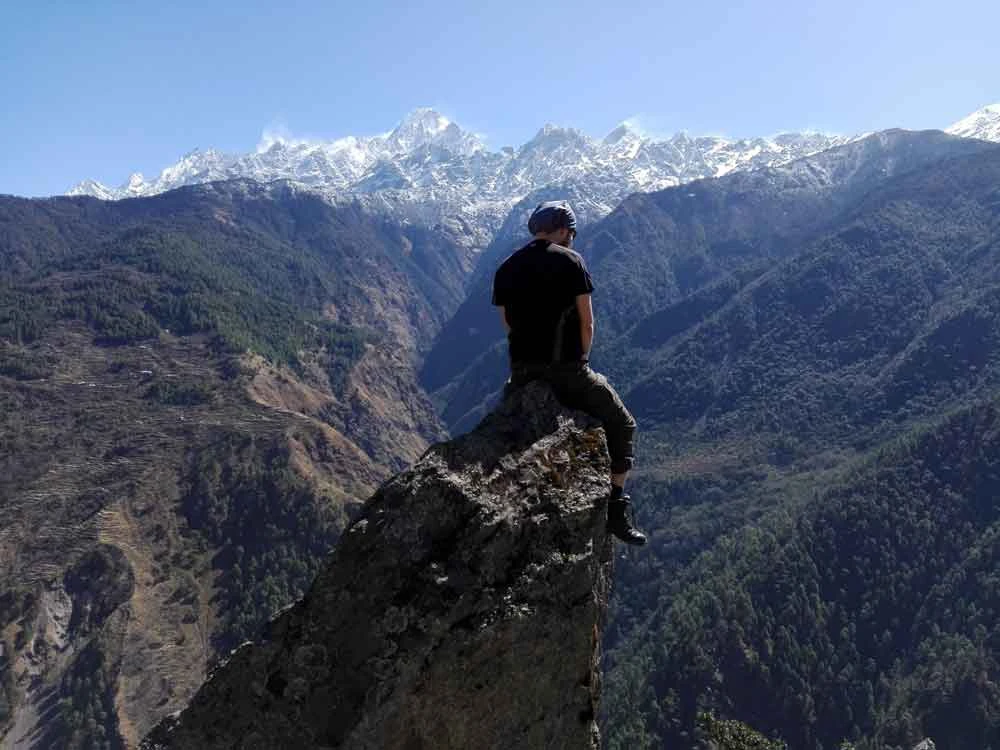
  • Spectacular Himalayan views of Langtang and surrounding peaks
  • Authentic Tamang villages and traditional Himalayan lifestyles
  •  Buddhist culture and heritage through monasteries, stupas, and prayer walls
  • Beautiful landscapes featuring forests, rivers, waterfalls, and alpine meadows
  • Langtang National Park, home to diverse Himalayan flora and wildlife
  • Adventure at high altitude, including the optional Tserku Ri viewpoint
  • Warm local hospitality and meaningful cultural encounters

Langtang Tamang Heritage Trek: Experience the Himalayas Beyond the Ordinary
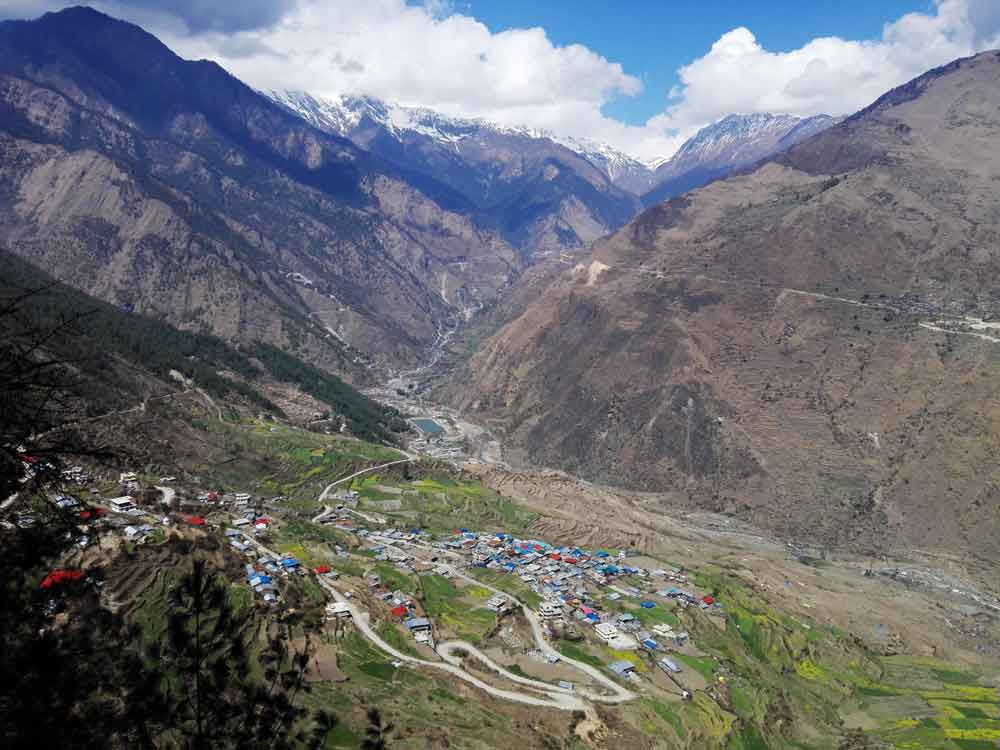
Gatlang

Step away from Nepal’s crowded trekking trails and journey into the heart of the Langtang region, where snow-capped Himalayan peaks, peaceful mountain villages, ancient Buddhist traditions, and warm Tamang hospitality come together to create an unforgettable experience.

The Langtang Tamang Heritage Trek is more than a trek—it is an opportunity to discover the authentic side of the Himalayas while experiencing the rich culture, traditions, and everyday lifestyle of the Tamang people.

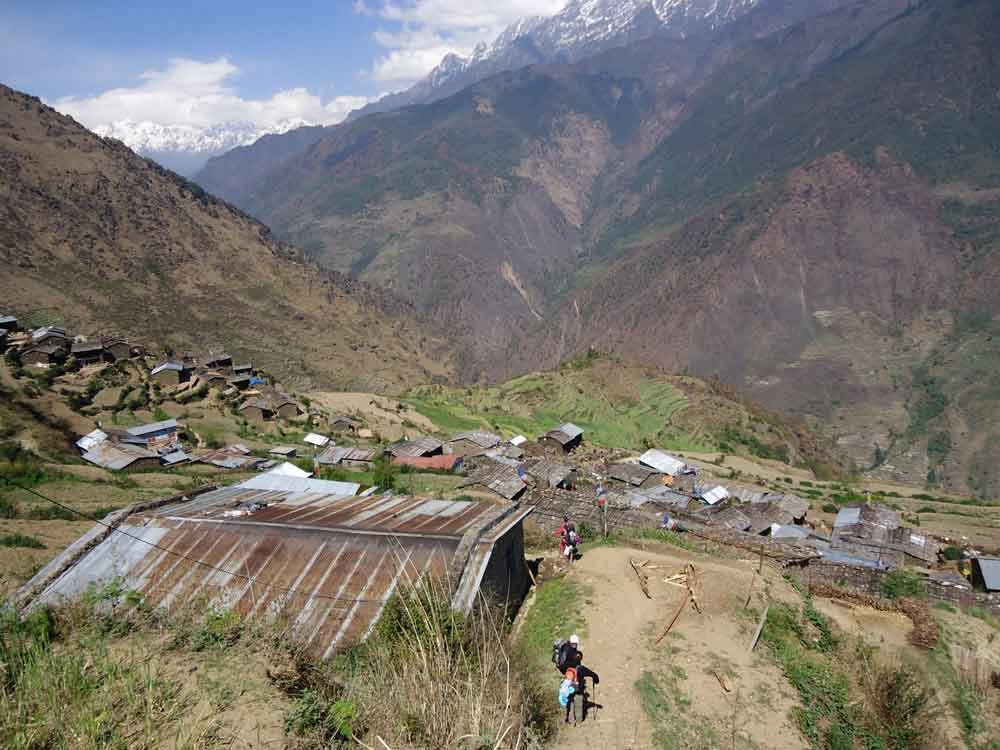
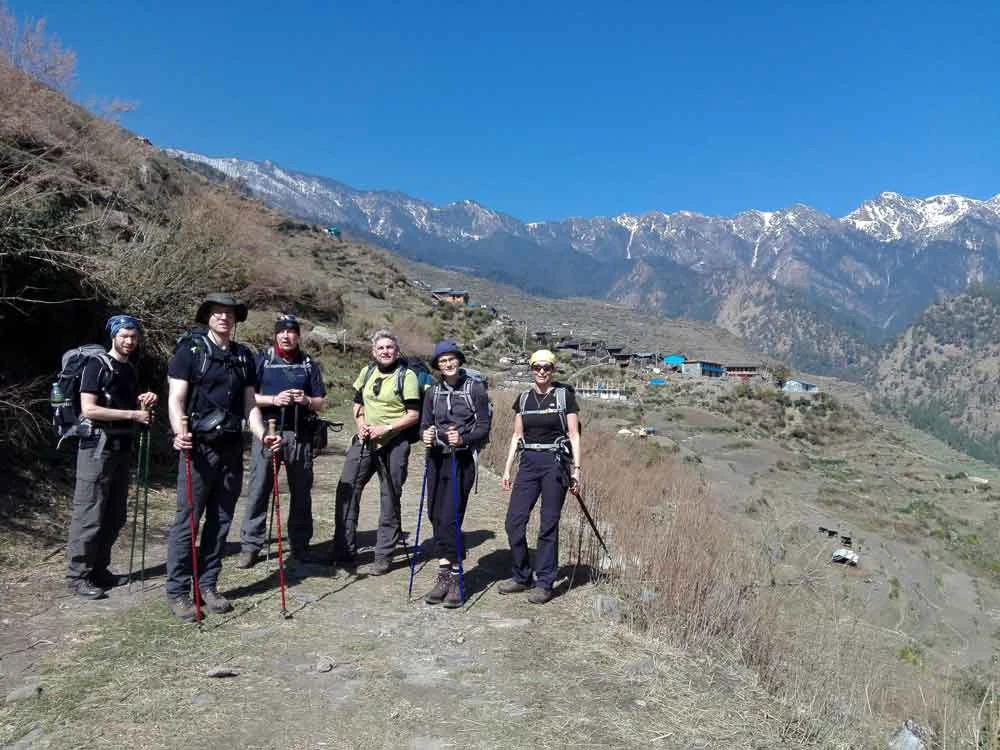
The journey begins in Syabrubesi and winds through beautiful rhododendron and pine forests, traditional mountain settlements, terraced fields, and peaceful Himalayan landscapes. Along the way, you will discover culturally rich villages such as Gatlang, Chilime, Tatopani, Thuman, Nagthali, and Briddim, each offering a unique insight into Tamang culture and mountain life.

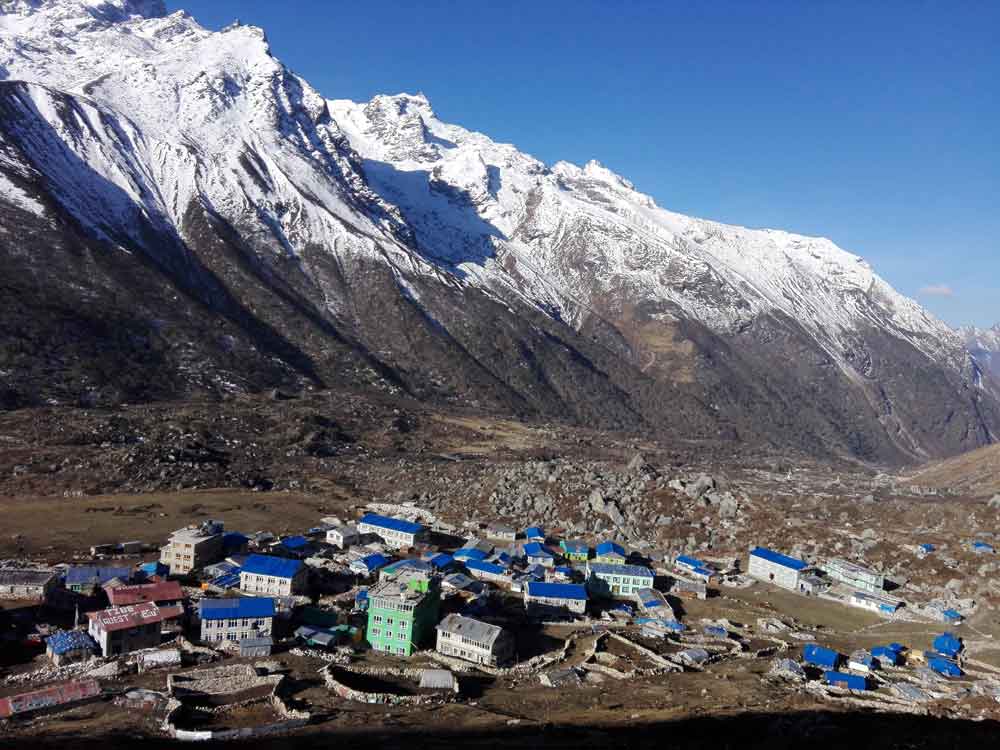
The trail also connects with the spectacular Langtang Valley, leading toward Kyanjin Gompa, one of the region’s most important Buddhist settlements. Surrounded by snow-capped peaks, alpine meadows, glaciers, yak pastures, and dramatic mountain scenery, the Langtang Valley provides some of the trek’s most memorable Himalayan landscapes.

For those seeking an additional adventure, the optional climb to Tserku Ri (5,030 m) offers breathtaking panoramic views across the Langtang Himalayas. The high-altitude viewpoint provides an unforgettable perspective of the surrounding mountains, glaciers, and expansive alpine terrain.

Discover the Tamang Heritage and Culture
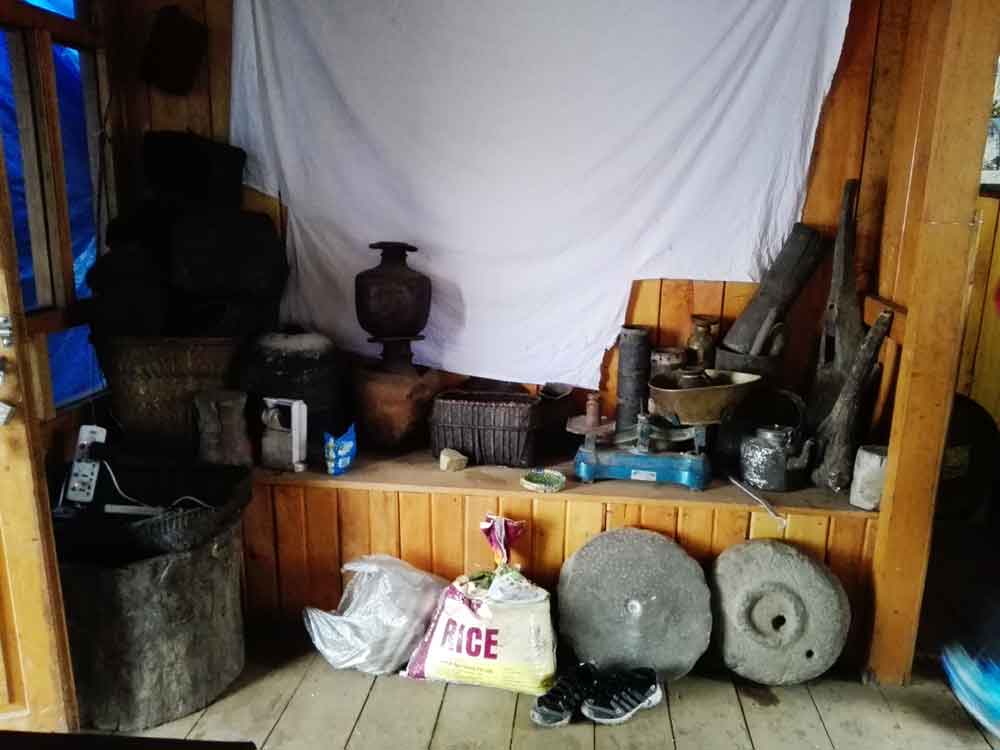
Heritage

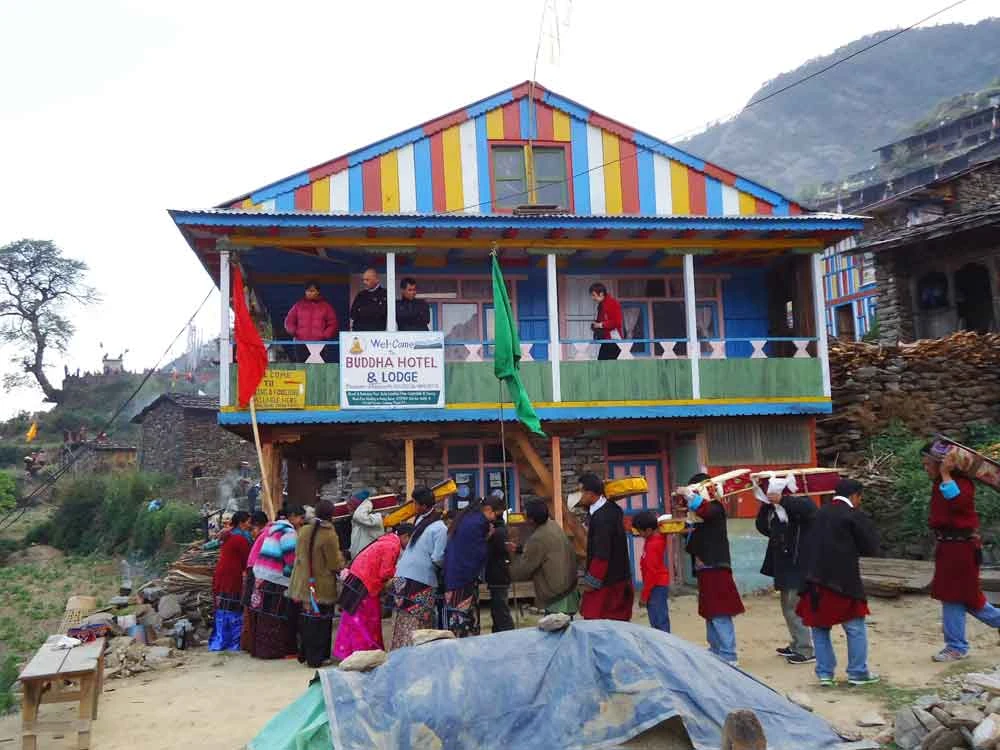
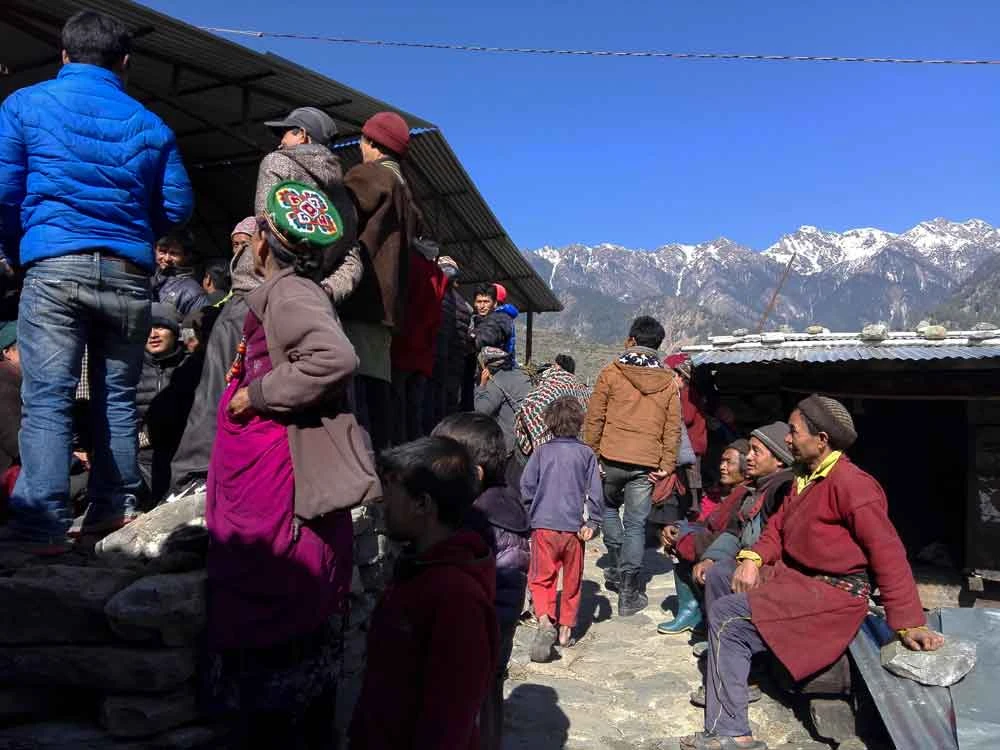
Beyond its spectacular natural beauty, the trek provides a unique opportunity to experience the rich heritage and traditional lifestyle of the Tamang people, one of Nepal’s indigenous communities with deep cultural and historical connections to Tibet.

Historically, Tamang communities were involved in trans-Himalayan trade, traveling between Nepal and Tibet and participating in the exchange of goods such as Tibetan salt and grains. Their distinctive identity is reflected in their language, traditions, customs, music, architecture, and Buddhist practices, many of which remain an important part of daily life in the region.

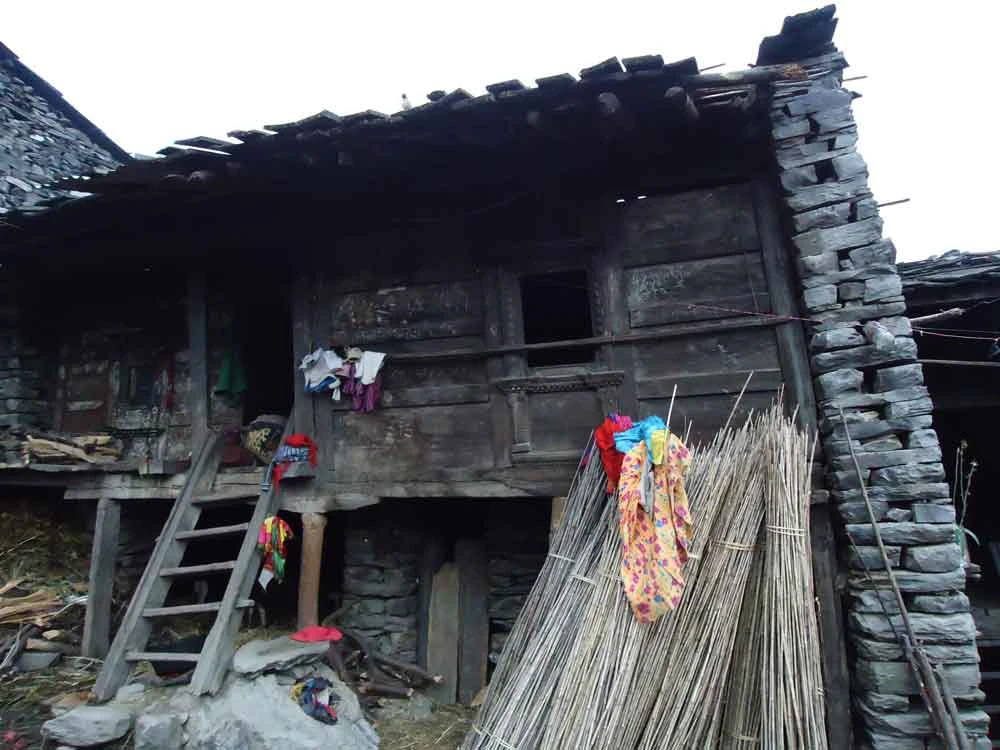
The traditional Tamang villages along the route offer an authentic cultural experience. Visitors can explore stone-built houses, traditional village architecture, Buddhist monasteries, prayer flags, chortens, and local shrines, while witnessing community traditions and ceremonies. Traditional music, including performances featuring the Tungna, adds another dimension to the cultural experience.

Most importantly, the warm and genuine hospitality of the local people makes the journey particularly memorable. Staying in or visiting traditional villages allows trekkers to connect with local communities and experience a way of life shaped by the mountains and generations of cultural heritage.

Spectacular Views toward Tibet

Taruche

One of the unique highlights of the trek is the Taruche viewpoint, which offers expansive views toward the Tibetan Plateau, including the landscape around Kerung. From this elevated viewpoint, trekkers can appreciate the dramatic geography extending across the Nepal–Tibet border region.

The combination of Himalayan peaks, deep valleys, forests, traditional villages, and distant Tibetan landscapes makes this viewpoint one of the most rewarding experiences of the trek.

A Journey of Resilience and Community

The Langtang and Tamang Heritage region was severely affected by the 2015 earthquake, which caused extensive damage to homes, villages, infrastructure, and local livelihoods. Since then, communities across the region have worked to rebuild and restore their homes, tourism facilities, and traditional way of life.

Today, trekking in the Tamang Heritage region is not only a journey of exploration but also an opportunity to support local communities through responsible and sustainable tourism. By staying in local lodges and homestays, enjoying locally produced food and services, and engaging with community-based tourism initiatives, visitors can contribute directly to local livelihoods.

Experience the Himalayas beyond the Ordinary

The Langtang Tamang Heritage Trek brings together everything that makes a Himalayan journey special—spectacular mountain scenery, peaceful forests, traditional villages, Buddhist heritage, Tamang culture, warm hospitality, high-altitude adventure, and breathtaking views toward Tibet.

For travelers seeking more than just mountain scenery, this trek offers a deeper connection with the people, culture, history, and landscapes of the Langtang Himalayas. It is a journey where every trail tells a story, every village reveals a tradition, and every Mountain View becomes a lasting memory

Ghatlang

Best Time to Trek into the Langtang Valley and the Tamang Heritage

The Langtang Tamang Heritage route can be trekked year-round, but the spring (March to May) and autumn (September to January) seasons offer the best conditions:

Autumn (September - November): Widely considered the best time. The weather is generally stable, with clear skies, comfortable temperatures, and excellent mountain views. Trails are not dusty, and the nights are clear for stargazing.

Spring (March - May): Another excellent period. You'll witness blooming rhododendrons all around the Himalayan forests and other wildflowers, and it has pleasant temperatures and good visibility.

Winter (December - February): It is possible to trek around this area. There will be clear skies, good visibility, and fewer trekkers. Warm gear is necessary for the Morning and for the night.

Monsoon (June-August): We do not recommend this trek due to heavy rainfall, muddy and slippery trails, leeches in the grass, flooded streams, limited visibility, and the risk of landslides. It can also be blocked by landslides.

Difficulty

  • The Langtang Valley Tamang Heritage Trek is generally a moderate trek involving daily 5-7 hours of walking.
  • There are gradual ascents and descents, with some steep and rocky sections, especially as you approach higher altitudes like Kyanjin Gompa and Tsergo Ri (5030 Meters)
  • Proper trekking experience is not required, but fitness for walking, stamina, and mental preparedness are essential.
Itinerary

After your breakfast, drive to the bus station and then drive to Shyabrubesi by overland drive, it may take about 7/8 hours; however, while driving, you will see many different landscapes, cultures, and traditions, and will experience Nepalese culture and life closely.

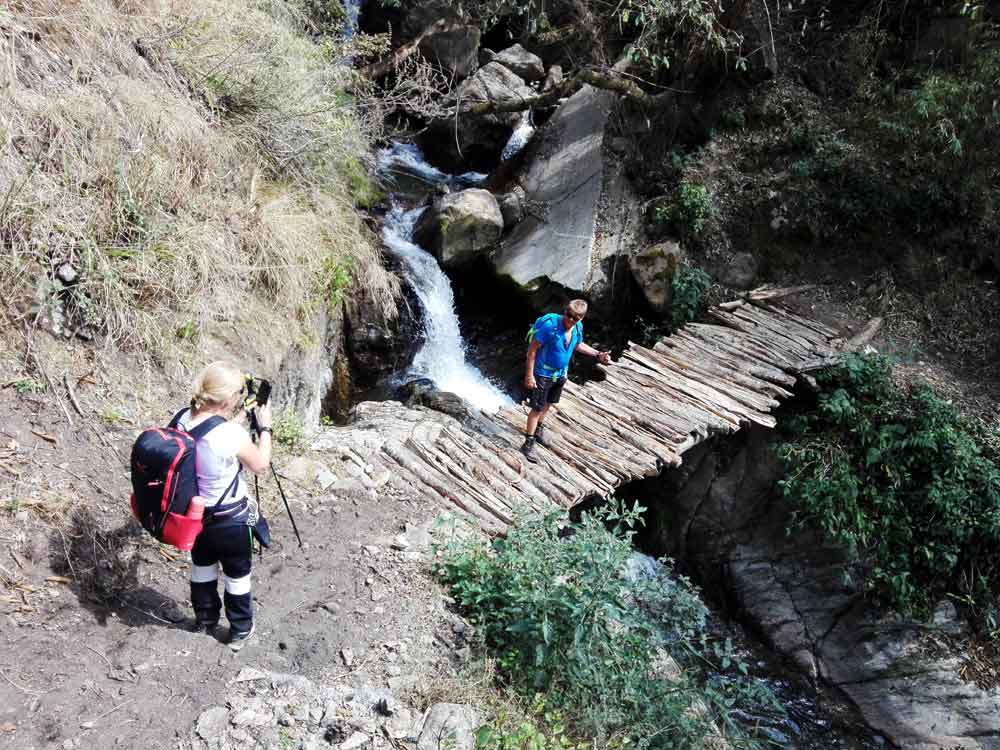
After morning breakfast, follow the Langtang river bank with a spectacular view of the Jungle, river, and local culture. Lunch in Bamboo on the way, you also see the wild bee hive on the other side of the River.

forest

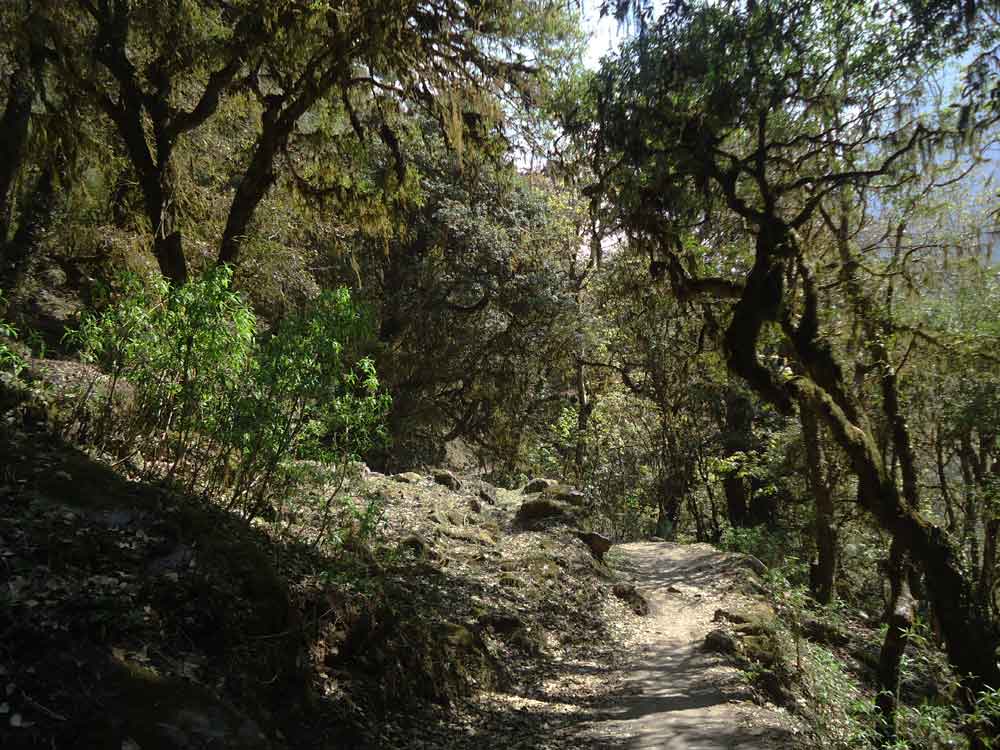
Following the gradual way up from the pine forest, oak, rhododendron, and many other floras with Shy Mountain Langtang two, in front, and tremendously beautiful natural view around you make the day important. 

kyanjing

Having a panoramic view of Mt. Langtang and other natural diversities makes your day more interesting and exciting. After a nice breakfast, the way starts easy uphill to Kyangjing Gomba by following the Langtang Valley.  You arrive in Kyanjing by lunch and take a noon-time excursion around the cheese factory or glacier moraine.

A little earlier breakfast is better for today. Take your packed lunch and enough water for your final and important excursion to Tserku ri 5030mtr. Climbing up will be challenging however the views from the top will be lifetime unforgettable. 

Excursion

Descending continuously via Langtang village, Ghoda tabela, Riverside to Lamahotel through the Langtang river bank.

Walking in through he pine forest, narrow hilly pass to Sherpa gaun and Khangjim village. The trail goes through terraced fields where local people cultivate mostly potatoes, barley, and wheat. The trail is very scenic until you arrive at a big ancient village, Briddim. Overnight at a good hotel

briddim

Follow the trail descending via a small, beautiful Tibetan-looking village to Riverside. Cross a mysterious suspension bridge and steadily climb through the pine forest up to Thuman village. Make an excursion around Thuman and start your trek toward Nagthali. We recommend Nagthali Danda for overnight because of the beauties of paradise, but climbing from Riverside to the hotel is strongly demanding climbing for the day.

nagthali


Gatlang

The trail is mostly relaxing today via he terraced field, Chilime Hydropower Center, and the trail up to the river stream valley to Ghatlang. A gradual hike through the beautiful forest leads you to a long, spread-out terraced field with plenty of Old Maane and Stupas. Rough roads have been expanded in this field that had shortened the zigzag trail; however, you can see so many old standing stupas alongside. The Stupas and Maane wall side was a former major passing trail around this area.

Gatlang to Shyabrubesi is quite easy ek along the rough road. Walking through the joyful jungle to Goljung bhanja is so amazing. From Goljung Bhanjyang, we descend until we arrive at the hotel. You have free time, and evening will be a farewell dinner.

deurali

Cost Details

The cost of the Langtang Valley Tamang Heritage Trek varies significantly based on those factors:

  • Group size: Larger groups often lead to lower per-person costs.

  • Services included: Full-package treks with guides/porters, all meals, and accommodation.

  • Transportation: Public buses or private jeeps. (Kathmandu-Syabrubesi-Kathmandu) USD 10-15 by public bus (one way) or USD 165-230 for a private jeep (per vehicle).

What's included
  • International airport pickup with private vehicle
  • 2 nights deluxe room in Kathmandu on BB planning (3 stars hotel in Thamel) before the trek
  • Private comfort transportation to Shyabrubesi and back to Kathmandu ( Public transport is very boring) 
  • Local kneed and clean accommodation during trekking
  • 3 times meals (breakfast, Lunch, and Dinner) during the trek
  • Professional guides and porters including their wages
  • Staff trekking insurance
  • Transportation charge for your trekking crews
  • All necessary permits for the Langtang trek 
  • 2 nights deluxe room in Kathmandu on BB planning ( 3 stars hotel in Thamel) after the trek
  • Farewell dinner
  • Airport drop with private vehicle
What's not included
  • Your International airfare
  • Your Personal travel insurance and Nepal entry visa fee
  • Extra night accommodation, lunch, and dinner in Kathmandu
  • Entrance fees, guides wages, and transportation for sightseeing in Kathmandu
  • Tips for your trekking staff
  • Your personal health insurance and expenses
  • Helicopter price in case you need to be evacuated
  • Drinks like alcohol, Coke, Fanta, mineral water, can juice, mars, bars, (all kinds of bottled drinks and packet cereals)
  • Warm water or tea in your drinking bottle
Useful Info

Required Physical Fitness

The Langtang Tamang Heritage Trek is considered a moderate trek and does not require advanced mountaineering skills. However, a good level of physical fitness is important because you will be walking for several hours each day on uneven, rocky, and sometimes steep mountain trails.

Trekkers should be comfortable walking approximately 5–7 hours per day, including uphill and downhill sections. The higher elevations, particularly around Kyanjin Gompa and Tserku Ri (5,030 m), require additional stamina and proper acclimatization.

Recommendation of fitness

  1. Good cardiovascular endurance for long days of walking.
  2. Strong legs and core for uphill and downhill trails.
  3. Ability to walk on uneven terrain for several consecutive days.
  4. Good stamina for gradual altitude gain.
  5. Mental resilience to handle changing weather, basic facilities, and long trekking days.
  6. Previous high-altitude trekking experience is helpful but not essential

Safe Drinking water:

Drinking water is generally available at teahouses, lodges, villages, and local water sources along the trekking route. However, trekkers should not drink untreated stream, spring, or tap water directly, as it may contain bacteria or other contaminants.

Safe Drinking Water Options

  • Carry a reusable water bottle or hydration bladder.
  • Use water purification tablets or a suitable water filter when filling from natural sources.
  • You can ask teahouses for boiled drinking water.
  • Carry enough water during longer or more remote sections of the trail.
  • Avoid relying entirely on bottled water; using a reusable bottle helps reduce plastic waste in the Himalayas.

Altitude Sickness and Prevention

Altitude sickness, also known as Acute Mountain Sickness (AMS), can affect anyone traveling to high elevations, regardless of age or physical fitness. Being physically fit does not eliminate the risk of altitude sickness. Proper acclimatization, drinking enough liquid, and slower ascent reduce the risk.

Common Symptoms

Mild altitude sickness may cause:

  • Headache
  • Dizziness or light-headedness
  • Nausea or loss of appetite
  • Unusual tiredness or weakness
  • Difficulty sleeping
  • Shortness of breath during activity

Prevention of Altitude Sickness

  • Ascend gradually: Allow your body enough time to adjust to increasing altitude.
  • Stay hydrated: Drink plenty of water throughout the day, but avoid excessive amounts.
  • Take acclimatization days: Follow the itinerary rather than rushing to higher elevations.
  • Walk at a comfortable pace: Avoid overexertion, especially after gaining altitude.
  • Eat regularly: Maintain adequate energy intake even when your appetite decreases.
  • Avoid alcohol and smoking at high altitude.
  • Listen to your body: Do not ignore worsening symptoms.
  • Descend if symptoms become severe: Worsening symptoms can indicate a serious altitude-related illness and require immediate descent and medical attention.

Clothing and Accessories for Langtang Tamang Heritage Trek

The Langtang Tamang Heritage Trek passes through different elevations and weather conditions, so dressing in layers is the best approach. Temperatures can change quickly, particularly at higher elevations and around Kyanjin Gompa and Tserku Ri.

Essential Clothing

  • Moisture-wicking base layers – Keep your body dry during long walking days.
  • Fleece or warm mid-layer – Provides insulation in colder conditions.
  • Down or insulated jacket – Essential for cold mornings, evenings, and higher elevations.
  • Waterproof and windproof jacket – Protects against rain, snow, and strong mountain winds.
  • Trekking trousers – Comfortable and quick-drying.
  • Thermal underwear – Particularly useful during colder seasons.
  • Warm trekking socks – Carry several pairs and keep at least one dry pair available.
  • Warm hat and sun hat/cap – Protection from both cold and strong sunlight.
  • Lightweight gloves and insulated gloves – Useful as temperatures drop.
  • Comfortable trekking boots – Broken-in, supportive, and preferably waterproof.
  • Lightweight shoes or sandals – Useful for relaxing at the teahouse after trekking.

Essential Accessories

  • Duffel bag for your main trekking gear (we provide you with a comfortable and high-quality complementary duffle bag)
  • Sunglasses with UV protection to protect your eyes from intense Himalayan sunlight.
  • Sunscreen and lip balm with SPF to protect exposed skin.
  • Headlamp or torch with spare batteries.
  • Water bottle or hydration bladder for staying hydrated.
  • Water purification tablets or a portable filter for treating water when necessary.
  • Trekking poles for additional stability on steep and uneven trails.
  • Sleeping bag suitable for the expected temperatures.
  • Rain cover for your backpack.
  • Quick-dry towel and basic personal toiletries.
  • Power bank and charging cables for keeping electronic devices charged.
  • Small first-aid kit and personal medications.
  • Reusable bags for keeping wet or dirty clothes organized.

For the Tserku Ri Excursion

If you plan to climb Tserku Ri (5,030 m), bring extra warm layers, good gloves, a warm hat, quality sunglasses, and sturdy footwear. The temperature and wind can be significantly colder at the viewpoint.

Accommodation and Food

During the Langtang Tamang Heritage Trek, accommodation is generally provided in local teahouses, lodges, and community-based homestays. These are simple but comfortable, offering a warm and authentic experience of Himalayan village life. In traditional Tamang villages, staying with local families can also provide a closer look at their culture, lifestyle, and hospitality. Facilities become more basic as you gain altitude, but the welcoming atmosphere makes the experience memorable.

Food along the trail is a mix of traditional Nepali dishes and popular trekking fare. Dal bhat (rice, lentils, vegetables, and pickles) is a staple and provides plenty of energy for long trekking days. Teahouses also commonly serve noodles, soups, pasta, fried rice, potatoes, eggs, bread, and Tibetan-style dishes. Tea, coffee, and other hot drinks are widely available.

A typical trekking day starts with a nutritious breakfast, followed by lunch at a teahouse along the route and a warm dinner at the evening's accommodation. Local dishes and homemade food allow trekkers to experience the flavors of the Himalayas while supporting local families and communities.

Guide and porters: Hiring a guide and porter is highly recommended, especially for navigation and better organization in the Himalayas or the villages; cultural insights and language assistance help with emergencies. Trekkers may be neglected without a guide and porter in the remote Himalayas; by then, you get good care. Hiring a porter can significantly reduce your physical strain by carrying your main luggage, allowing you to enjoy the trek more. Typically, one porter can carry the bags of two trekkers (around 25 kg total).

Similar Packages