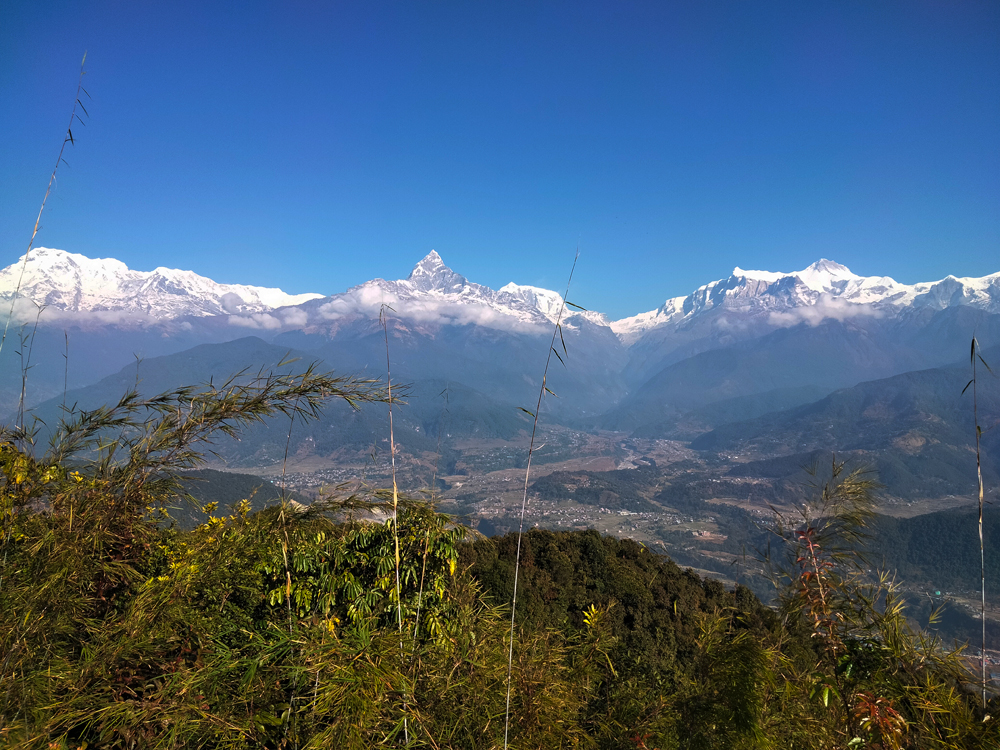
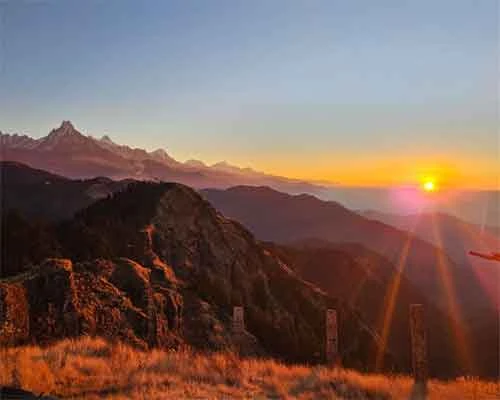
We go very early in the morning to the Sarangkot viewpoint for the best Sunrise. This viewpoint is known as the best viewpoint in the Annapurna Foothills trekking, also it spans 360-degree views of several snow-capped mountains, including the world's highest Mt. Dhaulagiri, Mt. Annapurna, to Mt. Manaslu. The massive high mountains are lining the Northern side, the beautiful landscape with tremendous meadow contours, hillocks, and the Seti River gorge is bedding by the Himalayas till valley at Phewa Lake.

You can visit the following sites (on a vehicle) in Pokhara.
WORLD PEACE PAGODA STUPA: The World Peace Pagoda can be seen on top of a hill on the southern fringe of Phewa Lake. It has four images of the Buddha facing the four directions. The dome-shaped pagoda is an impressive sight, and its hilltop location commands a great view. It is a great vantage point that offers spectacular views of Annapurna and Dhaulagiri, and Manaslu. Near the Peace Pagoda are Pumdi and Bumdi, two villages above Phewa Lake's southern rim for exceptional views of the mountains. They have the old-style oval-shaped, red clay houses.

INTERNATIONAL MOUNTAIN MUSEUM (IMM): The museum, situated 1.5 km south of Pokhara Airport at Rato Pairo, has on display historical documents, records, and chronicles on mountaineering. It has three main exhibition halls: Hall of the Great Himalaya, Hall of Fame, and the Hall of World Mountains. There is also a library, a prayer room, and an audio-visual room. The museum, managed by the Nepal Mountaineering Association, was established with the theme “Man, Mountain and Mountain activities around the world”.
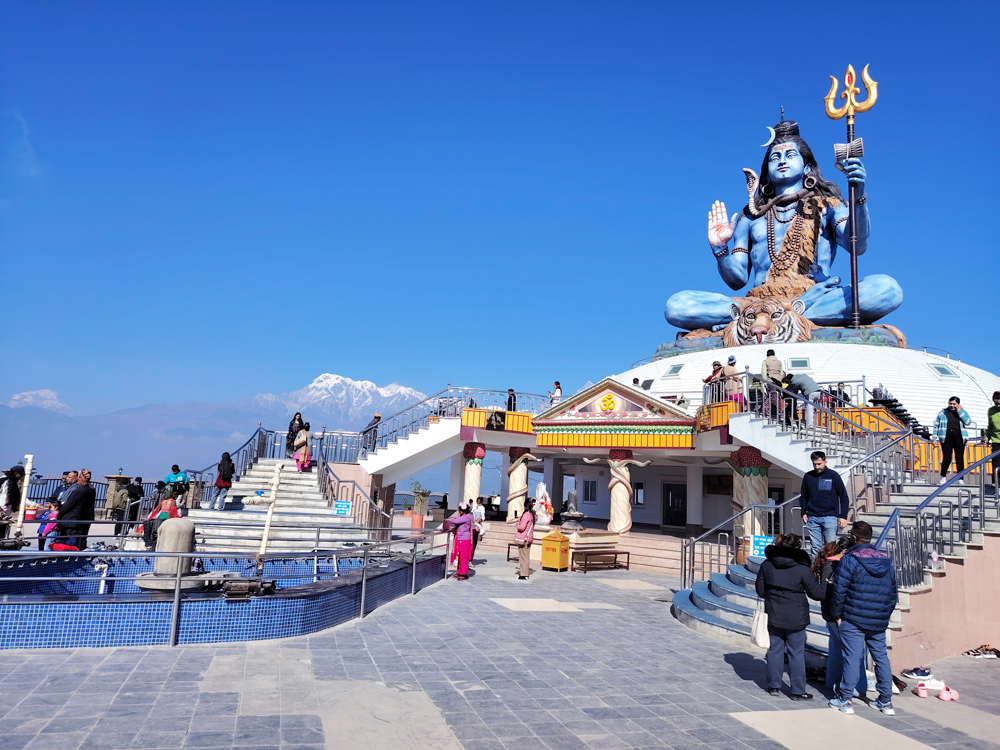
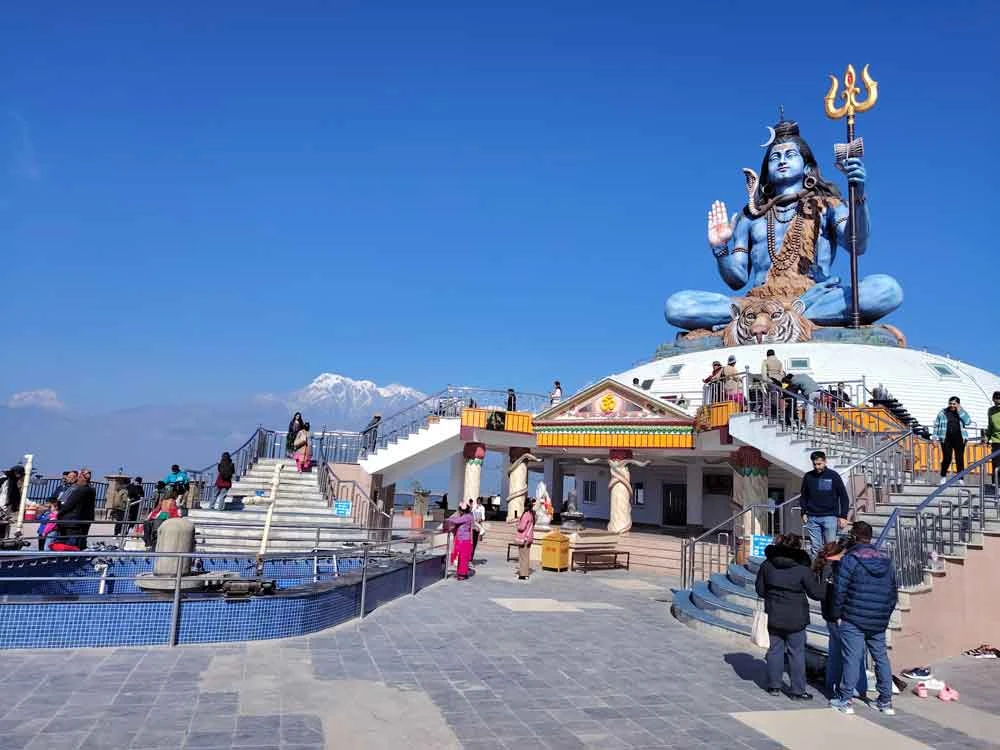
Shiva Temple
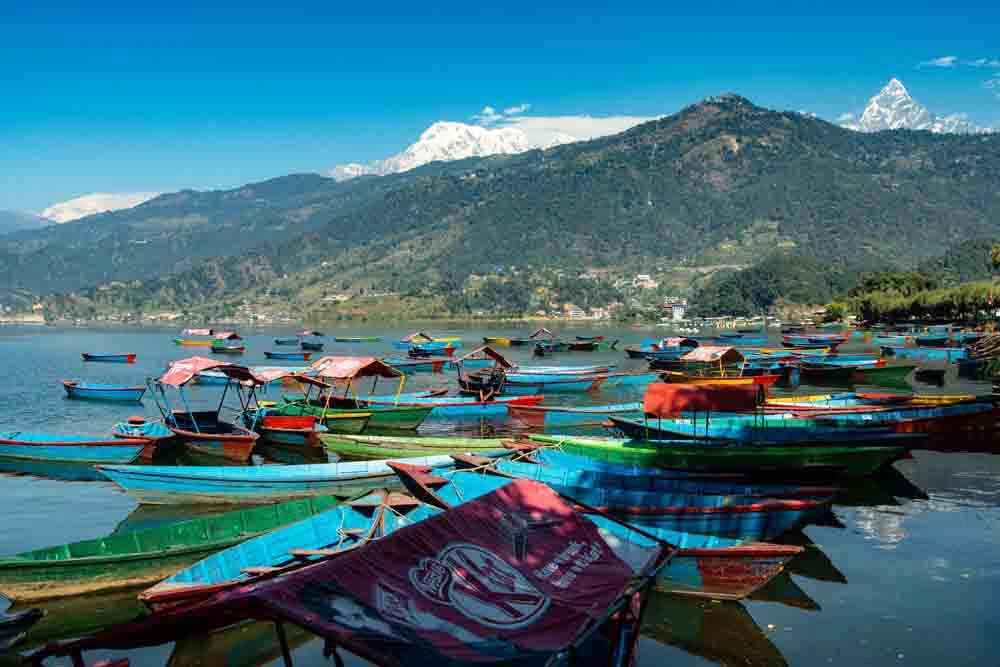
BARAHA TEMPLE: It is a small island temple in the Phewa Lake, which is very popular among Hindus
DAVI'S FALL: Locally known as the Patale Chhango (fall of the Netherworld), Davi’s fall is a ferocious waterfall located about 2 km southwest of Lakeside on the Siddhartha Highway. The source of the waterfall is Phewa Lake, and the fall itself is named after a Swiss lady who was swept away by the fall in 1961. The fall cuts through the rocks to create complex caves and tunnels on its path.

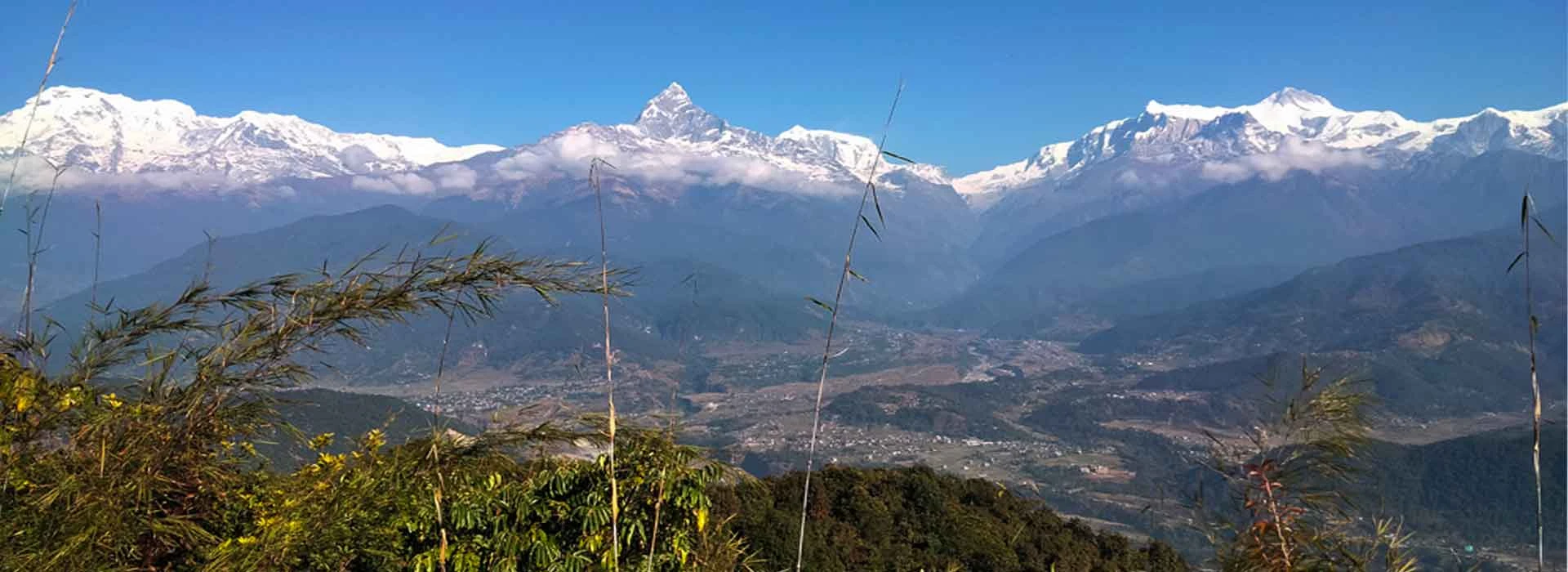
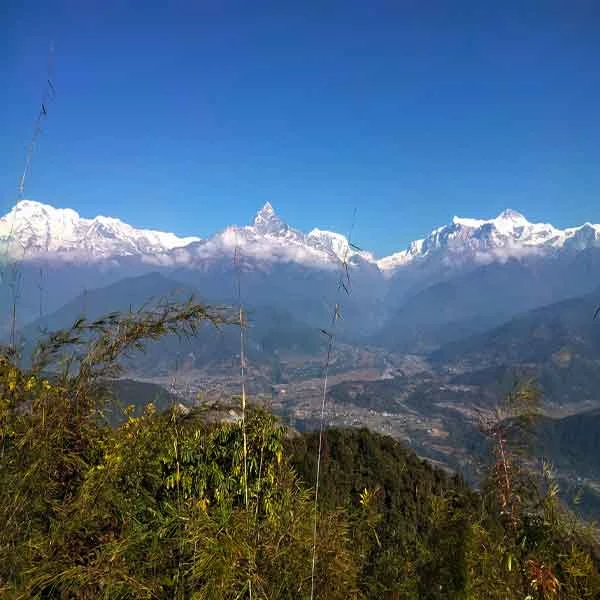

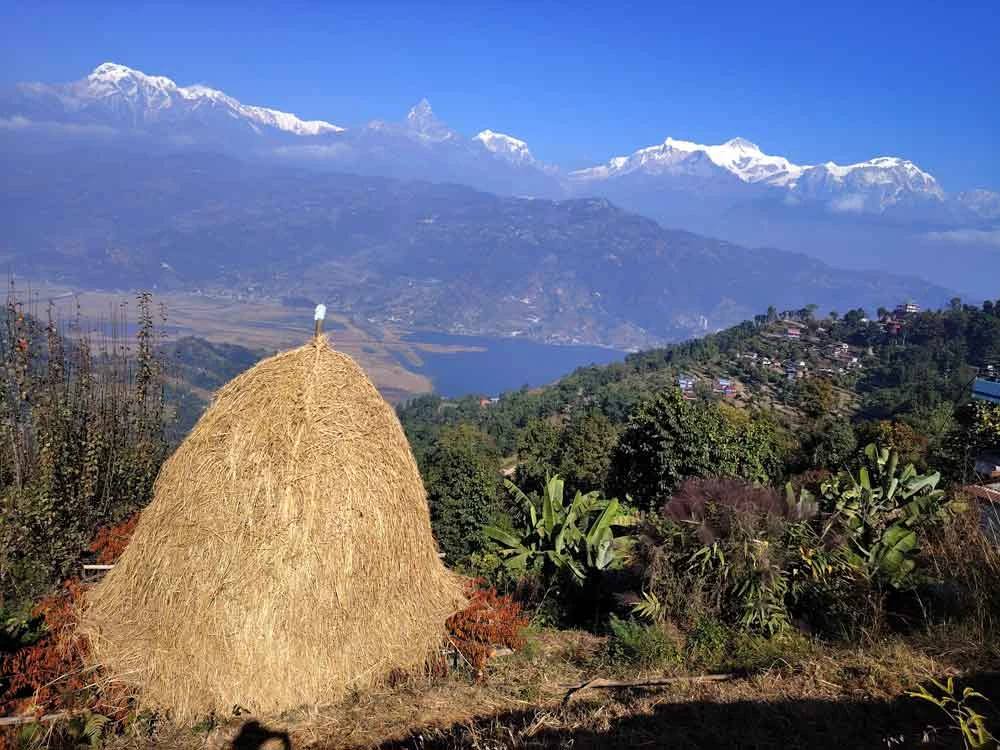
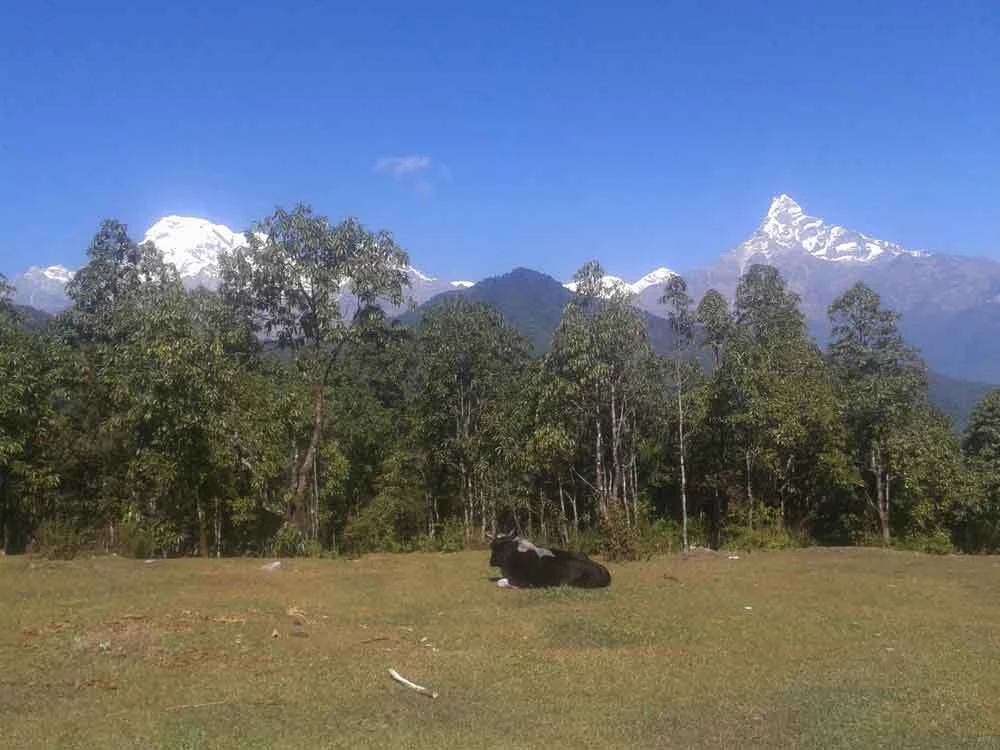
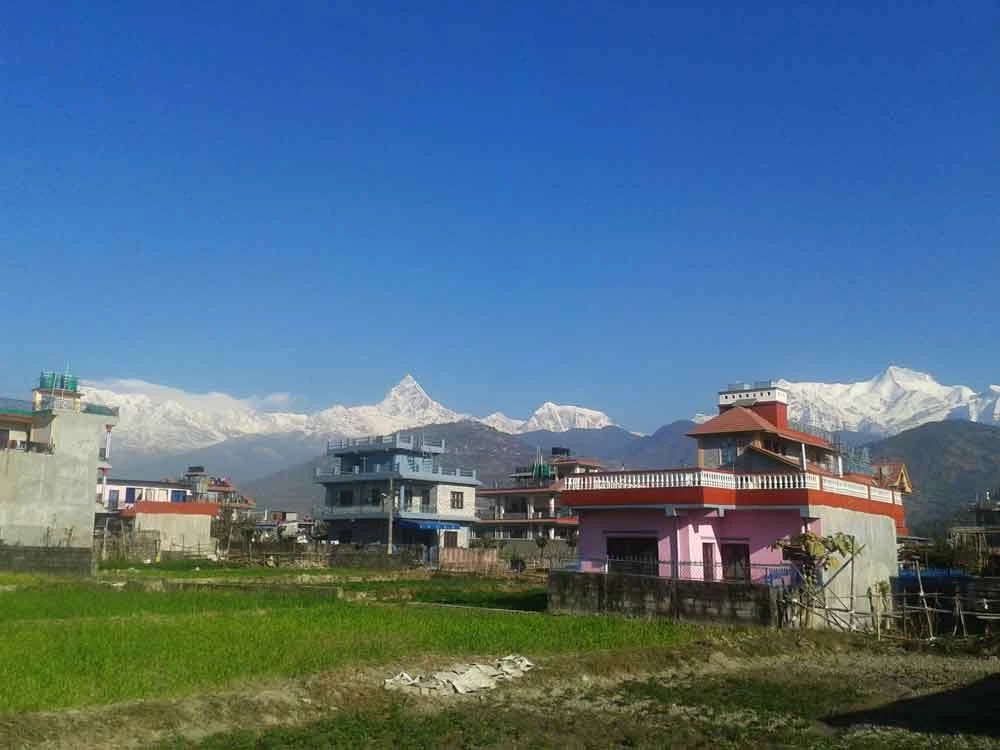
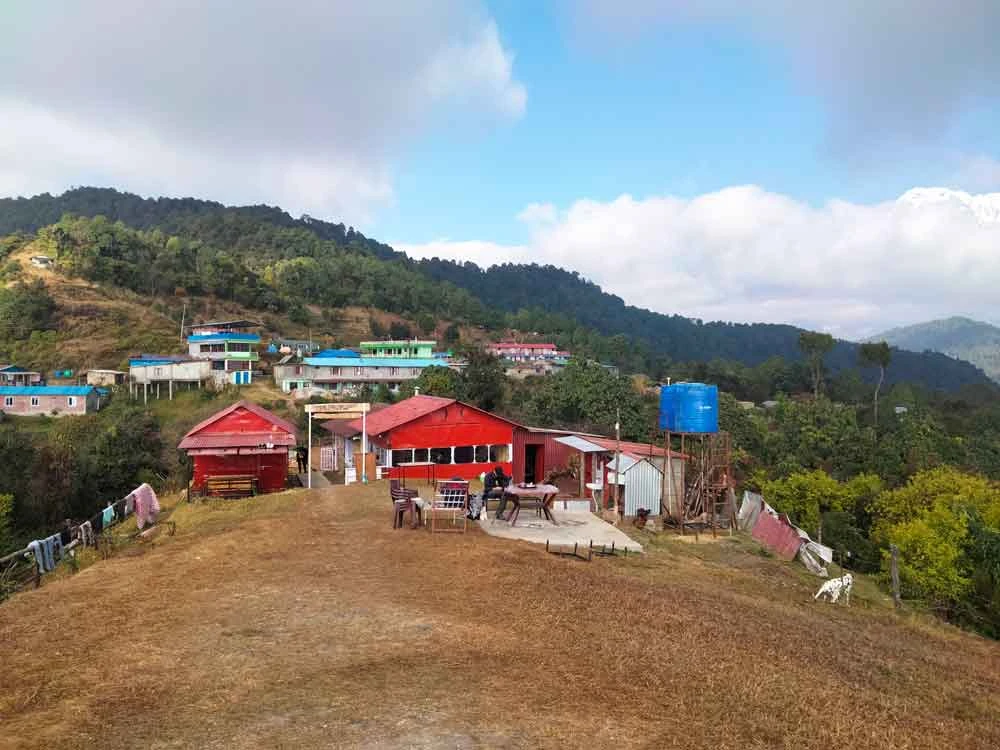
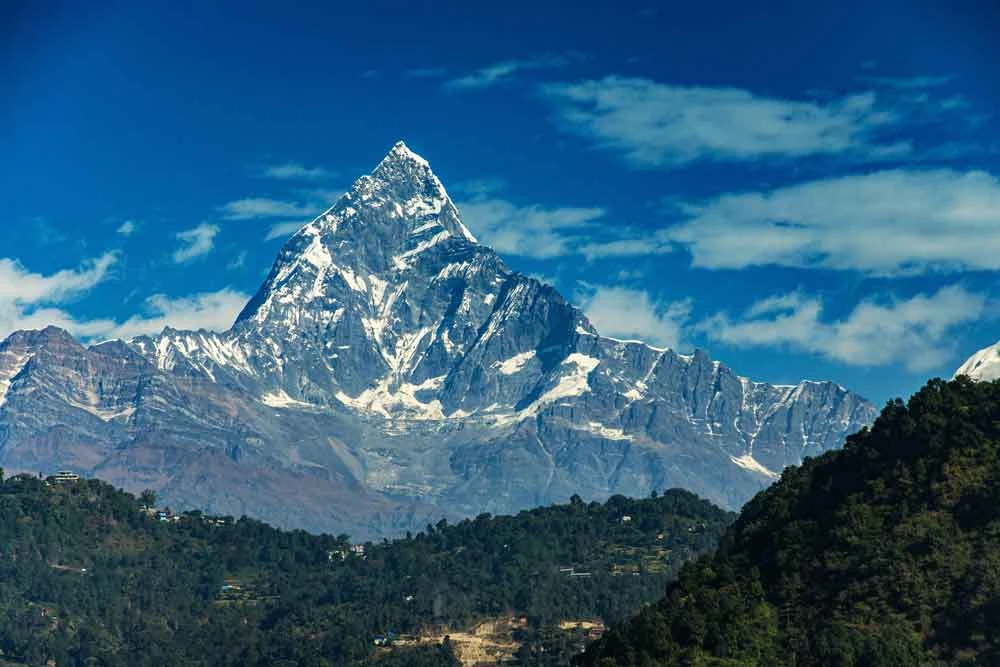
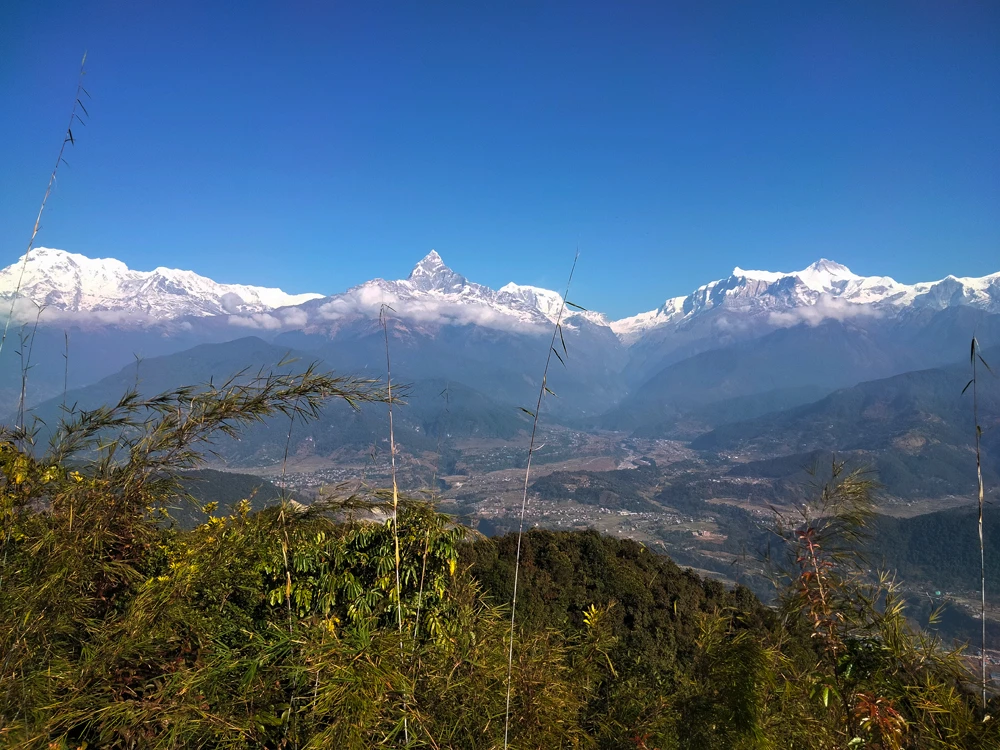
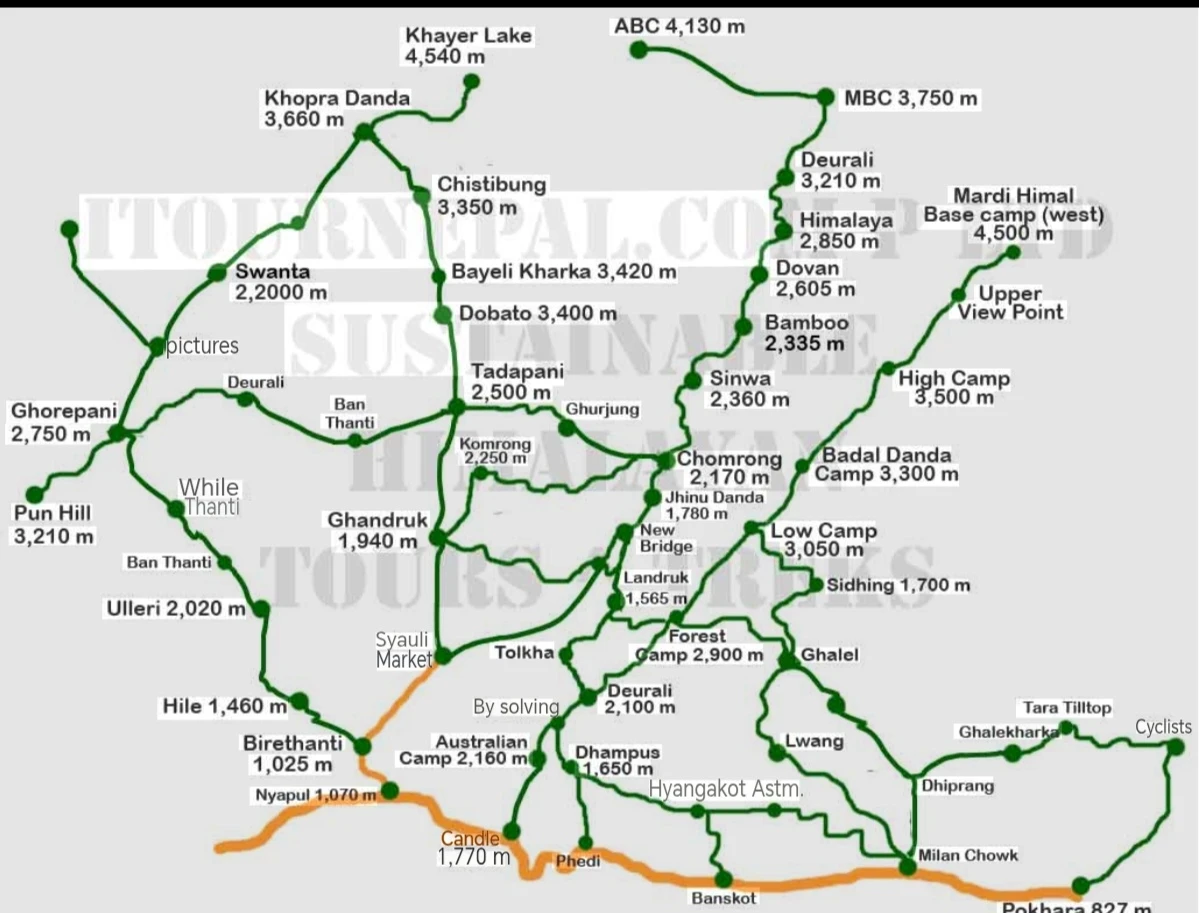
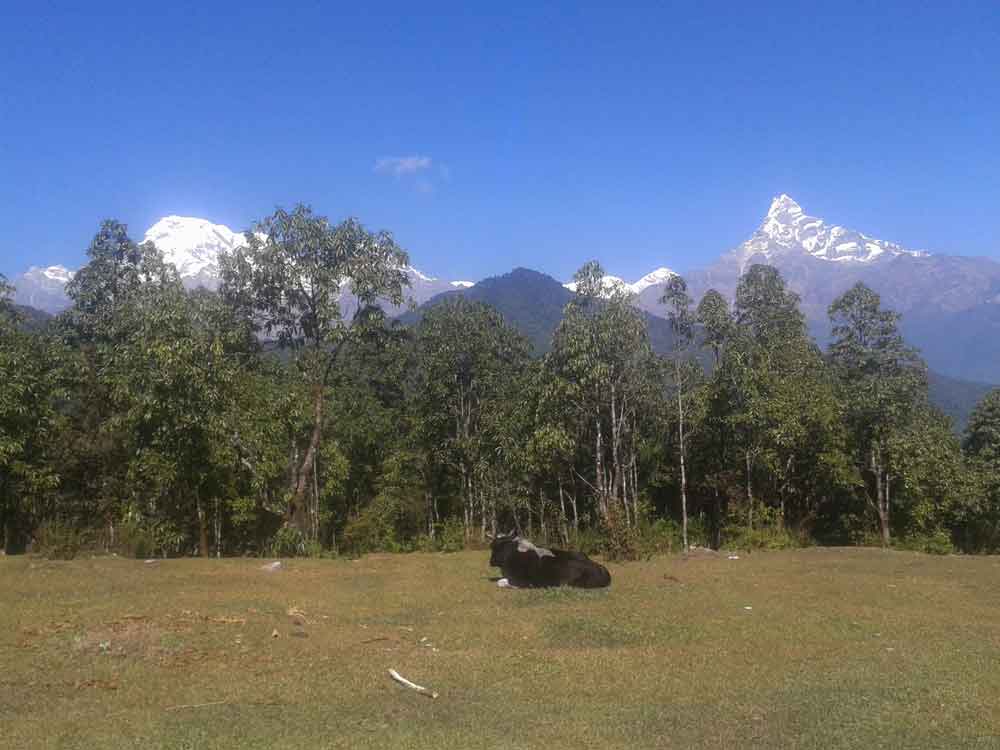 Drive to the domestic airport of Kathmandu for a morning flight (prior tfore The flight takes 35 minutes from Kathmandu to Pokhara. After landing, we again drive about 1.5 hours to the famous Dhampus village from Pokhara. The ancient trekking path prevails through Phedi to the Dhampus village, but it is almost abandoned because of a transportation facilities. Stop your vehicle near the public school and start trekking with beautiful views in the countryside. Dhampus is one of the popular Gurung villages that has a very unique Himalayan culture, traditions, and scenic landscape. Holy Mt. Fishtail, Annapurna South, and Annapurna I are perfectly visible from this place. If we arrive in time then we can trek ahead till Pothana otherwise you can spend overnight at the local lodge in Dhampus