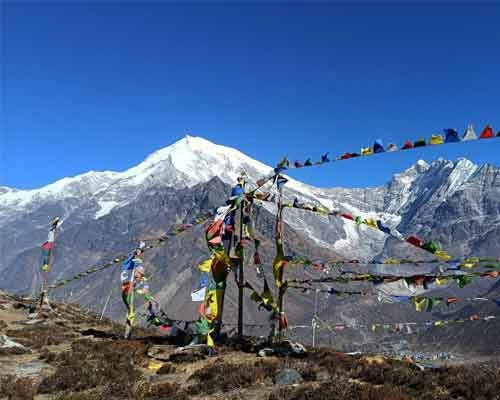
Langtang Gosaikund Pass Trek: 17 DaysLangtang Gosaikund Pass Trek: 17 Days

Langtang Gosaikund Pass Trek: 17 Days

1 review
  • Duration17 Days
  • DestinationNepal
  • Difficulty Moderate
  • Max Altitude 5030m
  • Activity Excursion
  • Group Size 1-15
  • Accommodation Comfortable Hotel in City and Lodges on Trek
  • Meals Breafast, Lunch, Dinner
  • Transportation Private vehicle
  • Starts Shyabrubesi
  • Ends Chisopani
  • Best Season March- May, September- Dec
Overview
Trip Highlights

Trek through the dramatic Langtang Valley and Langtang National Park.

Visit Kyanjin Gompa at around 3,870 m.

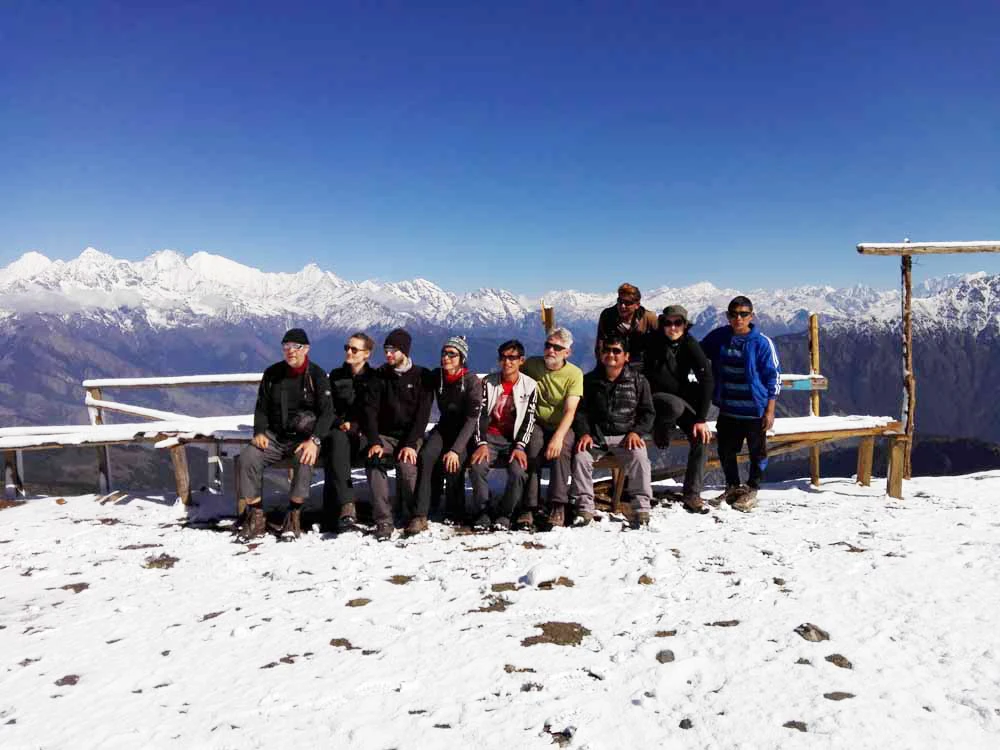
Optional climb of Tserko Ri (about 5,030 m) for panoramic Himalayan views.

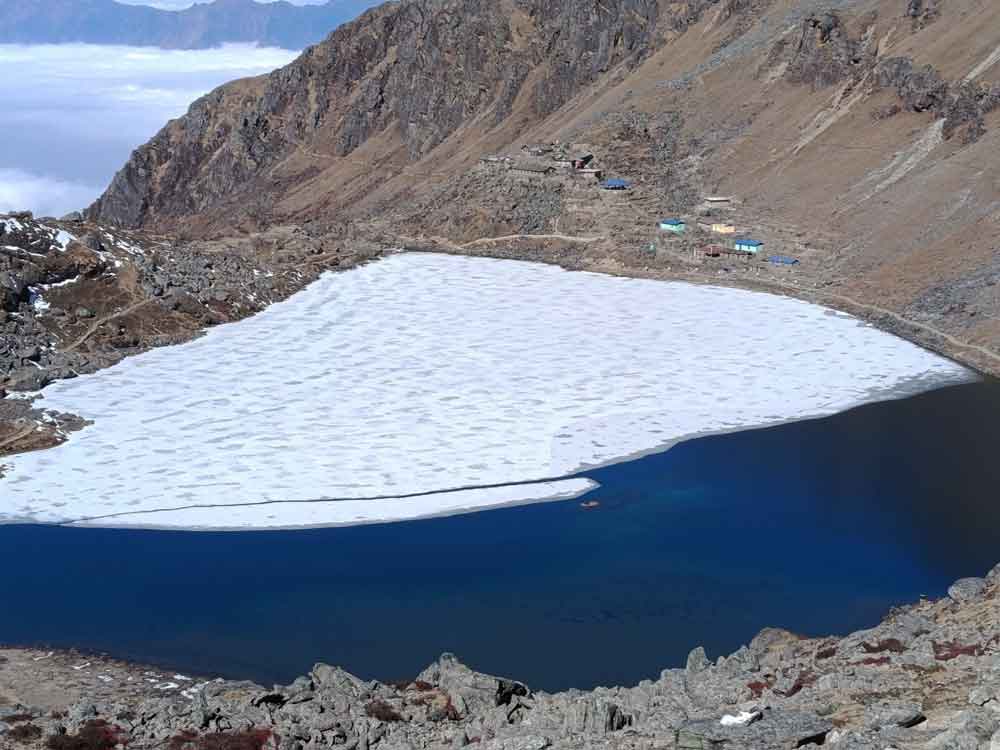
Explore the sacred Gosaikund Lake, important to both Hindu and Buddhist pilgrims.

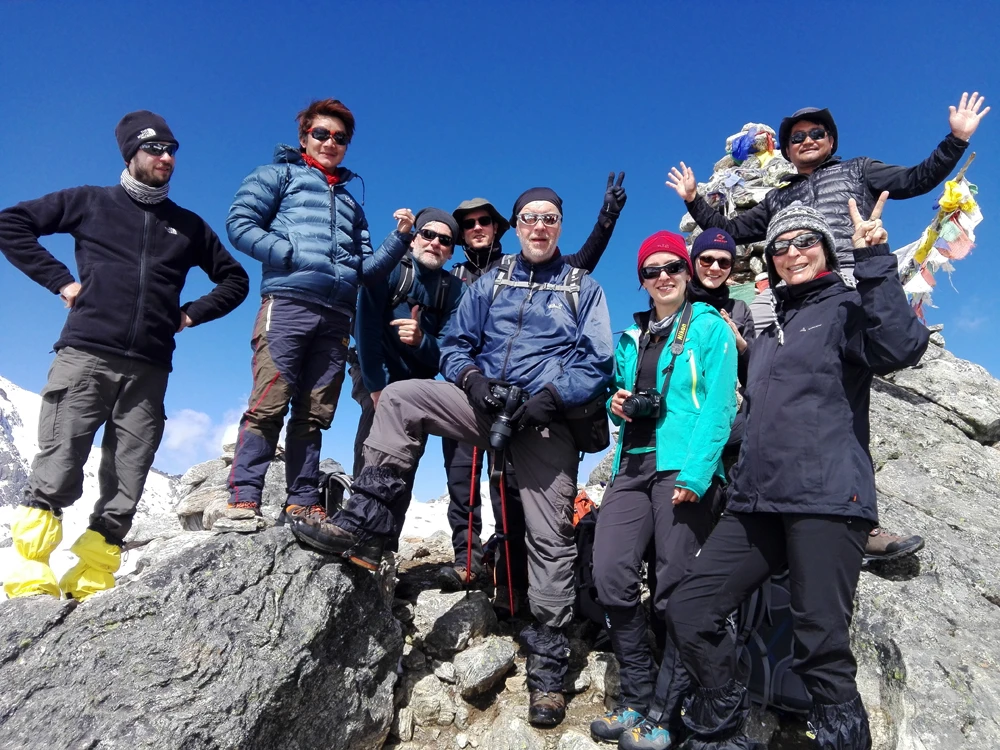
Cross Lauribina La at 4,610 m, the highest point of the main route.

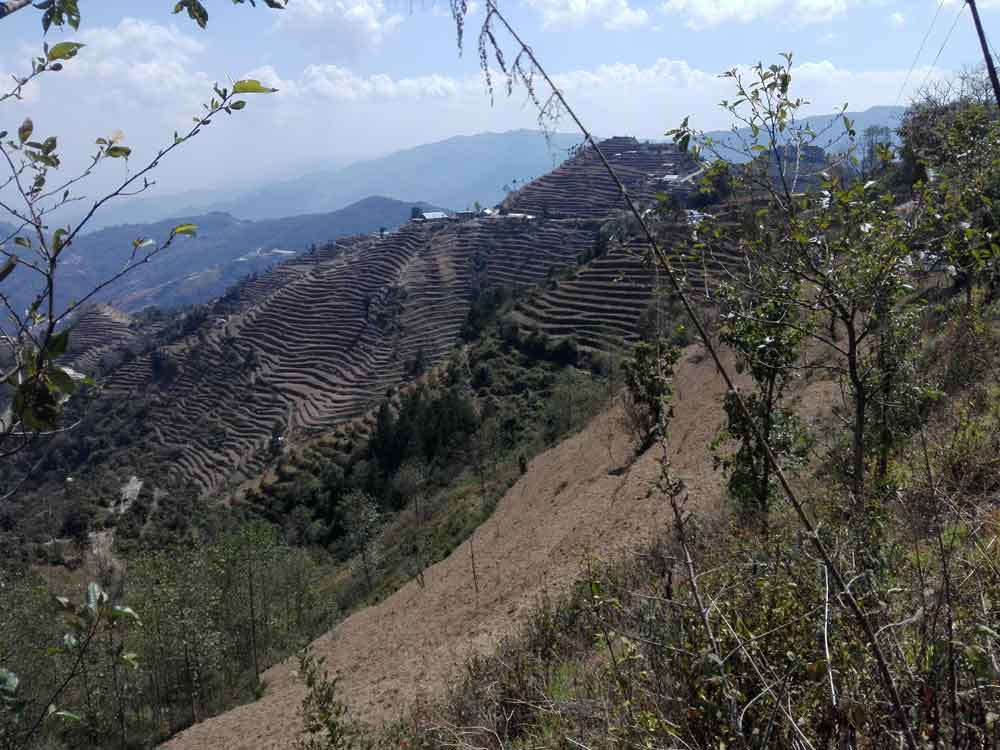
Continue through the forests, villages and terraced landscapes of Helambu.

Enjoy views of Langtang Lirung, Ganesh Himal, Annapurna, Manaslu and other Himalayan peaks.

Experience Tamang and Hyolmo cultures, monasteries, prayer flags and traditional mountain settlements

Langtang Gosaikund Pass Trek: From Langtang Valley to the Mystical Helambu Valley
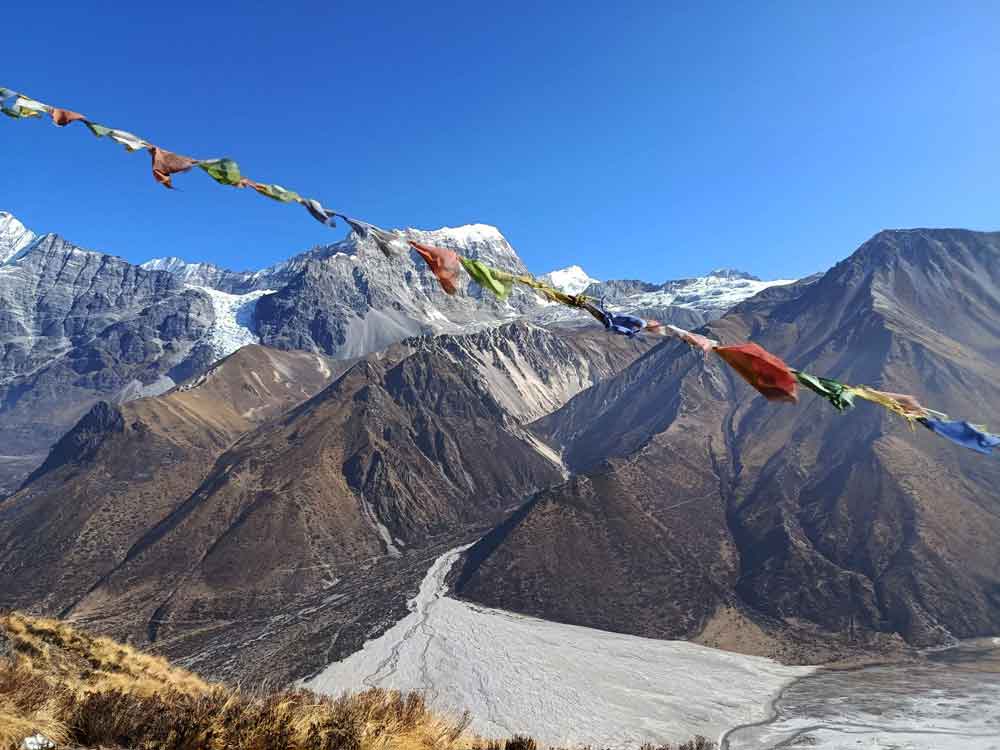
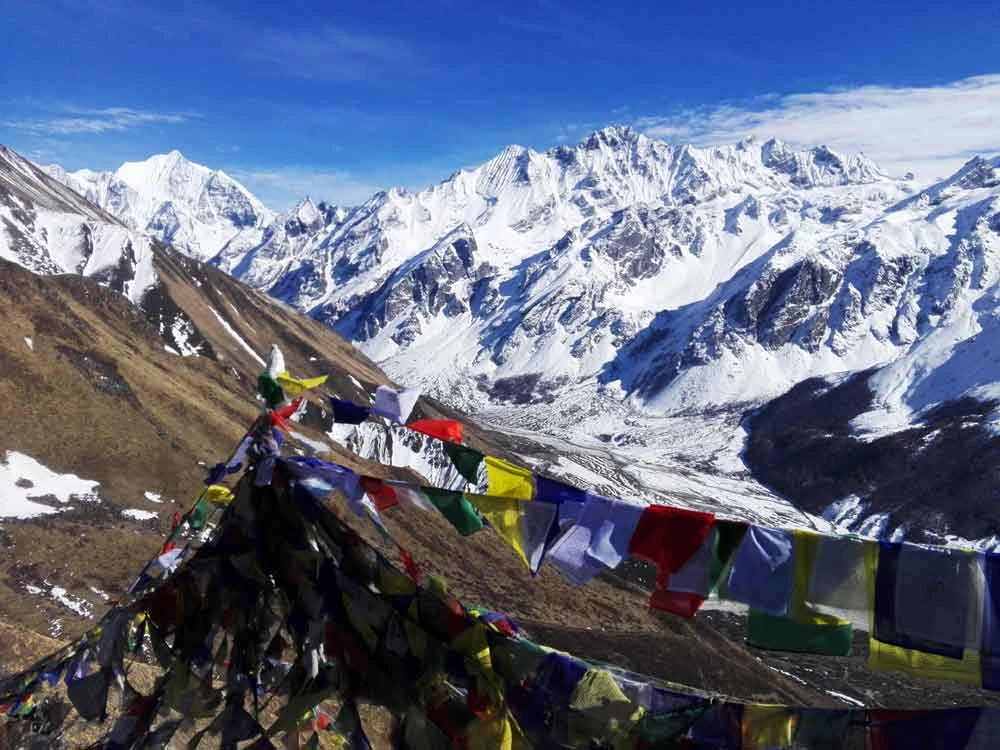
Langtang Glacier

The Langtang Valley via the sacred Gosaikund Lake and Laurebina Pass to Helambu Valley is one of Nepal’s most scenic, culturally rich, and rewarding trekking routes. The Langtang–Gosaikunda Trek offers a wonderful alternative to Nepal’s more crowded trekking destinations, such as the Everest, Manaslu, and Annapurna regions. Surrounded by spectacular mountain landscapes, lesser-known viewpoints, rolling hills, and pristine alpine scenery, this remarkable region remains relatively peaceful and unspoiled.

The journey begins in the beautiful Langtang Valley, where the trail winds through lush forests and traditional mountain settlements. Passing through Lama Hotel and Ghoda Tabela, trekkers gradually enter the magnificent glacial valley, surrounded by towering Himalayan peaks. The trail continues toward Kyanjin Gompa, the last major settlement in the upper Langtang Valley and a spectacular destination surrounded by snow-capped mountains, glaciers, and high-altitude landscapes.

Along the way, trekkers pass through Langtang Village, which was devastated by the earthquake of 2015. The village has since been rebuilt, and its story stands as a powerful symbol of the resilience and strength of the local community. From here, the trail continues toward Kyanjin Gompa, offering breathtaking Himalayan scenery and an opportunity to experience the rich Tamang culture and Buddhist heritage of the region.

After several unforgettable days exploring the Langtang Valley, the trek continues toward the sacred Gosaikund Lake, one of Nepal’s most revered pilgrimage sites for both Hindus and Buddhists. Surrounded by rugged mountains and a collection of beautiful alpine lakes, Gosaikund is associated with Lord Shiva and holds deep religious and spiritual significance. During major religious festivals, thousands of pilgrims visit the sacred lake to pray and take a holy bath in its waters.

The route then climbs toward Laurebina Pass (approximately 4,610 meters), the highest point of the trek. The pass is a bit demanding but gradual uphill; reaching the pass is an unforgettable achievement, rewarded with spectacular views of the surrounding Himalayan peaks, ridges, high-altitude landscapes, and some of the world's highest mountains.

After crossing the pass, the landscape gradually transforms as the trail descends toward the enchanting Helambu Valley. Here, the scenery becomes greener and more diverse, with lush forests, terraced fields, traditional villages, peaceful monasteries, chortens, and panoramic hilltop viewpoints. The changing landscapes are accompanied by equally fascinating variations in local cultures, traditions, architecture, and ways of life.

The Langtang Gosaikund Pass Trek is therefore much more than a Himalayan adventure. It is a journey through glacial valleys, sacred lakes, high mountain passes, ancient Buddhist traditions, vibrant local communities, and the mystical landscapes of Helambu.
Tserkuri

Important attractions of the Langtang to Helambu  Valley Trekking

Briddhim Village: is a traditional Tamang village in the Langtang region of Nepal, known for its rich Tamang heritage, Buddhist traditions, traditional architecture, and warm homestay culture.

Langtang Valley: Langtang Valley is one of Nepal’s most important Himalayan destinations, valued for its natural beauty, rich Tamang and Tibetan-influenced culture, biodiversity, religious heritage, and Panoramic close Himalayan Views. Throughout the whole valley, Langtang village was severely affected by the 2015 Nepal earthquake, which caused extensive loss of life and destruction in the region. The subsequent rebuilding of villages and tourism infrastructure has become an important part of Langtang's modern history and demonstrates the resilience of local communities.

Langtang National Park: Trek through diverse flora and fauna, including rhododendron, oak, and bamboo forests. Wildlife: red pandas, Himalayan Tahr, musk deer, wild boars, Snow leopards, mongoose, bees, bears, white-long-tailed langur, monkeys, endangered Ibis bills, Dhanphe pheasant, Kalij pheasant, Tibetan cock, magpie, and River chat.

Kyanjin Gompa: The oldest Buddhist monastery at 3700m is one of the important religious and cultural sites in Langtang Valley.

Kyanjin Ri (4800m):  is an ideal high-altitude viewpoint for trekkers who want spectacular Himalayan scenery without undertaking a technical mountain climb.

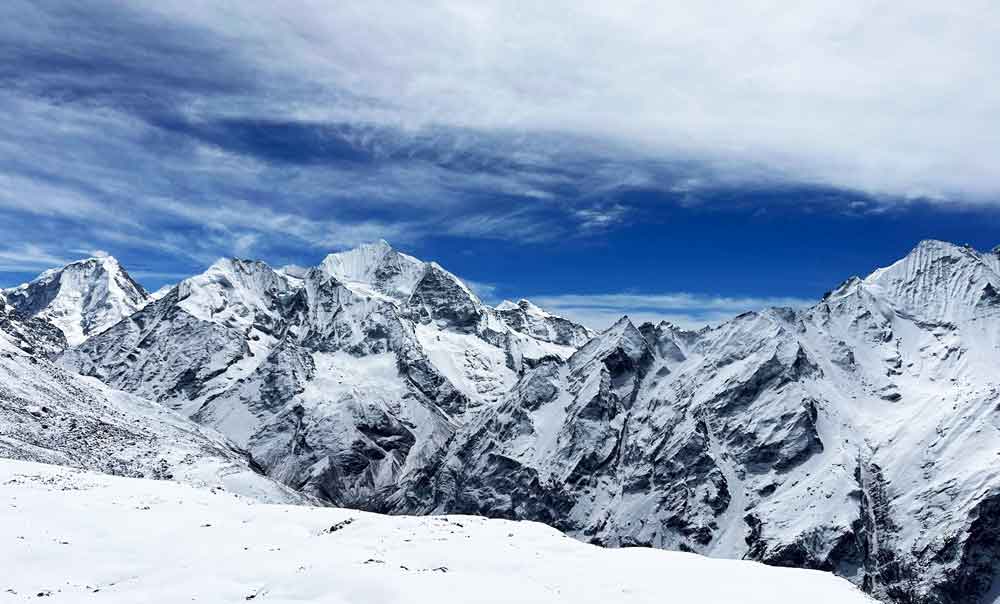
Tserko Ri: An optional ascent to 5,030m, providing 360-degree views of the surrounding Himalayan range, including Langtang Lirung, Shishapangma, and Ghanchhempo.

Sing Gompa:  is associated with Tibetan Buddhist traditions and is surrounded by forests and high Himalayan landscapes. The monastery provides an opportunity to experience the spiritual heritage of the region and observe local Buddhist practices.

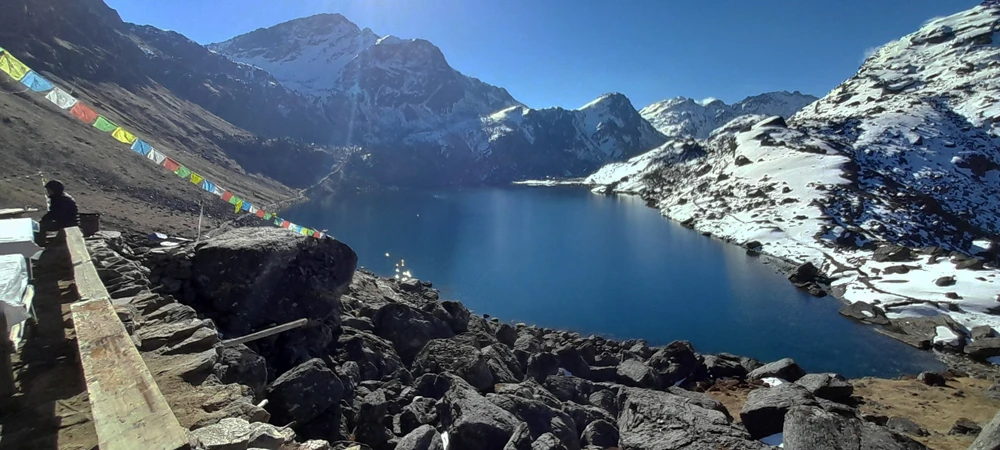
Gosaikunda Lake: A sacred alpine lake, revered by both Hindus and Buddhists. During the full Moon in August, the main ceremony plays a big part in this holistic site. Thousands of pilgrims from South Asia and Shamans from different ethnic groups, in their shamanic attire, used to visit this sacred Lake.

Laurebina Pass (Gosaikunda Pass) 4610m. is the most thrilling and rewarding Himalayan crossing that combines adventure, spectacular mountain scenery via the sacred Gosaikunda Lakes to the mystical Helambu Valley.

Helambu Valley is a beautiful and culturally rich Himalayan valley renowned for its peaceful mountain landscapes, Buddhist heritage, traditional villages, and distinctive Hyolmo culture.

Recommended Seasons For Langtang Gosaikund Pass Trek

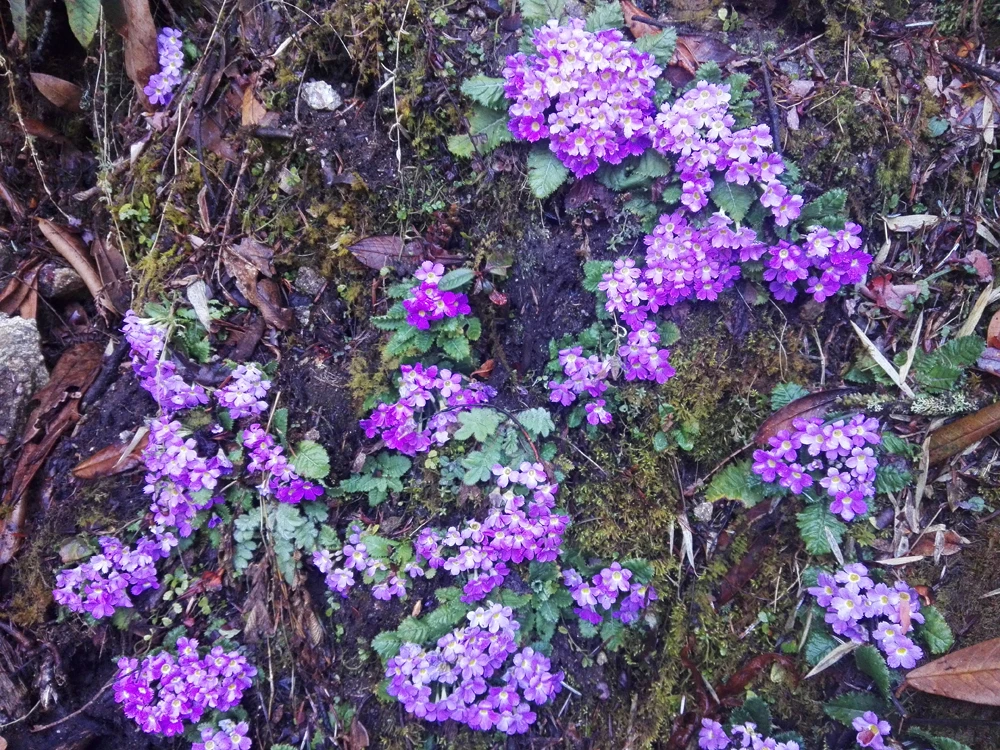
  • Spring (Mar- May): Offers mild temperatures, clear skies, and vibrant rhododendron blooms.
  • Autumn (Sep-Nov): Provides post-monsoon clarity, fresh air, and the clearest mountain views.
  • Monsoon (May-Aug): It is possible to trek; be prepared with monsoon gear and be aware of slippery and muddy trails.
  • Winter (Dec- Feb): It is still possible, but it can be challenging due to snowfall and cold temperatures at higher elevations.
Itinerary

Busdrive

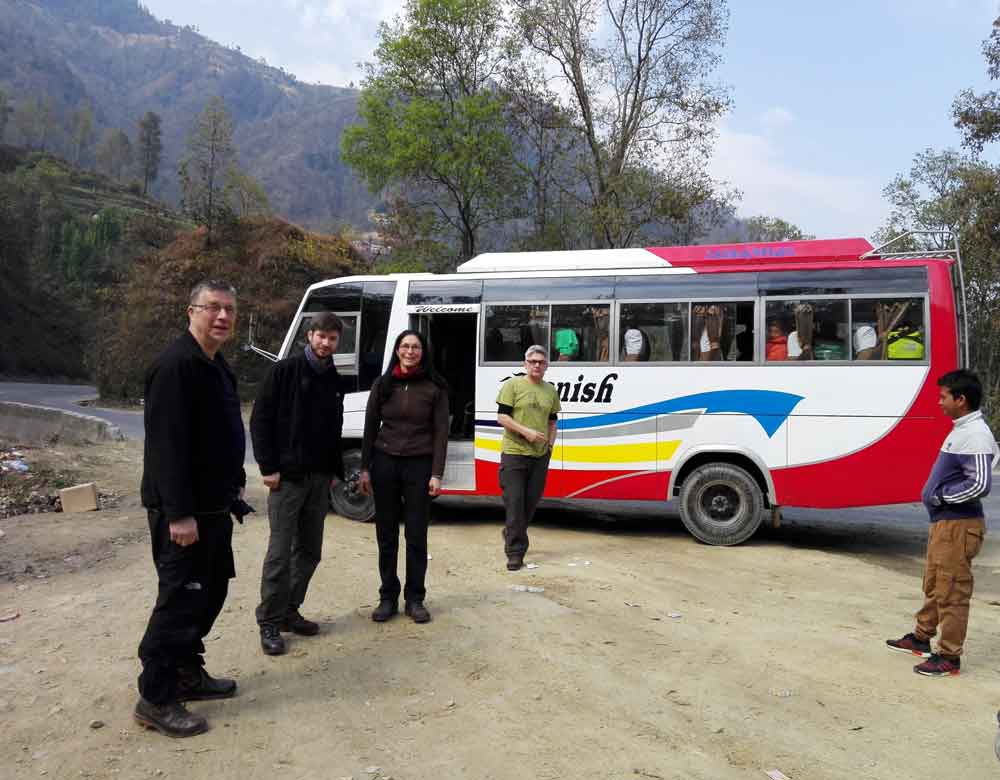
After breakfast, the drive starts to Shyabrubesi, which may take about 6/7 hours. Driving from Kathmandu to Syabrubesi (Shyabrubeshi), Rasuwa, it’s roughly 122 Km. Mostly paved, but there are rough/uneven sections, especially beyond Trishuli/Dhunche. The main highlights of the day are the Trishuli River, hill roads, massive mountains’ scenery, different cultures, and picturesque landscape.

The trail climbs gradually through forested hills and traditional Tamang settlements. Briddim is particularly well known for its Tamang cultural heritage and homestay experience. Briddhim is known less for big mountain trekking and more for its ancient Tamang culture, architecture, village life, and community homestays.

Briddhim

From Briddhim, the trail goes through beautiful Himalayan forest, with sections of rhododendron, oak, and pine. You'll encounter a small old settlement called Khangjim village, and again the path ascends toward the top of Bhanjyang gaun before arriving at the beautiful settlement of Sherpagaun. It is an ideal spot to stop for lunch. Then the trail turns into an adventurous, narrow path hugging the lush green hillsides to Rimche, joining the main Langtang Valley trekking route.

One interesting aspect is that the elevation doesn't simply increase. You'll have ups and downs; the Lama Hotel is only slightly higher than Briddhim, although actual walking effort is considerably greater and longer.

As you approach Lama Hotel, it is a collection of trekking lodges rather than a conventional village. It's a popular overnight stop on the way to Langtang Village and Kyanjin Gompa Trek.

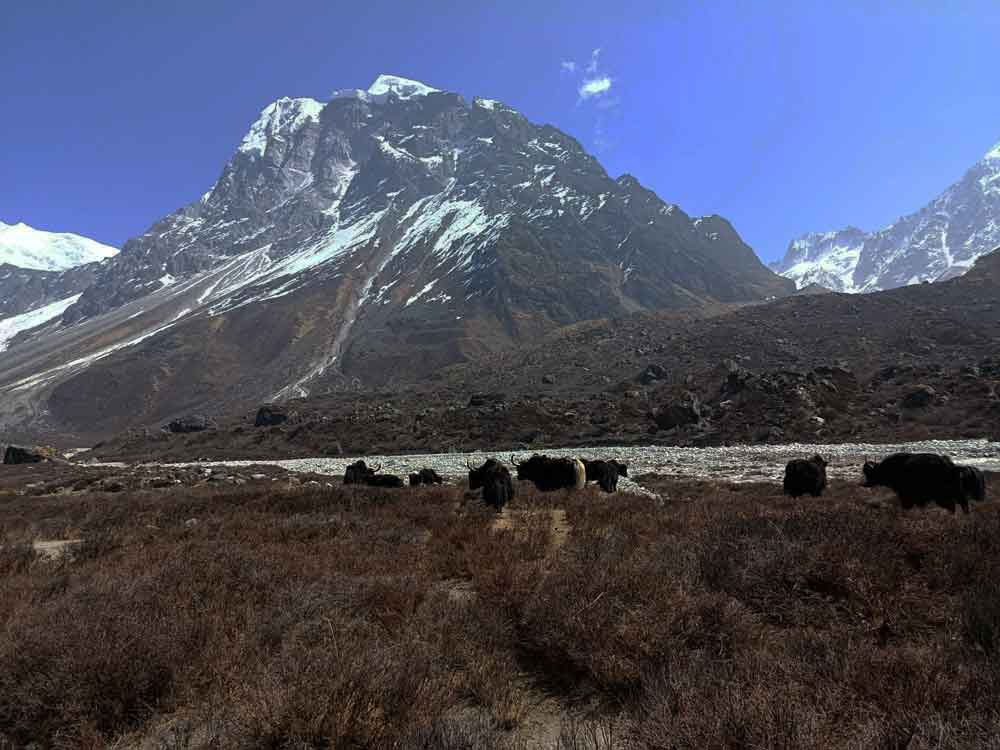
The trek from Lama Hotel to Langtang Village is about 9 Km. trail. It takes roughly 7 hours from the Lama Hotel to the transforming landscape at Langtang. For the first two hours, you continue through the forest. However, once you reach Ghoda Tabela, the valley suddenly opens up. The dense trees disappear, replaced by wide pastures and the first clear, massive views of Langtang Lirung (7,227m) and some other neighboring mountains. You’ll pass several small streams where the force of the water is used to spin large prayer wheels—a peaceful sight and sound. Also encounter yaks and mules in delivery caravans. Be careful around them in safe sites during your encounter; they may push you down to the rivers or hills.

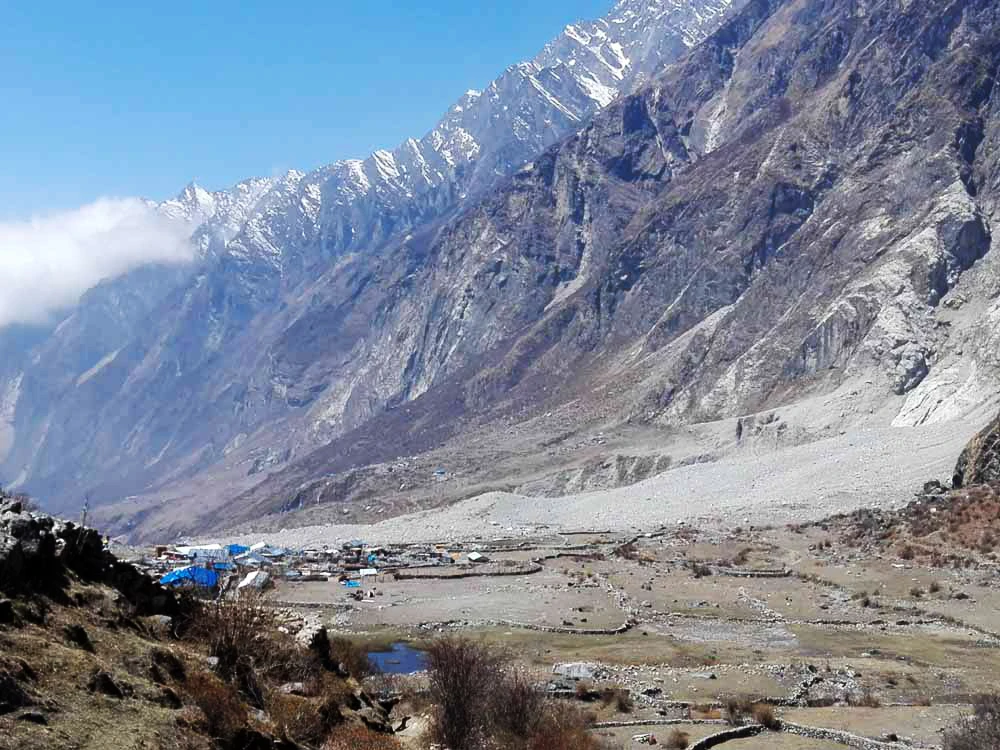
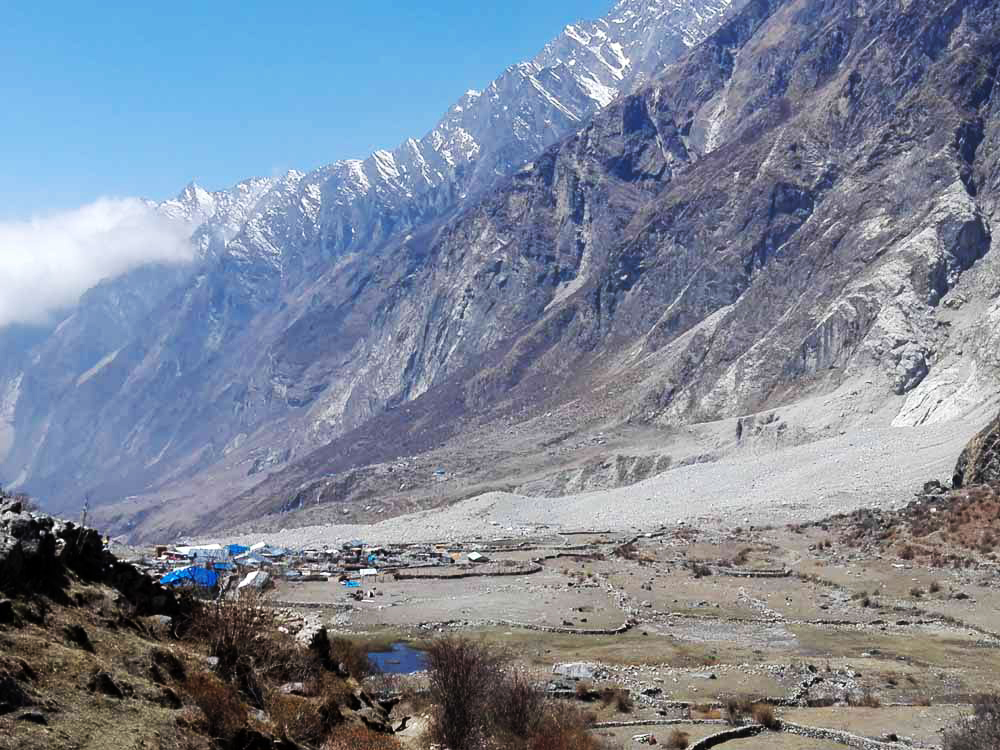
Langtang village was destroyed by a devastating earthquake in 2015

Langtang

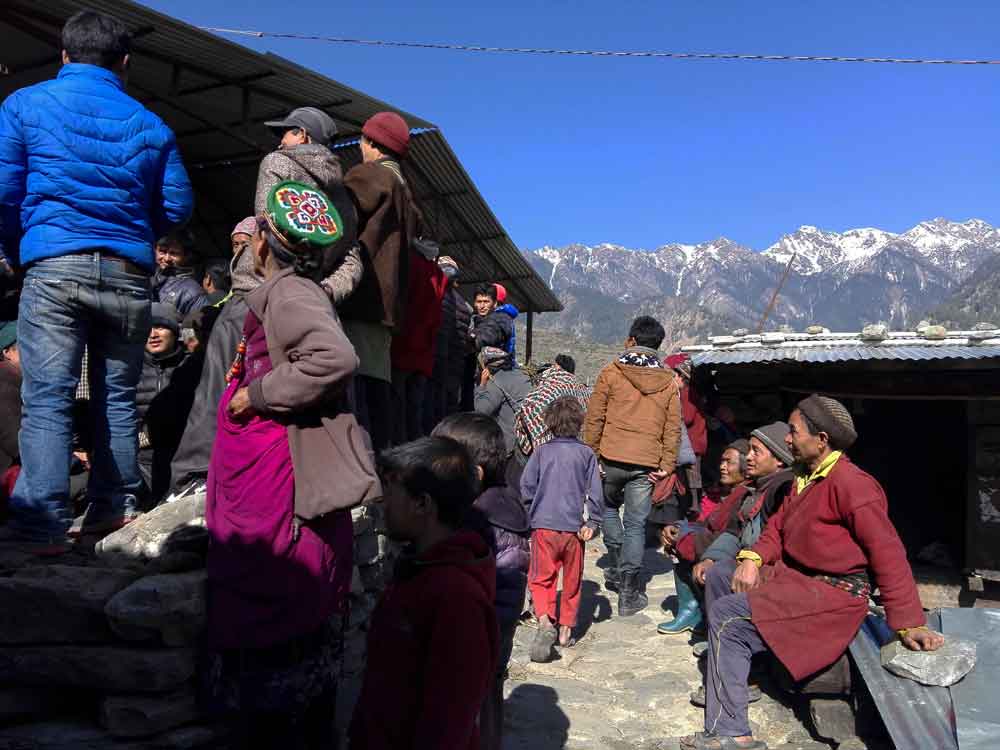
After crossing 3000 meters in altitude, you will likely feel the air getting thinner, so keeping a slow, steady pace is essential to avoid altitude sickness. Lama Hotel to Langtang is nearly 1,000 meters of gain in a day, so drink plenty of water (3–4 liters). And walk constantly slower, saving energy and taking rest. By the end of the day, you reach The New Langtang Village: The original village was tragically destroyed in the 2015 earthquake. The "New" Langtang Village has been rebuilt nearby with modern stone teahouses. It’s a testament to the resilience of the local Tamang and Tibetan-descended communities.

The walk from Langtang Village to Kyanjin Gomba is arguably the most rewarding stretch of the trek. It’s a shorter day—physically easier on the lungs than the previous days—but visually stunning as you move deep into the heart of the high-altitude glacial amphitheater. The terrain is a gradual, steady incline through wide alpine meadows. The trail is much broader and less "closed in" than the forest sections.

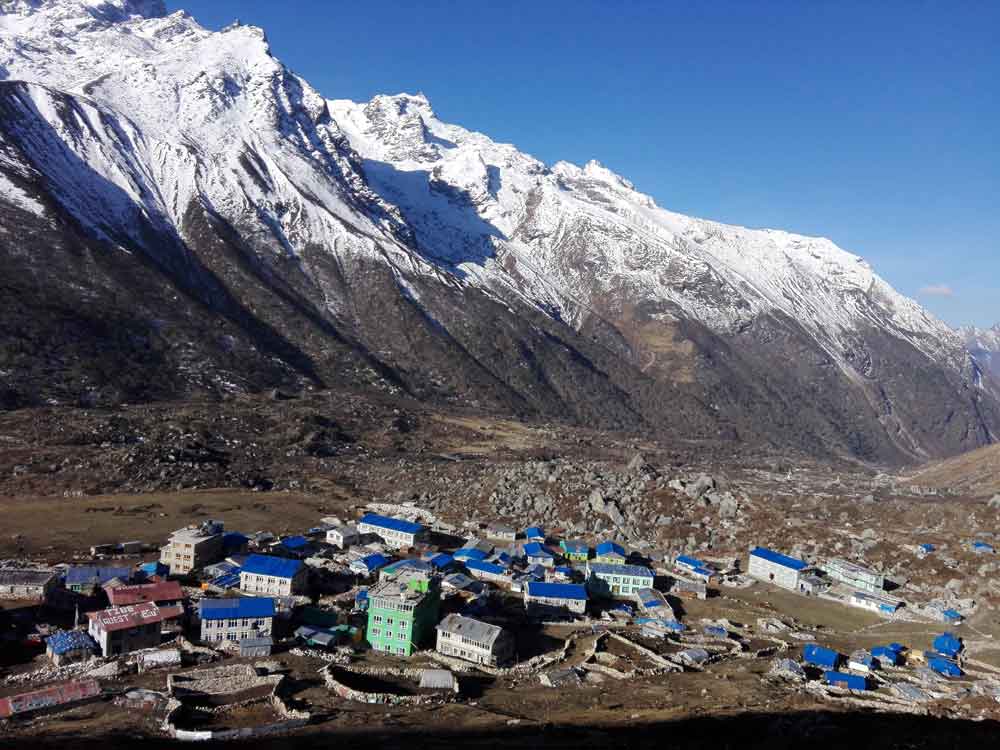
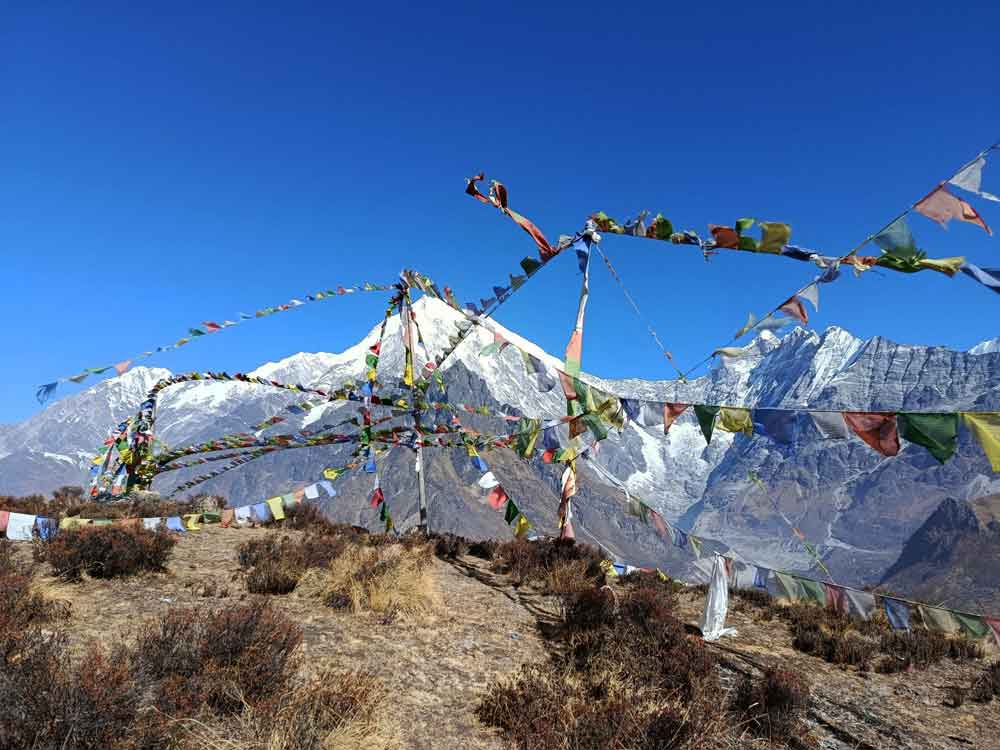
KyanjinGombaShortly after leaving Langtang Village, you will pass one of the longest and most impressive Mani walls in Nepal. The thousands of stones carved with the mantra "Om Mani Padme Hum" are set against the backdrop of snow-capped peaks. Now you enter into the yak’s Country." You’ll see dozens of yaks grazing on the wide valley floor. This area is famous for its yak Cheese and ancient Gomba. After 3 hours of walking, you reach the last village in Langtang Valley called Kyangzin Gomba, which is a bustling little hub of good hotels and lodges, bakeries, and even "the highest lily coffee shop in the region.
At noon, you can go to a higher altitude for proper altitude acclimatization. You will find yourself in the center of numerous mountains such as Langtang Lirung, Langtang peak, Dhakpatse peak, Ganjala peak, Gangchhembu, Nayakhang, etc.

For the best views of the Langtang region's Himalaya and landscape, Kyanjin Ri (4,773 m) is the best half-Day acclimation hike. The trail starts with a steep, zigzagging path right behind the village lodges. Most hikers hit the "Lower" viewpoint (4,300m) first. If you feel good, push on to the true "Upper" summit. From the top, you will get a breathtaking 360-degree panoramic view of the entire Langtang region, mountains, and glacier.

Kyanjin

There is an optional route for a Tserku Ri 5030-meter hike. If you embark on a journey to summit Tsergo Ri peak, it takes around 5 hours to ascend and 3 hours to descend. The ascent to Tsergo Ri Peak is an adventure in itself; however, it is a non-technical peak but requires good physical stamina and pack lunch. It has several steep and rocky sections with breathtaking panoramas, which will make your mountain journey a rewarding and unforgettable experience.

Tserku Ri

Returning from Kyanjin Gompa to Lama Hotel is essentially a downhill return along the Langtang Valley trail. The first part is relatively straightforward, with spectacular views of the surrounding mountains. After Langtang Village & Thangshep, the trail continues through increasingly dense forest toward Lama Hotel.

This is a scenic section of the Langtang region and makes a good transition from the Langtang Valley back toward the lower villages. The walk takes you through beautiful rhododendron, oak, and bamboo forests along the Langtang River Bank. You will see monkeys, wild bees, beautiful waterfalls, and pass by Pairo Thaplo and up hills to the Thulo Shyabu.

Thulo Shyabru

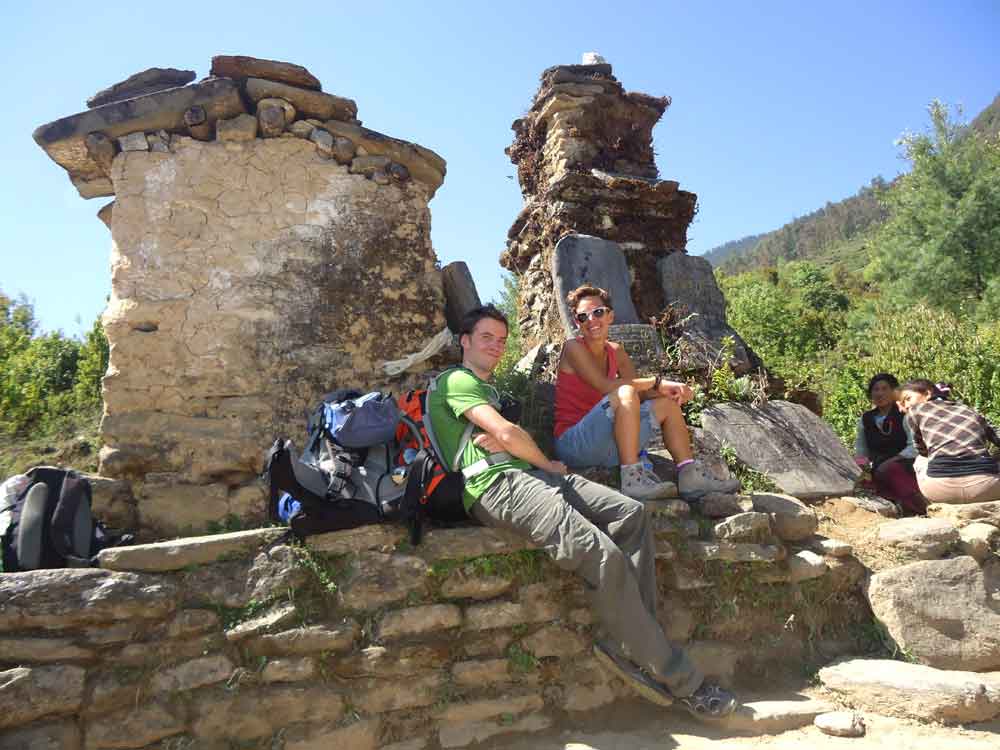
Thulo Shyabru is a larger traditional Tamang settlement and is a nice place to experience Tamang Cultures & traditions. You can explore the village, interact with residents, and enjoy views of Ganesh Himal and Langtang Lirung.

Sing Gomba

The trek from Thulo Shyabru to Sing Gomba is a beautiful but relatively steep trek leading from the Tamang village of Thulo Syabru to the mesmerizing hilltop. The trail climbs steadily through beautiful oak, rhododendron, and pine forests. As we gain altitude, the vegetation changes and the air becomes noticeably cooler. The trail is more enjoyable from the hilltop through the alpine forest to Sing Gompa (Chandanbari). There is a famous yak cheese production center during yak pasturing seasons. There is a famous monastery in the middle of the village; you may take a short visit during your stay. Overnight at the nice lodge.

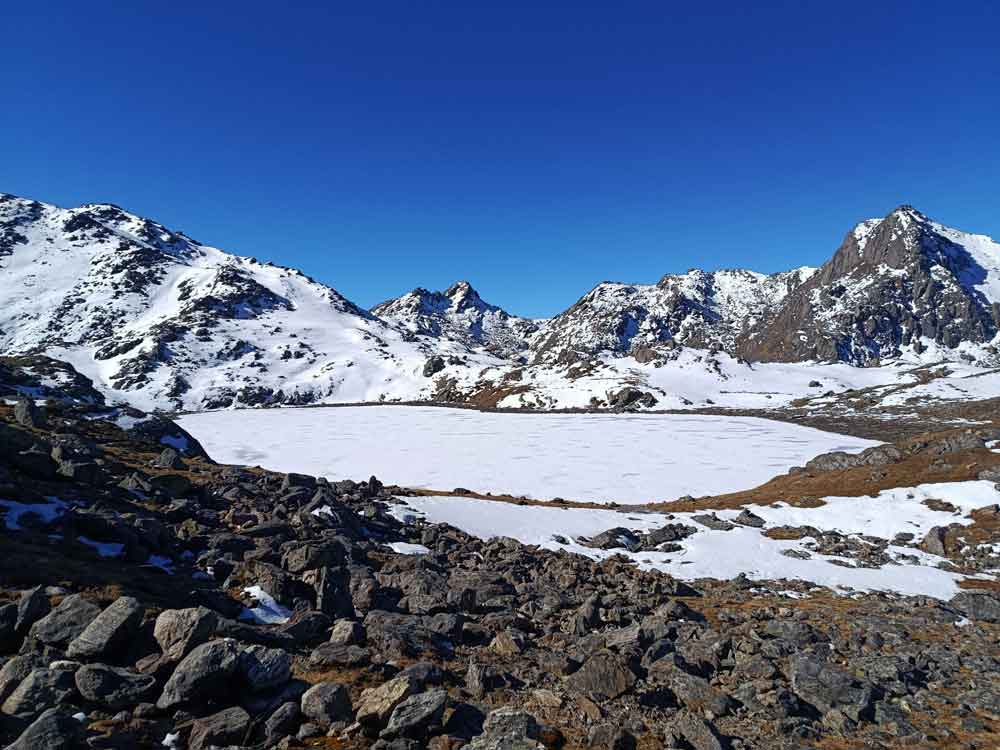
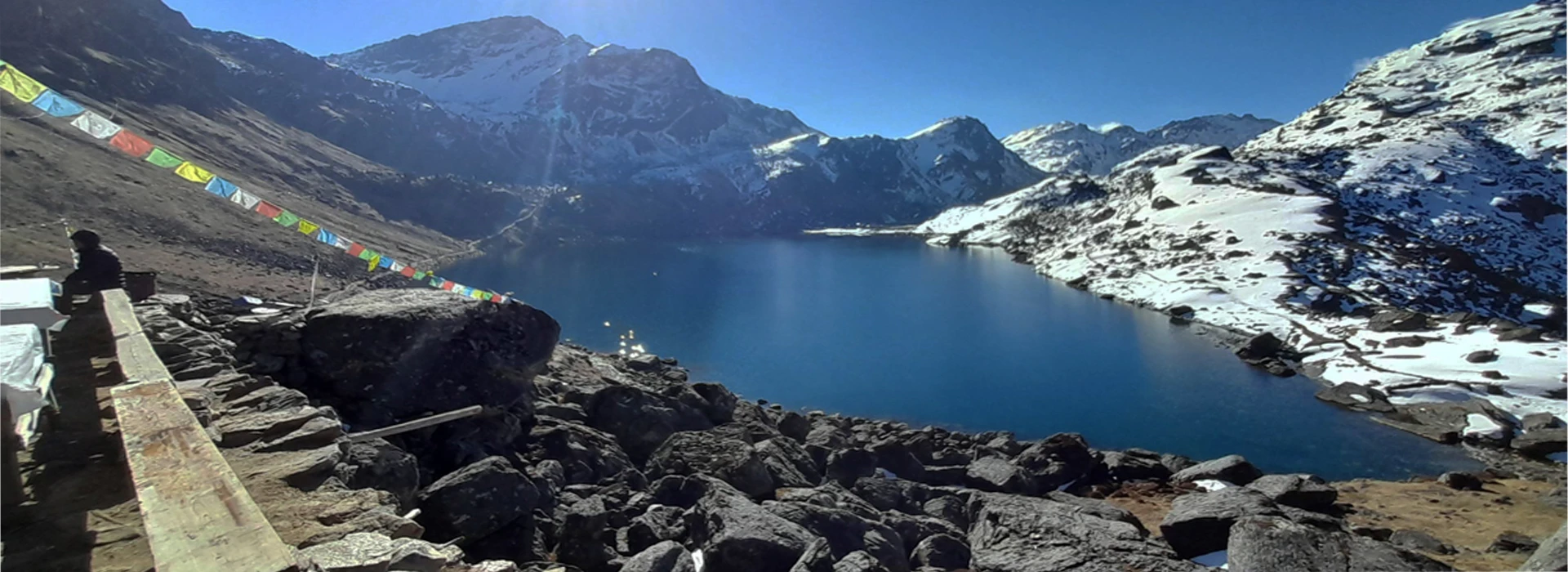
This is one of the most spectacular sections of the Langtang–Gosaikunda trek, but it's also a challenging uphill day because of the altitude. The trail climbs steadily through forests at first to Cholangpati- Laurina- Lauribinala Pass to Gosaikund holy Lake. The landscape becomes much more open and alpine from Lauribina. It is an important point on the route, with increasingly impressive views of the Himalayan range; the trail continues along the ridge toward the sacred lakes of the Gosaikunda area. The scenery can be extraordinary when the weather is clear. Gosaikunda is a sacred place for Hindu and Buddhist pilgrims, mainly associated with Lord Shiva. There are many lakes surrounded by rugged mountains, rocky terrain, and several smaller alpine lakes.

Gosaikund Lake

This is one of themost challenging and rewarding days of the Gosaikunda–Helambu trek. You cross the high Lauribina/Gosaikunda Pass area and then descend toward Ghopte through rugged alpine terrain and rhododendron forest.

Gosaikund Pass

The trail climbs from Gosaikunda Lake toward the Lauribina Pass or Gosaikund Pass at 4,610 m. This is the highest point of this section.

The landscape is very different from the forest around Sing Gompa. Initially, the landscape is surrounded by bare rock, high-altitude slopes, and several sacred lakes. In clear weather, the views of the Himalayas from this section are mind-blowing. After you cross the high point of Gosaikund Pass at 4610 meters, the trail begins a long descent to Ghopte. The landscape gradually changes from rocky alpine terrain to rhododendron and other Himalayan forests. Overnight at a basic teahouse.

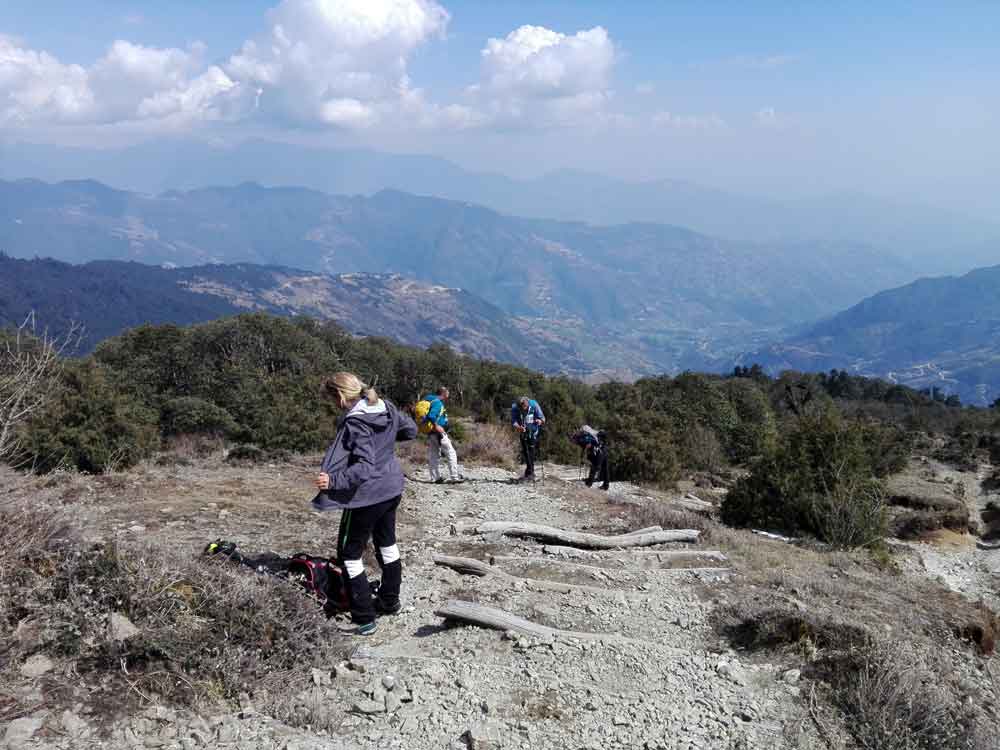
The trek from Ghopte to Mangen Goth is a beautiful and peaceful section of the Helambu trekking route. The trail passes mainly through dense rhododendron, pine, and Himalayan forest, offering a quiet wilderness experience with occasional views of the surrounding hills and mountains.

Mangen Goth

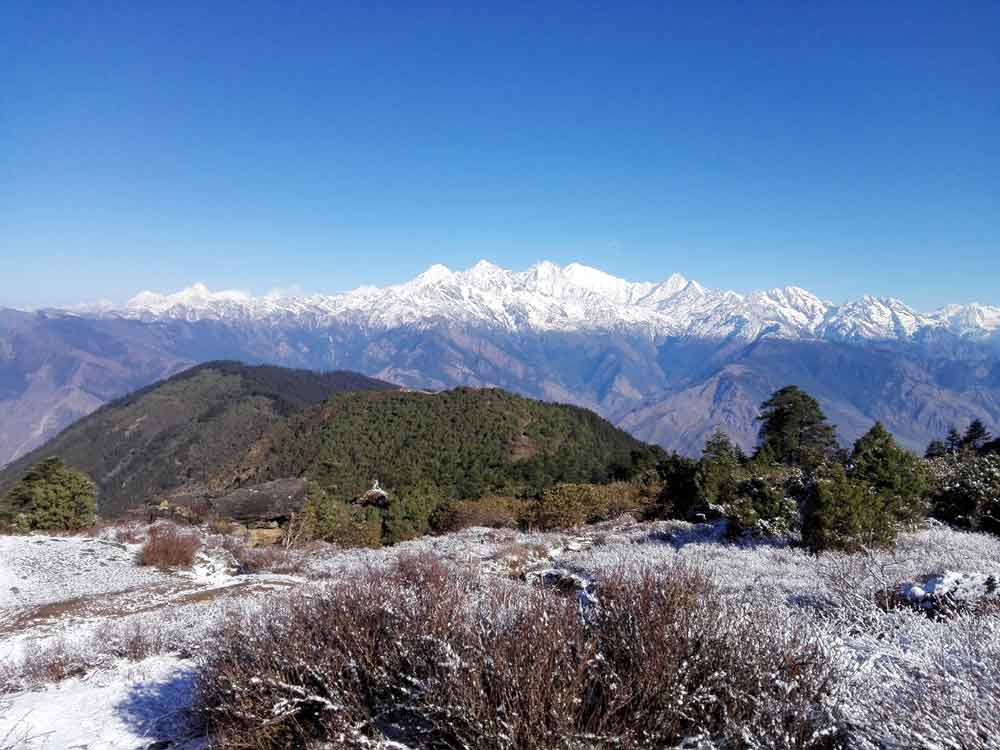
The trail is undulating and moderately challenging, with several uphill and downhill sections. Along the way, trekkers cross rocky paths, forested ridges, and the small, beautiful hamlet of Tharepati, where the landscape becomes more expansive. Depending on the season, the forests can be especially attractive with blooming rhododendrons, while clear weather provides glimpses of the panoramic view of snow-covered Himalayan peaks, including the highest Mt. Shisha Pangma of Tibet (China).

As the trail approaches Mangen Goth, the environment becomes more remote and tranquil. The combination of lush forests, mountain scenery, fresh Himalayan air, and rugged trails makes this a rewarding and scenic day of trekking.

Mangen Goth to Gul Bhanjyang trek offers a pleasant combination of forest scenery, mountain views, rural landscapes, and cultural experiences of the Helambu trekking route. The trail gradually descends through the Yurin Danda and Mera Danda ridges, offering broad gaps in the canopy to look at the several high snow peaks. You will pass a few isolated bamboo huts and small pastures before dropping sharply via stone steps into Kutumsang (2,470m), a principal Sherpa village where many hikers stop for lunch.

Gul Bhanjyang

Kutumsang to Gul Bhanjyang (2 Hours): The trail transitions out of the deep national park forest into agricultural landscapes. You will hike along a dusty path and rural hillsides surrounded by terraced farming. The path climbs briefly over a minor pass at 2,580m–2,620m before a final hour-long knee-jarring descent onto the stone houses and chortens of Gul Bhanjyang, a traditional Tamang settlement.

The trek begins with a steep, sustained uphill climb out of the Gul Bhanjyang valley. You will hike up stone stairs and dirt paths through terraced fields and small sub-tropical forests until reaching the ridge-top settlement of Thodang Betini. From here, the trail plunges downward. You will descend steeply along a dusty ridge road and stone paths, passing scattered houses, small schools, and local shops. The descent ends at Pati Bhanjyang, a busy, low-altitude intersection village inhabited by Brahmin and Chhetri communities. This is the most popular spot to break for lunch. Then, the final leg requires you to regain the elevation you just lost. It is a hot, steep, and taxing uphill climb on a stone trail up to the forested areas and Chisopani settlement near the Shivapuri National Park check post.

The trek from Chisopani to Kathmandu is the classic final stretch of the Helambu trek. You will enter the deep oak and rhododendron woodlands of Shivapuri Nagarjun National Park. The trail passes the small settlement of Borlang Bhanjyang, Mulkharka, and descends alongside massive water pipelines and the scenic waterfalls.

Near the end of the steps, you will pass the Sundarijal Water Reservoir, a major drinking water source for Kathmandu. Trek down to the main road and drive to Kathmandu for 1.5 hours

Route Map
Langtang Gosaikund Pass Trek: 17 Days map
Cost Details
Group Cost Per PersonRemarks
Single PeopleUSD 1600.00Full Package Trip Plan
2 - 4 People USD 1400.00Full Package Trip Plan
5 - 8 PeopleUSD 1300.00Full Package Trip Plan
9+USD 1200.00Full Package Trip Plan


What's included
  • International airport pickup with private vehicle
  • 1 night deluxe room in Kathmandu on a B&B plan (3-star hotel in Thamel) before the trek
  • Private comfort transportation to Shyabrubesi (Public transport is very boring)
  • Local clean accommodation during trekking
  • 3 meals (breakfast, Lunch, and Dinner) during the trek
  • Professional guides and porters including their wages
  • Staff trekking insurance
  • Transportation charges for your trekking crews
  • All necessary permits for the Langtang trek
  • Shivapuri National Park permit
  • Private vehicle drive from Sundarijal to KTM
  • 1 night deluxe room on B&B basis after the trek in Kathmandu
  • Complimentary duffel bag for the trek
  • Walking poles and Spikes
  • First aid Medical kit
  • Bag covers or rain covers for your bags for the porters
  • Your duffel bag carrier tools
  • Farewell dinner
  • Airport drop-off with private vehicle
What's not included
  • Your International airfare
  • Your Personal travel insurance and Nepal entry visa fee
  • Extra night accommodation, lunch, and dinner in Kathmandu (in Case your stay is longer than our program)
  • Tips for your trekking staff
  • Your personal health insurance and expenses
  • Helicopter price in case you need to be evacuated
  • Drinks: Alcohol, Coke, Fanta, mineral water, canned juice, Mars, bars (all kinds of bottled drinks and packet cereals)
Useful Info

Required Physical Fitness for Langtang Gosaikund Pass Trek

The Langtang Gosaikund Pass Trek requires a moderate level of physical fitness. You don't need to be extremely athletic. With consistent preparation, a reasonably fit and healthy trekker can complete the Langtang Gosaikund Pass Trek. The key is endurance, proper acclimatization, hydration, and maintaining a comfortable pace rather than speed.

Acclimatization

This route is less risky for altitude sickness because of the gradual itinerary. However, it is better to be attentive to altitude sickness in the Langtang Valley section because the route involves a substantial increase in altitude, particularly as we travel toward Kyanjin Ri and Tserko Ri. We will already be well acclimatized before climbing toGosaikunda Lake and Lauribina La Pass; thus, the highest point of the pass in this section will be less risky for the overall route.

Prevention of altitude sickness

  • Take the trek slowly and allow acclimatization.
  • Avoid rapid climbing and sleeping at altitude.
  • Drink regularly throughout the day. At high altitude, dehydration can worsen headaches and fatigue and may make altitude symptoms harder to distinguish
  • Avoid alcohol and unnecessary sedatives at high altitude.
  • Don't push yourself if you develop symptoms.
  • Use the medicine prescribed by your doctors.
  • If symptoms are getting worse, do not continue higher.
  • If serious symptoms appear, descend immediately and seek medical help

Drinking Water: Drinking water is generally available along the trek, but you should not drink untreated stream or tap water directly. Carry a reusable1–2-liter bottle or hydration bladder, refill at lodges or reliable sources, and treat the water before drinking, or fill it with properly boiled water.

Accommodation: Accommodation on the Langtang Valley–Gosaikunda Pass–Helambu Trek is mainly in family-run teahouses and lodges. They are basically neat and clean, with enough basic facilities, but some accommodation at high elevation, such as Gosaikund Lake side, is in normal lodges.

  • Rooms: Usually simple twin-sharing rooms with basic beds, mattresses, blankets, and pillows. Rooms are generally well-ventilated but not heated.
  • Bathrooms: Toilets may be shared, particularly at higher elevations. Hot showers are available at some teahouses for an additional charge.
  • Dining: Most teahouses have a common dining area, often heated by a wood or fuel stove.
  • Electricity: Charging facilities are available in many lodges; sometimes they may cost extra, and electricity can be unreliable in remote areas. A power bank is recommended.
  • Wi-Fi/mobile network: Available everywhere but can be weak or unavailable in remote sections such as Gosaikund Lake.
  • Peak seasons: Teahouses can become busy

Personal equipment list

Clothing:

  • Base-layer thermal top and bottom
  • 2–3 trekking T-shirts
  • Fleece jacket
  • Down/insulated jacket
  • Waterproof and windproof jacket
  • Trekking trousers (2 pairs)
  • Warm trekking trousers for higher elevations
  • Underwear and socks
  • Warm hat/beanie
  • Sun hat/cap
  • Gloves and warm gloves for higher altitude
  • Lightweight rain gear/poncho

Footwear:

  • Comfortable trekking boots with good grip
  • Lightweight camp shoes/sandals
  • A pair of Warm trekking socks

Accessories:

  • A Duffel bag for luggage
  • Rain cover for backpack
  • Small daypack for yourself
  • Sleeping bag rated appropriately for cold high-altitude nights
  • Sleeping-bag liner, optional
  • Water bottles/hydration bladder (at least 2 L capacity)
  • Water purification tablets/drops or personal water filter
  • Headlamp with spare batteries
  • Sunglasses with good UV protection
  • Sunscreen and lip balm with SPF
  • Personal toiletries
  • Quick-drying towel
  • Hand sanitizer
  • Toilet paper/tissues
  • Wet wipes
  • Trekking poles
  • Map or offline trekking map
  • Power bank and charging cables
  • Camera/phone and spare batteries (if needed)

Travel Insurance: Comprehensive personal travel insurance is strongly recommended in the Himalayas because the trek reaches higher elevations. So, your insurance policy should specifically cover the following things:

  • High-altitude trekking coverage up to at least 5055 m.
  • Emergency medical treatment for illness, injury, and altitude-related problems.
  • Emergency helicopter evacuation, which can be extremely expensive in remote Himalayan areas.
  • Hospitalization and medical expenses in Nepal.
  • Trip cancellation or interruption due to covered emergencies.
  • Lost, stolen, or delayed baggage and personal belongings.
  • Coverage for emergency transportation and repatriation if required.
  • Coverage for the entire duration of your trip in Nepal.

Important Documents

  • Passport/identification
  • Trekking permits and required documents
  • Travel insurance details
  • Emergency contact information
  • Some Nepalese cash for remote areas

Medical:

  • Basic first-aid kit
  • Blister treatment/plasters
  • Personal prescription medicines
  • Basic pain/fever medicine
  • Medication for common stomach problems
  • Altitude sickness medication only after discussing its suitability with a healthcare professional
TestimonialsWhat our Traveler say
Similar Packages