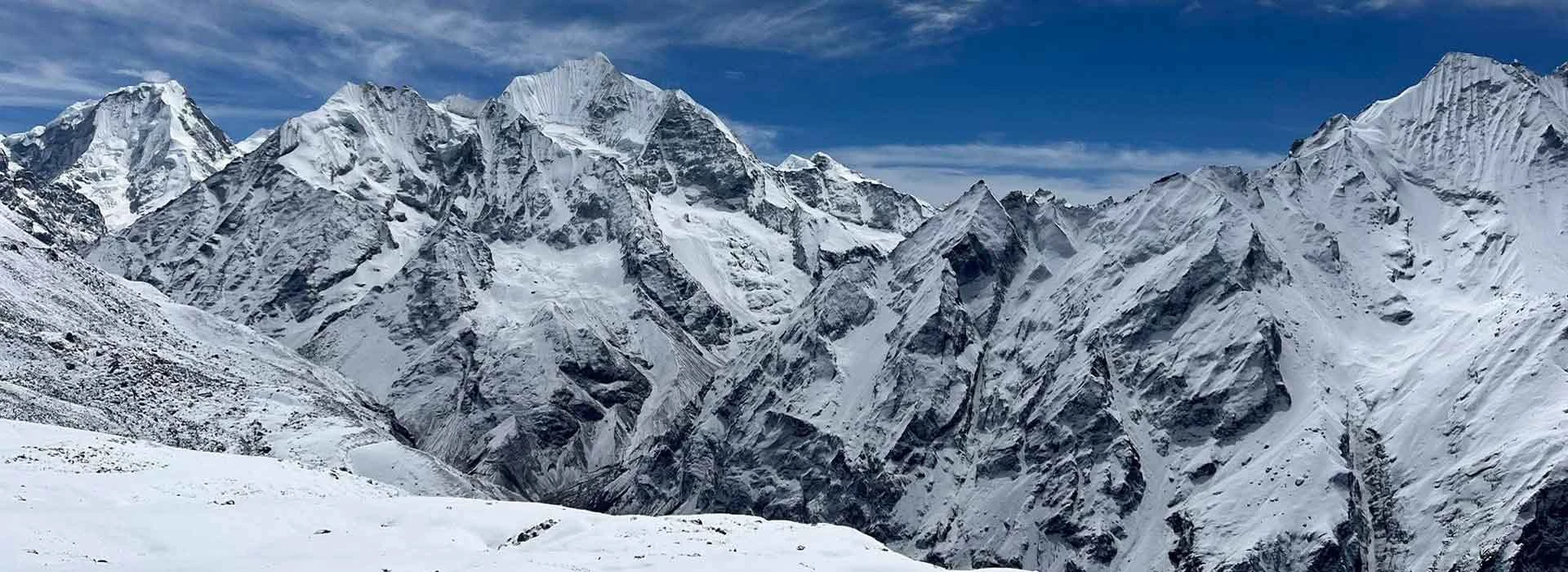
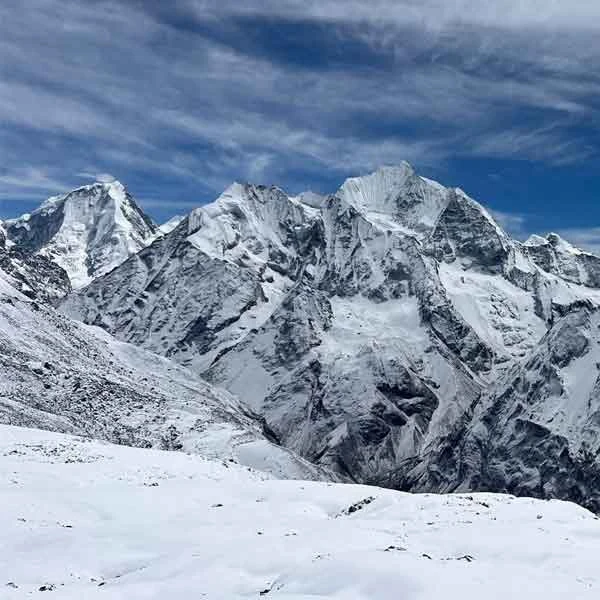
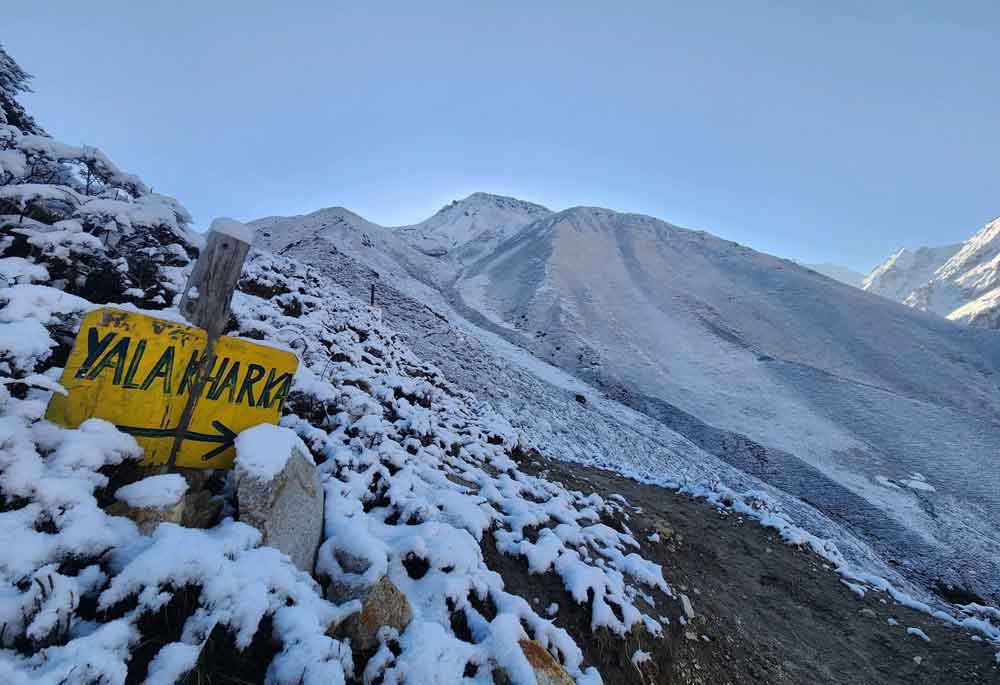
Yala Peak Climbing And Langtang Valley Trekking

    Overview
    Trip Highlights
    • An authentic experience of mountain climbing without any technical climbing knowledge
    • Visit Kyanjin Gompa, one of the oldest monasteries, which is the religious centre of the place.
    • Explore the stunning landscape and biodiversity of subtropical forests within Langtang National Park.
    • Experience the comfort of tea house trekking even while you are heading to a remote land for peak climbing.
    • The Best peak for beginners.

    The Langtang Valley Trek combined with Yala Peak (5520m) Climbing is one of Nepal's most accessible, rewarding, and cost-effective mountaineering adventures in the Himalayas. Yala Peak is officially classified as a non-technical "Trekking peak," making it the ultimate introductory climb for beginners seeking a true Himalayan summit without advanced technical skills.

    Yala Peak (5520 meters) climbing is a short mountain expedition near the Tibetan border on the northern side of Kathmandu. Langtang trek and Yala Peak climbing can be completed within two weeks. This trip is perfect for beginners; retired people or anyone with little trekking experience can easily complete this thrilling Himalayan expedition. This expedition is not risky or strenuous like other technical peaks, although climbers sometimes need to use climbing equipment on the ice and rocky cliffs.

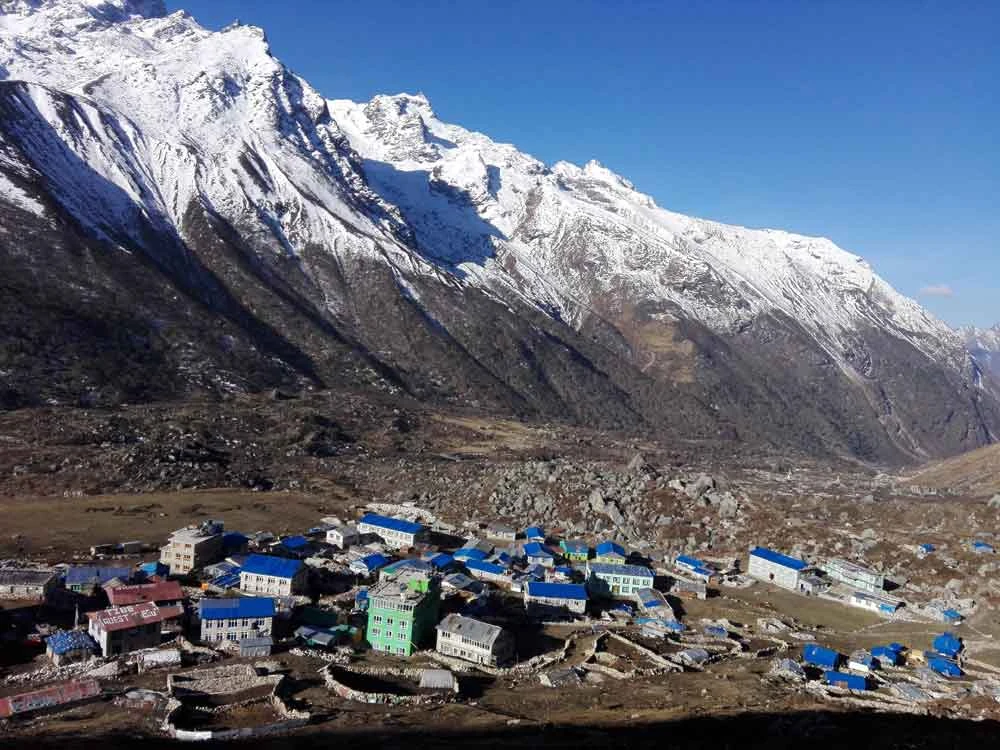
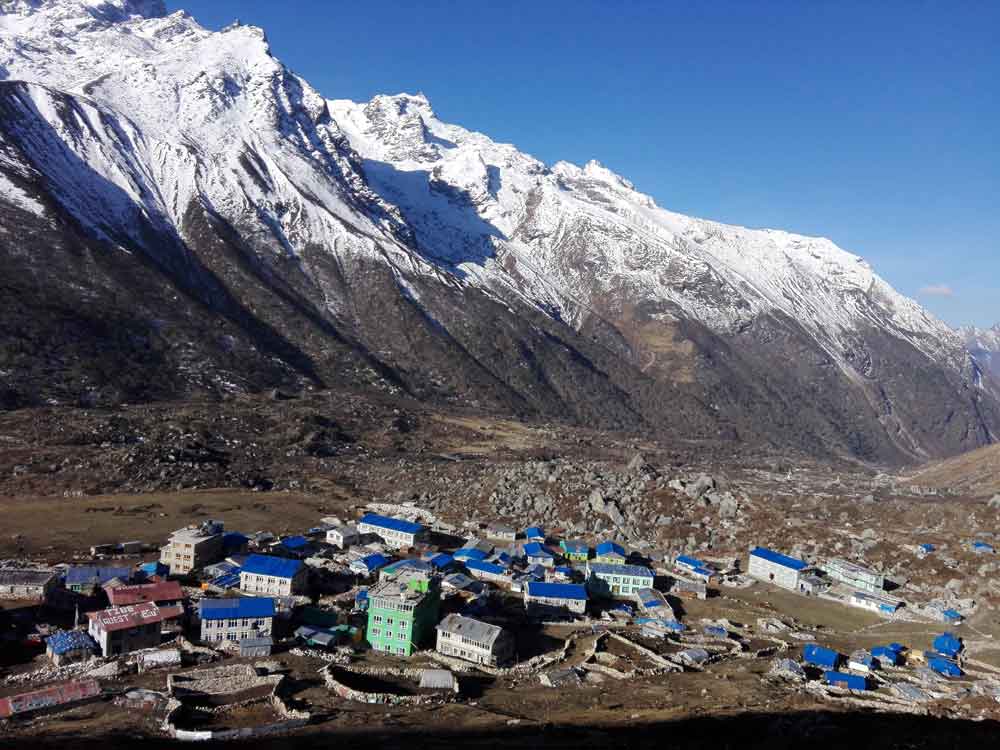
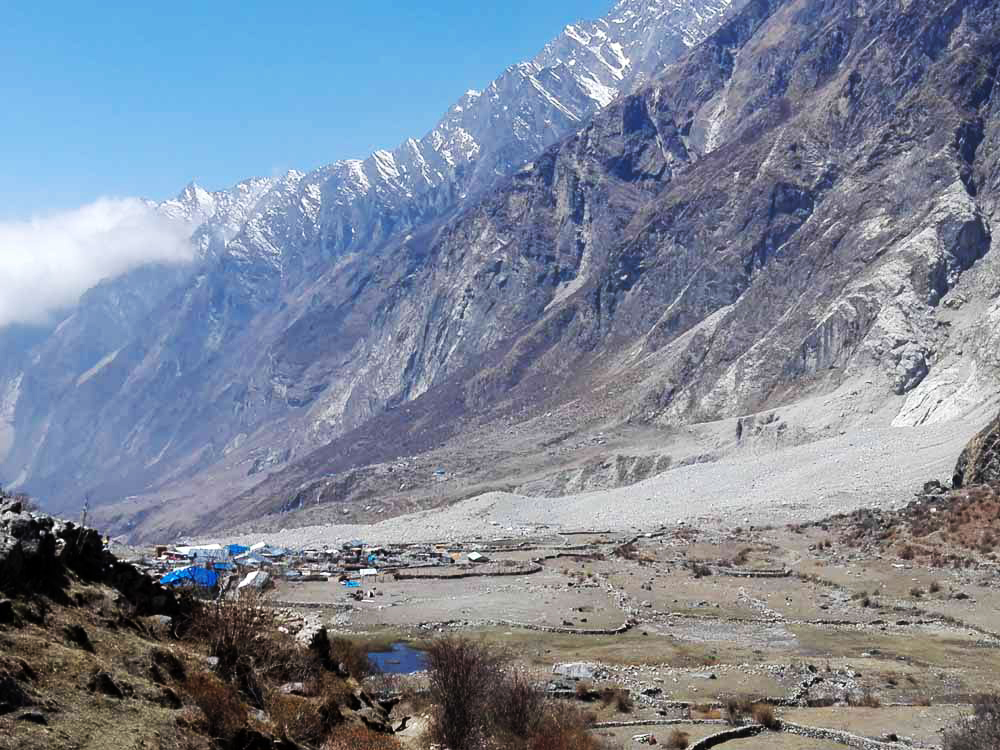
    Langtang village was destroyed by a devastating earthquake in 2015

    After crossing 3000 meters in altitude, you will likely feel the air getting thinner, so keeping a slow, steady pace is essential to avoid altitude sickness. Lama Hotel to Langtang is nearly 1,000 meters of gain in a day, so drink plenty of water (3–4 liters). And walk constantly slower, saving energy and taking rest. By the end of the day, you reach The New Langtang Village: The original village was tragically destroyed in the 2015 earthquake. The "New" Langtang Village has been rebuilt nearby with modern stone teahouses. It’s a testament to the resilience of the local Tamang and Tibetan-descended communities.
    How to get into the Langtang Region

    Take a day-long overland drive from Kathmandu along the Pasang Lhamu Highway that connects Tibet and Nepal. The road passes through the Trisuli River bank, Bedrawati, Dhunche, Shyabrubesi, and finally to the Timbure (border between Nepal and Tibet/ China). The road condition improved a lot; however, it is still bumpy off-road because of incomplete construction.

    Characteristic of Langtang Trekking

    Terrain conditions: The Langtang Valley trek is generally considered a moderate and short trek. It's suitable for both beginners and experienced trekkers with a reasonable level of physical fitness. There are some uphill and rocky sections through the forest and the Langtang River bank. Particularly after Langtang village, the gradual altitude gain makes it more manageable than some higher-altitude treks in Nepal. The trek goes gradually up to the proper altitude; thus, proper acclimatization may not be needed.

    Cultural Immersion: Experience the rich Tibetan-influenced culture of the Tamang and Sherpa communities, known for their hospitality.

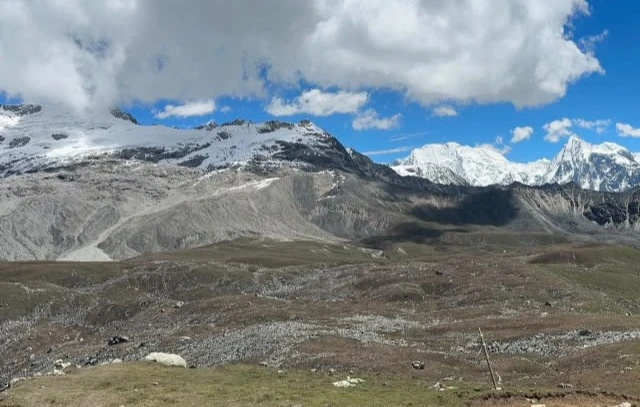
    Diverse Landscapes: Trek through rhododendron and bamboo forests, alongside thundering Rivers and waterfalls, glacial, rocky and hilly valleys, and high alpine pastures where yaks graze, spreading glaciers and windy contours.

    Wildlife: The Langtang National Park is home to various animals and birds, including the Himalayan black bear, wild boars, deer, white langur, snow leopard, Himalayan Tahr, Assam macaque, and elusive red panda. The rare Ibis bill bird, Danphe pheasant, kalij pheasant, Tibetan pheasant, snow cock, Mongoose, etc.

    The best times for the Langtang Trekking

    Autumn (September to mid-December): This is the peak trekking season with stable weather, clear blue skies, and excellent mountain views. Temperatures are generally warm during the day, though mornings and nights can be cold.

    Spring (March to May): This is another excellent season, offering mild temperatures, blooming rhododendron forests, and longer daylight hours.

    Monsoon (June-August): It will be heavily raining, a cloudy environment, River flooding, landslides, and slippery conditions

    Winter (December-February): Cold temperatures; it can be snowy, but a short trek is still
    Itinerary

    Today, visit the UNESCO World Heritage Sites, Swayambhunath Stupa, Bouddhanath Stupa, and Pashupatinath Hindu temple in Kathmandu, and prepare your belongings for the trek in the evening.

    The drive from Kathmandu to Syabrubesi is a roughly 122 km journey that takes approximately 9 hours of time. The journey is a mix of paved blacktop and rough off-road sections. The stretch from Kathmandu to Trishuli is generally in good condition. However, once you pass Trishuli toward Dhunche, the road becomes narrow, steep, and bumpy. This is the primary gateway to the Langtang Valley and the Tamang Heritage Trail.

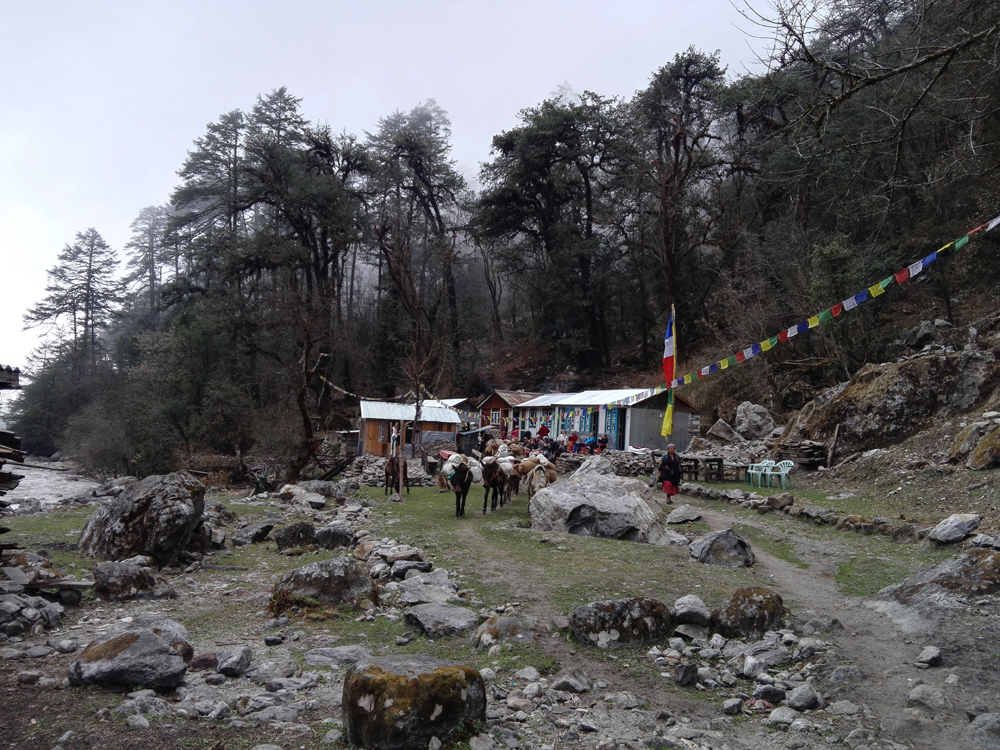
    The trek from Syabrubesi to Lama Hotel is the true beginning of your foot journey into the Langtang Valley. It climbs through lush river gorges and dense forests. It is approximately 12 Km. It takes about 7 hours of trekking. The first hour involves crossing a suspension bridge over the Bhote Koshi and then following the Langtang Khola (river) upstream. The sound of the rushing turquoise water is your constant companion. You will see different kinds of vegetation and wild animals, such as langurs, deer, mongooses, wild bees, and various birds along the way. The trek is not technically difficult, but the riverside trail has many ups and downs that can be tiring for the legs on the first day.

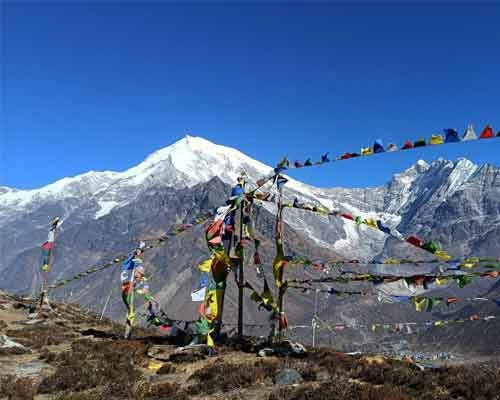
    The trek from Lama Hotel to Langtang Village is about 9 Km. trail. It takes roughly 7 hours from the Lama Hotel to the transforming landscape at Langtang. For the first two hours, you continue through the forest. However, once you reach Ghoda Tabela, the valley suddenly opens up. The dense trees disappear, replaced by wide pastures and the first clear, massive views of Langtang Lirung (7,227m) and some other neighboring mountains. You’ll pass several small streams where the force of the water is used to spin large prayer wheels—a peaceful sight and sound. Also encounter yaks and mules in delivery caravans. Be careful around them in safe sites during your encounter; they may push you down to the rivers or hills

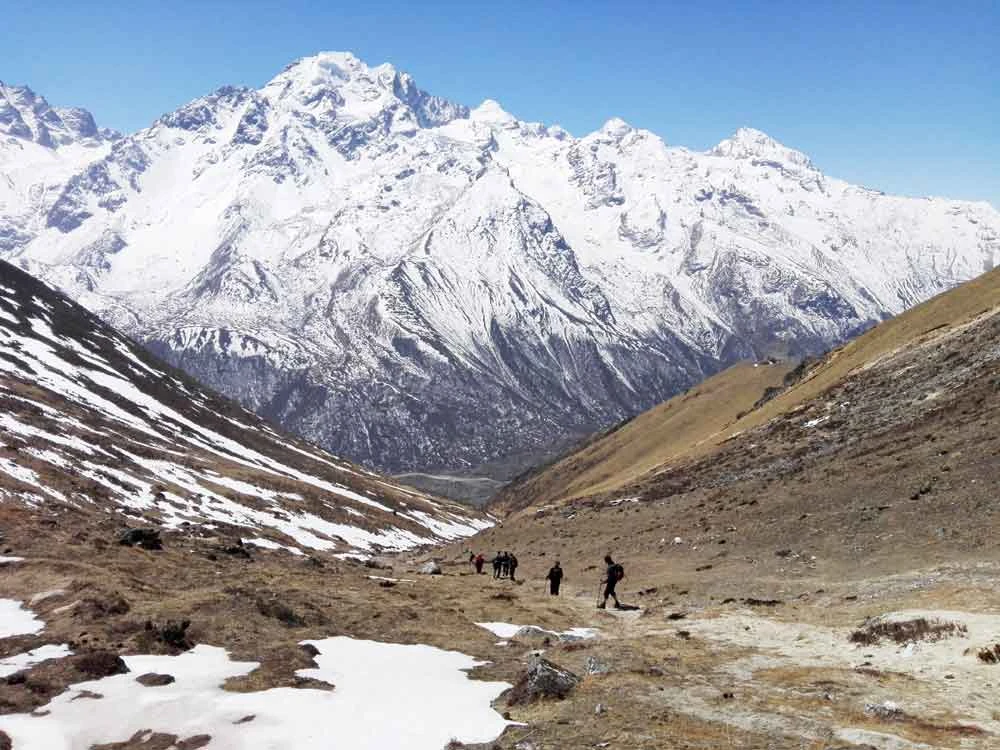
    The walk from Langtang Village to Kyanjin Gomba is arguably the most rewarding stretch of the trek. It’s a shorter day—physically easier on the lungs than the previous days—but visually stunning as you move deep into the heart of the high-altitude glacial amphitheater. The terrain is a gradual, steady incline through wide alpine meadows. The trail is much broader and less "closed in" than the forest sections.

    Shortly after leaving Langtang Village, you will pass one of the longest and most impressive Mani walls in Nepal. The thousands of stones carved with the mantra "Om Mani Padme Hum" are set against the backdrop of snow-capped peaks. Now you enter into the yak’s Country." You’ll see dozens of yaks grazing on the wide valley floor. This area is famous for its yak Cheese and ancient Gomba. After 3 hours of walking, you reach the last village in Langtang Valley called Kyangzin Gomba, which is a bustling little hub of good hotels and lodges, bakeries, and even "the highest lily coffee shop in the region.

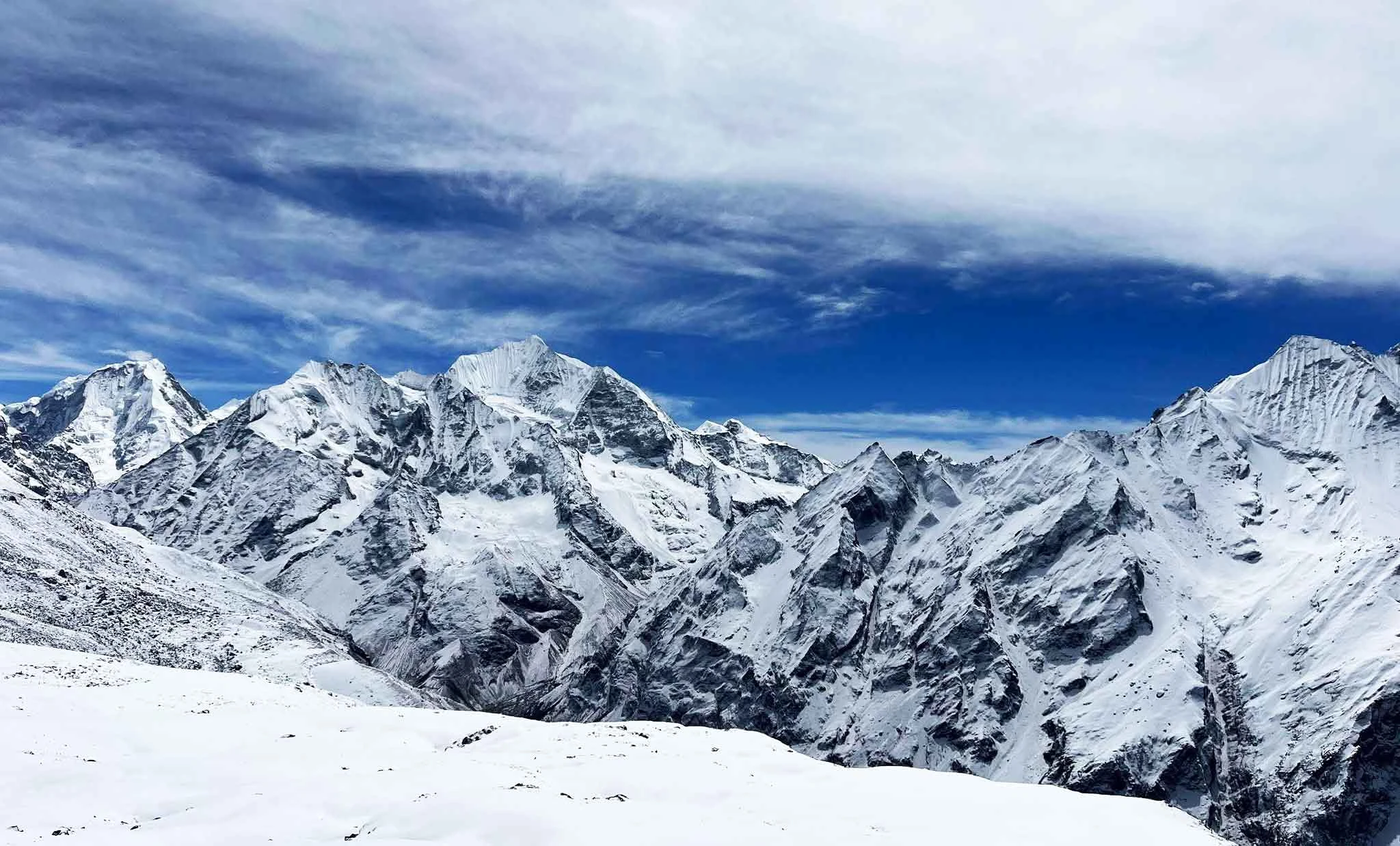
    At noon, you can go to a higher altitude for proper altitude acclimatization. You will find yourself in the center of numerous mountains such as Langtang Lirung, Langtang peak, Dhakpatse peak, Ganjala peak, Gangchhembu, Nayakhang, etc.

    Kyanjin Ri (4,773 m)  is the best Half-Day acclimation hike. The trail starts with a steep, zigzagging path right behind the village lodges. Most hikers hit the "Lower" viewpoint (4,300m) first. If you feel good, push on to the true "Upper" summit. From the top, you will get a breathtaking 360-degree panorama view of the entire Langtang region, mountains, and glacier. 

    There is an optional route for the Tserku Ri hike as well, but it will be very long. So, saving your energy by hiking up to Kyanjin Ri is a better choice.

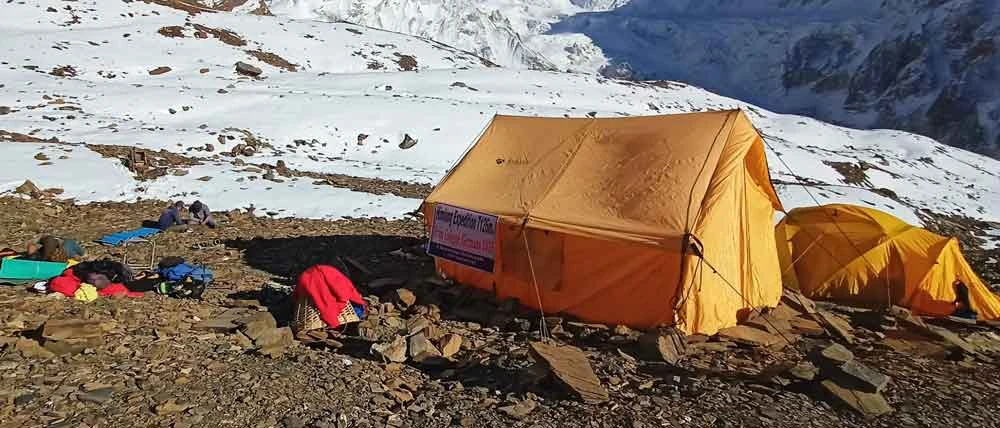
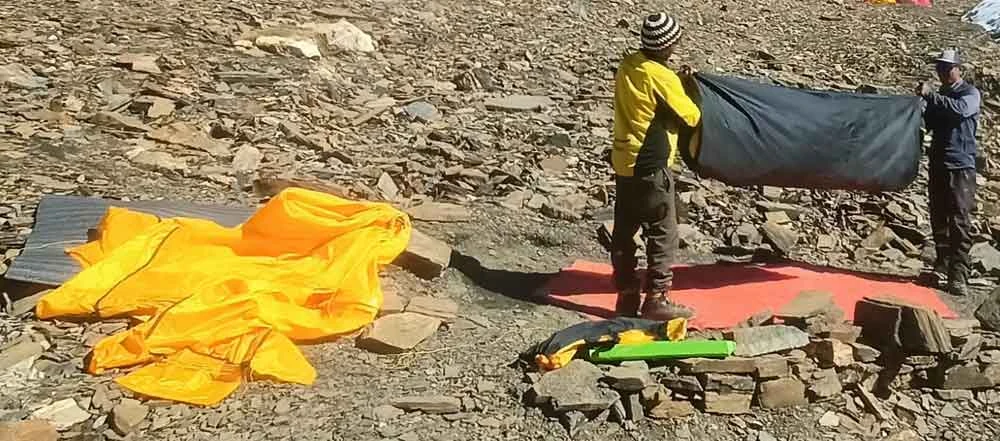
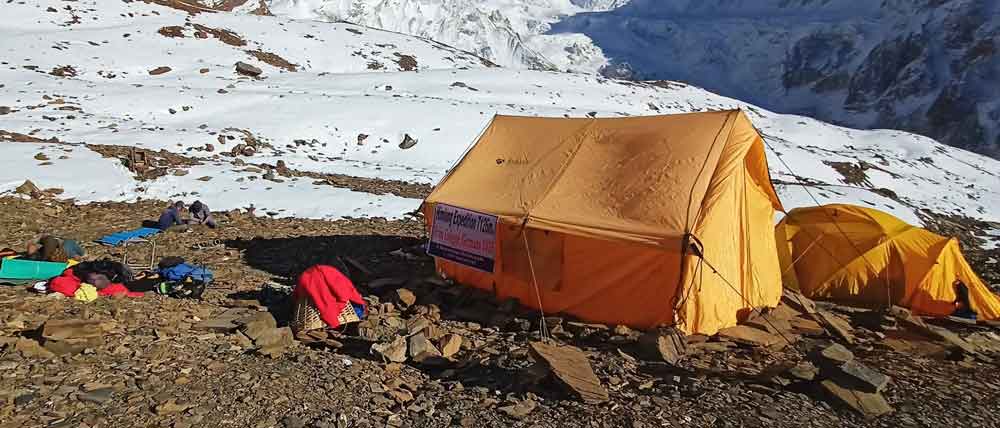
    Today, we make our way toward the main goal of the Yala Peak expedition. We leave the final human settlement in the highlands and head towards the rocky glacier route. With a fantastic view of the pristine glacier and Himalayan peaks, we walk towards the Yala base camp at 4600 meters. There are no teahouse services in the Yala Peak Base Camp, so you must have a tent, your own kitchen team with fully outfitted equipment, and you must stay up there.

    We will reach Base Camp by noon, then set up camp in an appropriate spot; it has plenty of level ground for building private camps. The kitchen team should prepare some warm food. After lunch, we will take a short break and then start the important basic climbing skills training for the Yala Peak climb

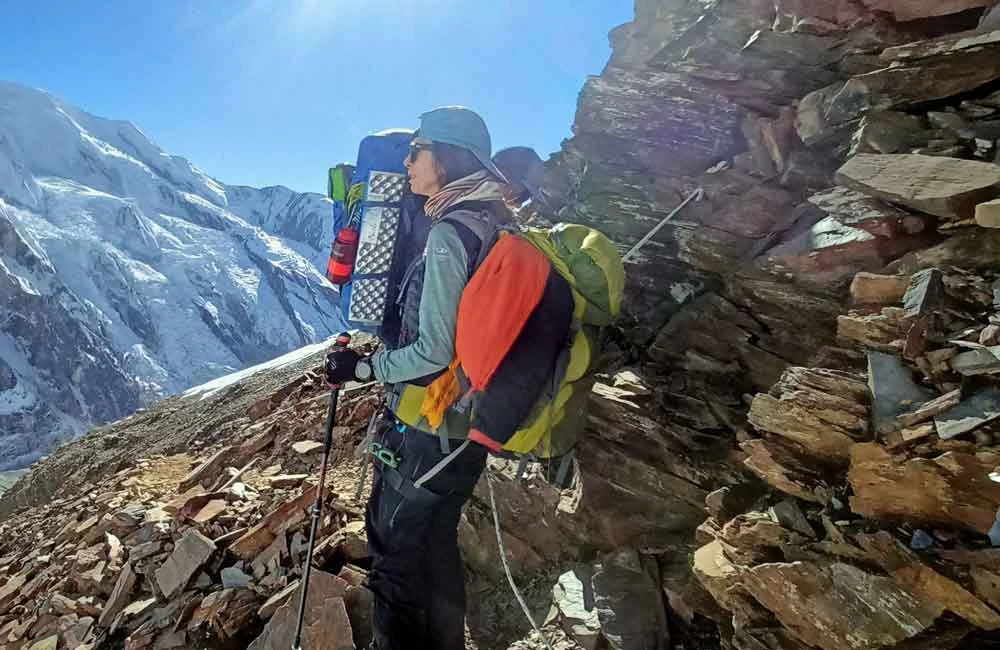
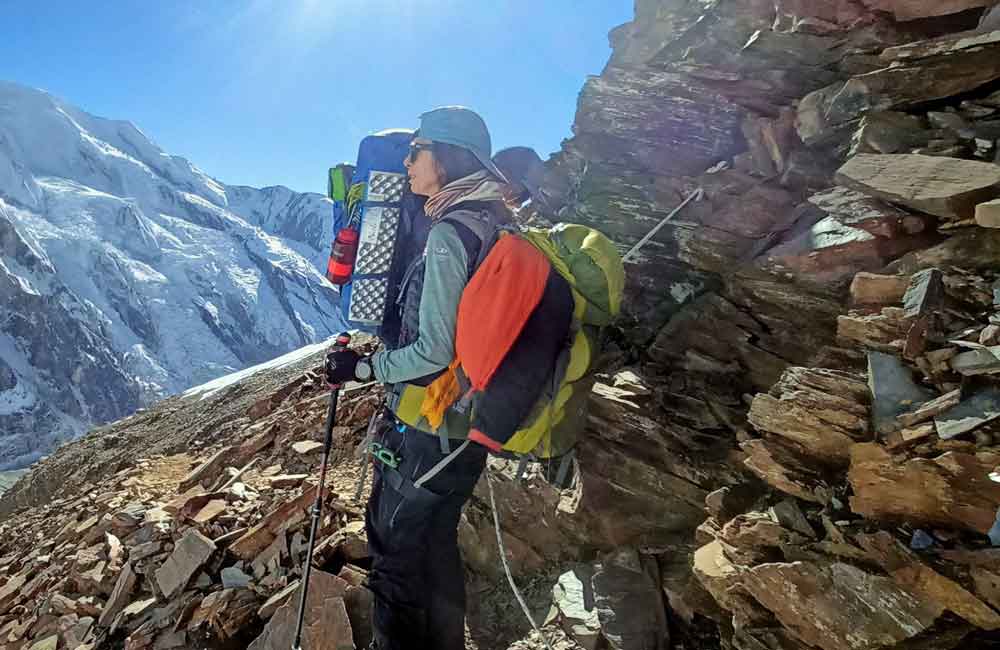
    We leave our camp very early, around 3:30 AM, and climb to Yala Peak. We plan to reach the summit before noon, so the weather is stable. So, pack your backpack (harness, crampons, headlamp, and water bottles) the night before.

    While you are close to the summit, it will be the most challenging. Once we reach the top, we can enjoy a 360-degree view of Shishapangma, Langtang Lirung, Naya Kang, Tserko Ri, Dorje Lakpa, Ganchenpo, Jugal, and many others. Then, we slowly retrace our descent on the south face, getting to the base camp in about two hours.

    After collecting our bags from the base camp, we started walking back to the Kyanjin Gompa for the night’s stay. It’s high time to celebrate the victory

    Returning down to the same trek we came through

    Descend via the same way we came up. Also, there is an optional trail that descends via exploring Sherpagaun and Khangjim villages to Syabrubesi, but that takes quite a long time.

    Drive 8 hours along the Pasang Lhamu Highway

    Cost Details

    Full-service packages: Inclusive Kathmandu hotels, round-trip ground transport, teahouse lodging, all mountain meals, climbing sherpas, and high-altitude base camp camping setups

    • Solo Traveler: $ 1,900 USD
    • Small Group (2- 3 people): $ 1,650 USD per person
    • Group of (4 - 8 people): $1,600 USD per person
    • Group of ( 9+ People): $ 1,100 per person
    Useful Info

    1. Difficulty of Yala Peak in Nepal

    Yala Peak is situated in the Langtang region of Nepal. It is among the many treks and climbs that are available and which offer a moderate level of difficulty. This hike is not as technical as some of the higher mountains in this region. These require a good fitness level and some basic mountaineering skills as well. The ascent process involves proceeding through rocky landscapes and annoying snow troughs that might be slippery and deep at certain times.

    2. Some walking and climbing techniques:

    • Prepare adequate hydration sources and energy food for the summit.
    • Maintain an "Alpine Pace." Walk at a slow, rhythmic, almost robotic pace. If you are breathing too hard to speak a short sentence, you are moving too fast.
    • Layer down before you sweat. Sweating leads to hypothermia once you stop moving. Start with a breathable base layer and mid-layer, keeping your heavy down jacket handy for rest stops and the summit.
    • Protect your extremities. Wear thin liner gloves under heavy mountaineering mitts. If your fingers go completely numb, stop immediately and warm them up
    • Step carefully on the scree. The lower section of the peak consists of loose rock; test your footing before putting your full weight down to avoid slipping backward and wasting energy.

    3. Key Hidden Costs to Anticipate

    • Climbing Gear Rental: If you choose not to pack your own heavy equipment, renting personal mountaineering gear (crampons, plastic mountaineering boots, ice axe, and harness) in Thamel (Kathmandu) or Kyanjin Gompa costs roughly $50 – $100 USD for the duration of the climb.
    • Travel Insurance: Make sure your emergency medical policy specifically includes mountaineering/climbing up to 6,000 meters and mandatory helicopter search and rescue evacuation. This premium generally averages $150 – $250 USD.


    Similar Packages