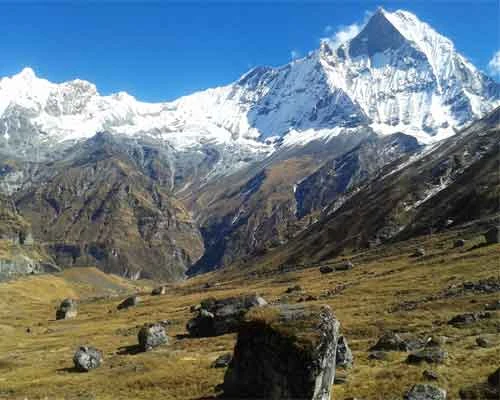
Annapurna Panorama Foothills Trek Itinerary

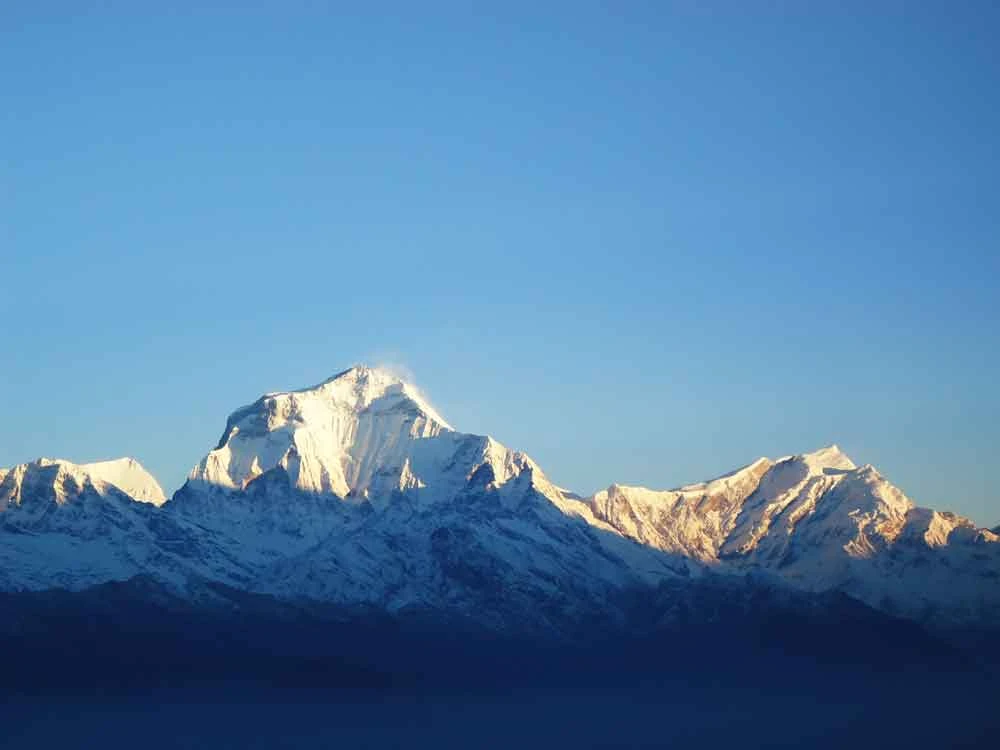
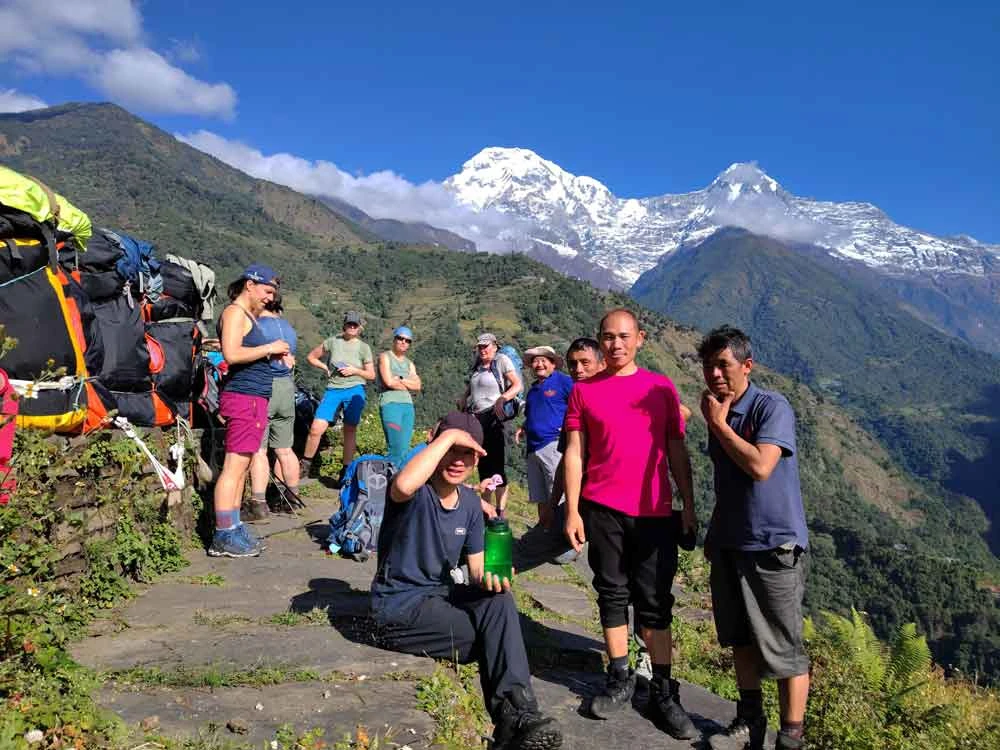
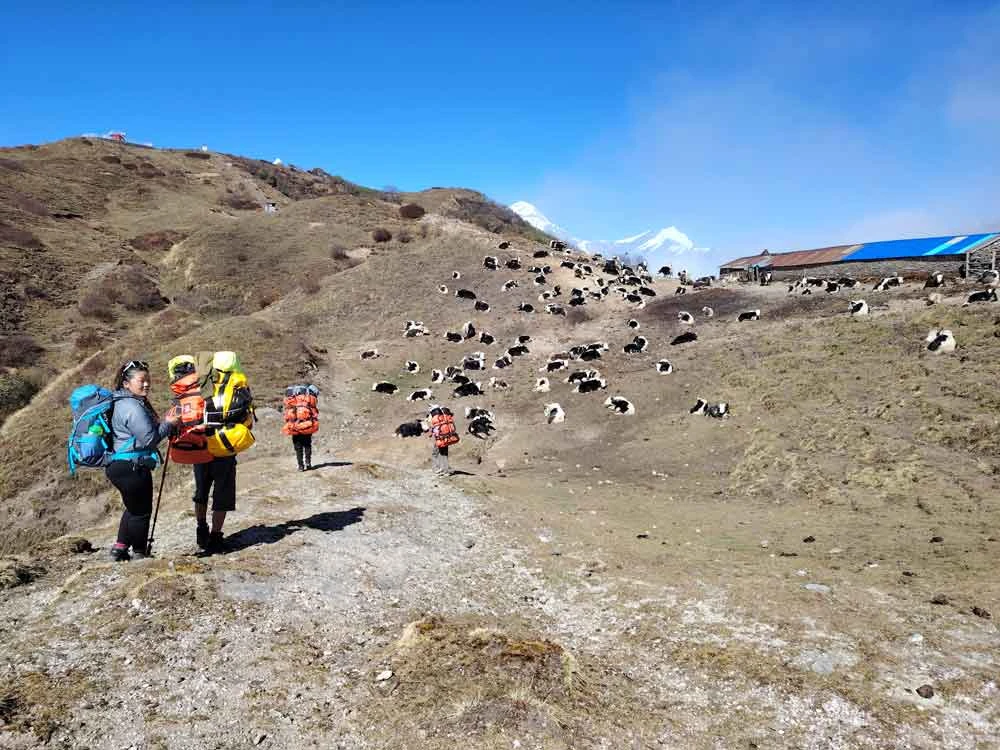
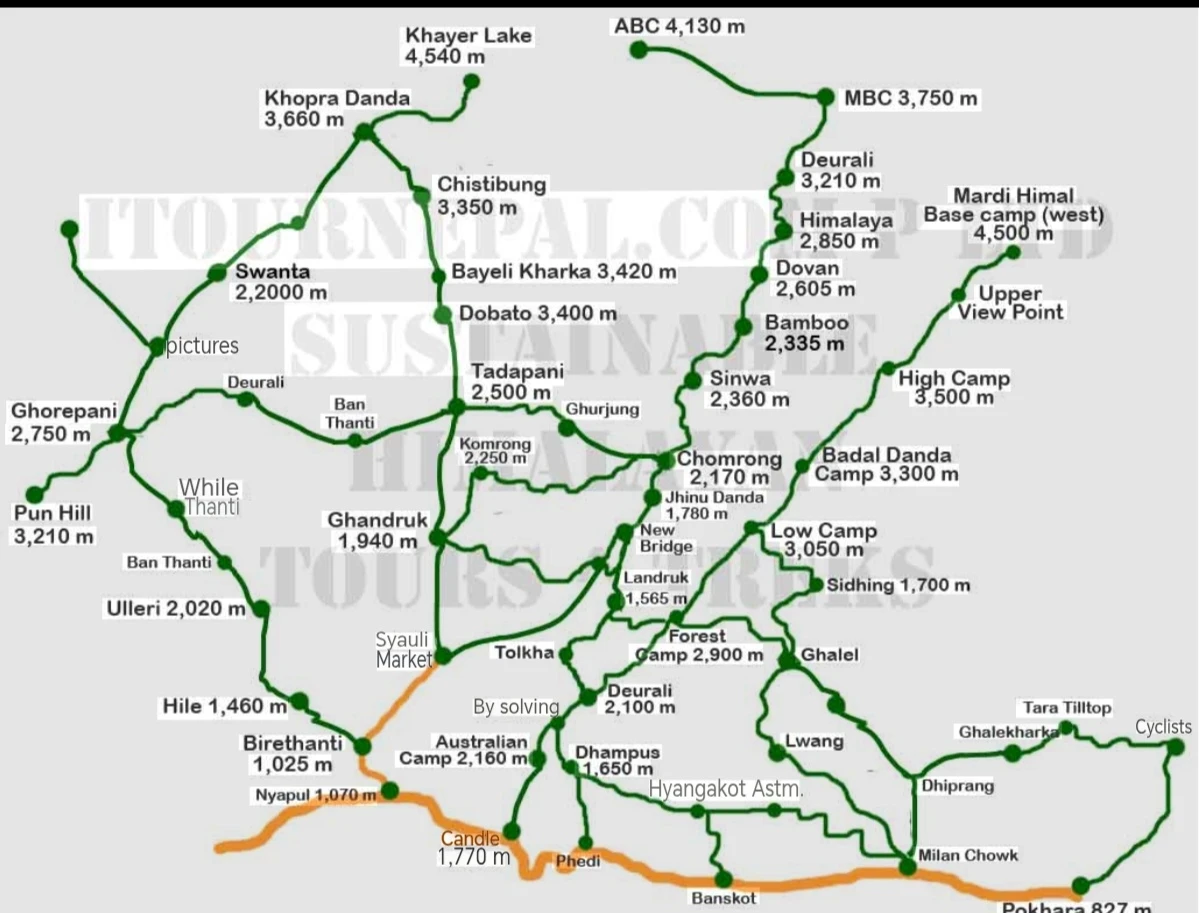
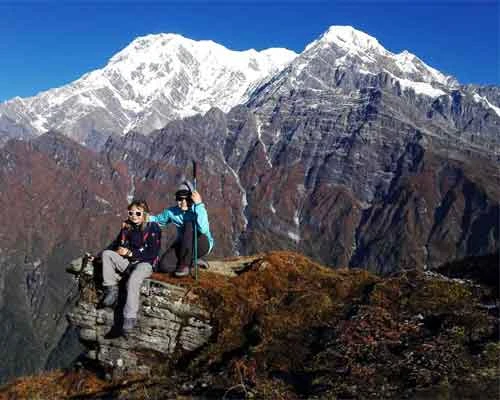
The new Annapurna foothills offer a variety of wonderful trekking options. This trek is presented via the front yard of the Annapurna range to Dhaulagiri vistas over the vantage viewpoint of Mardi Himal Base Camp (4500m), Muldhe Danda (3500m), Poonhill viewpoint (3200m), and Mohare Danda viewpoint (3300m). The trek goes through a primitive, unbeaten path, amazing rural peaceful villages, deep nature, almost out of tourist influence, with basic infrastructure.
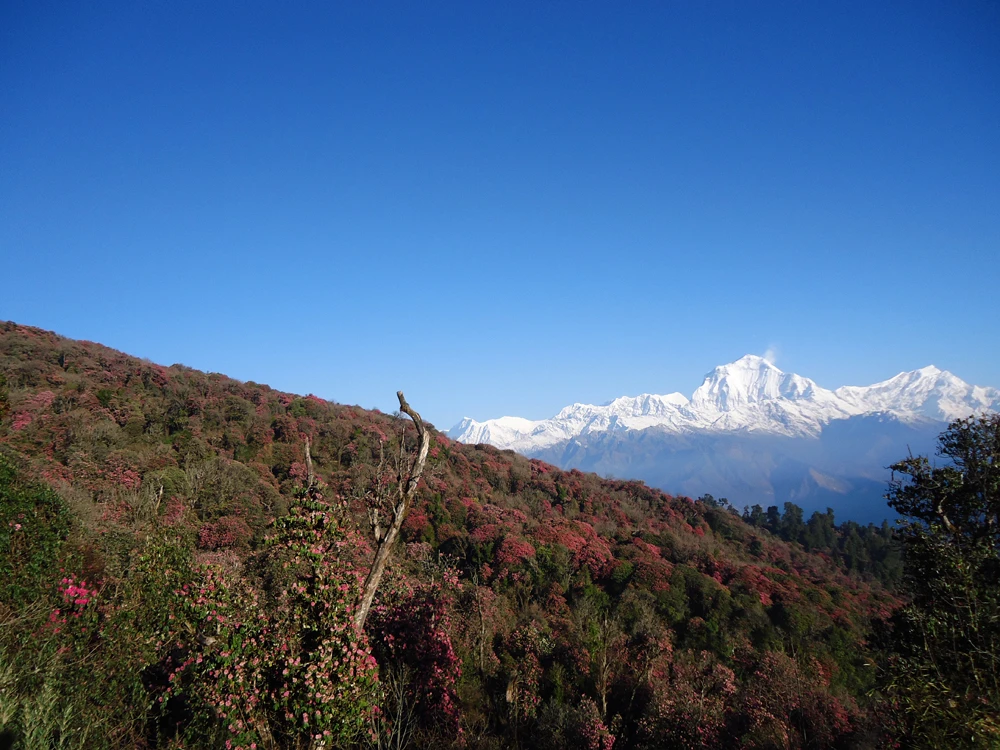
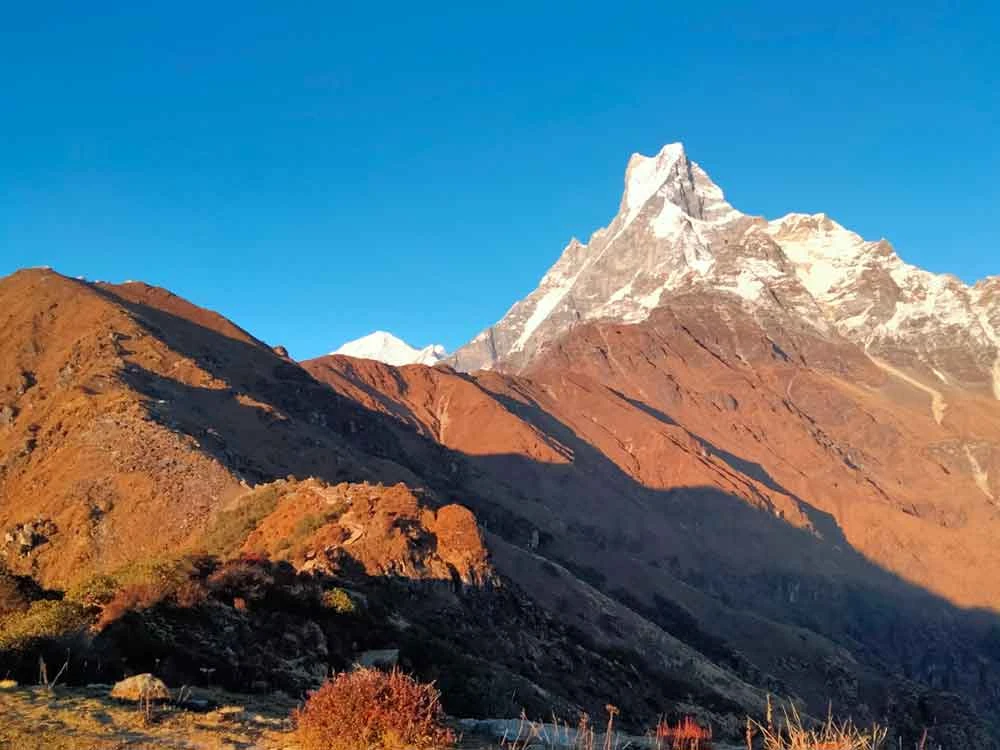
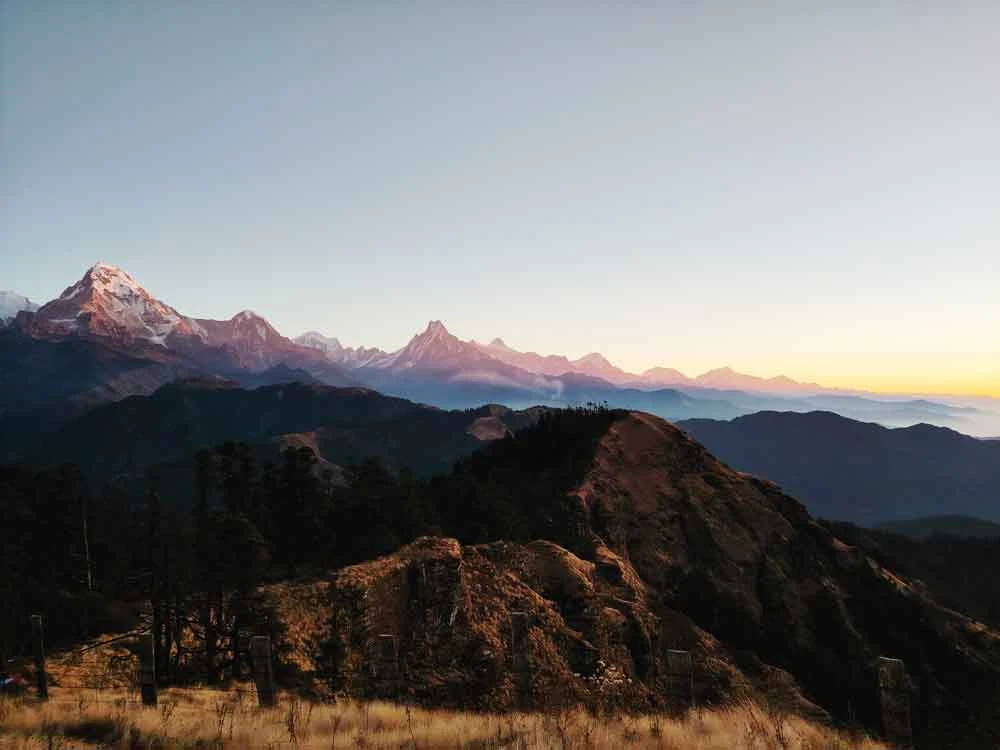
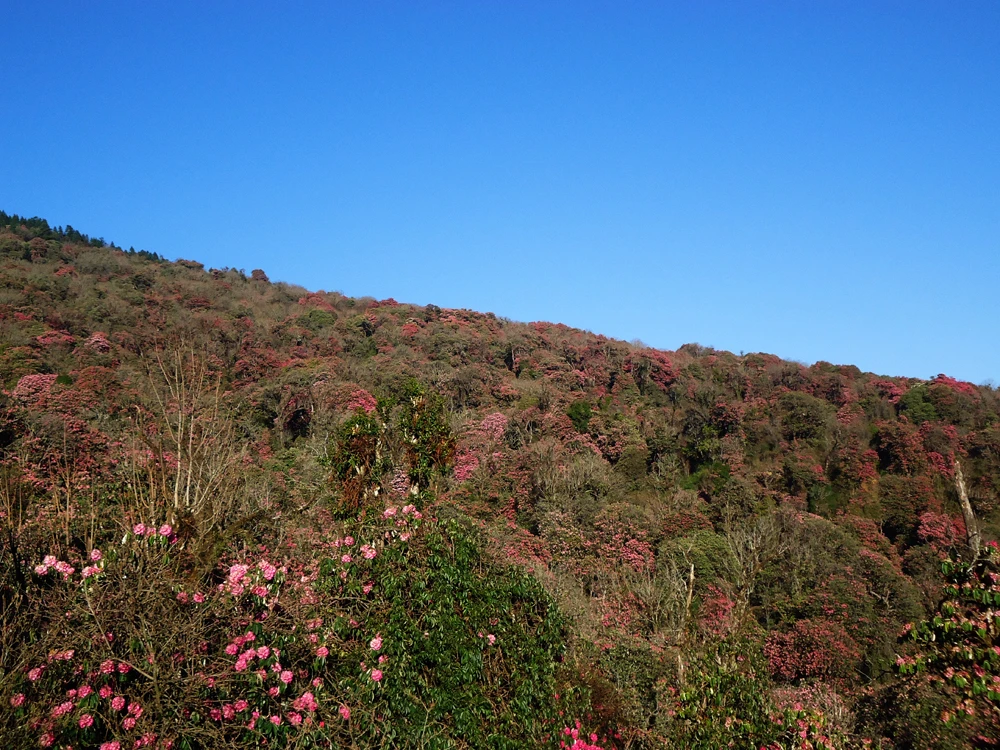
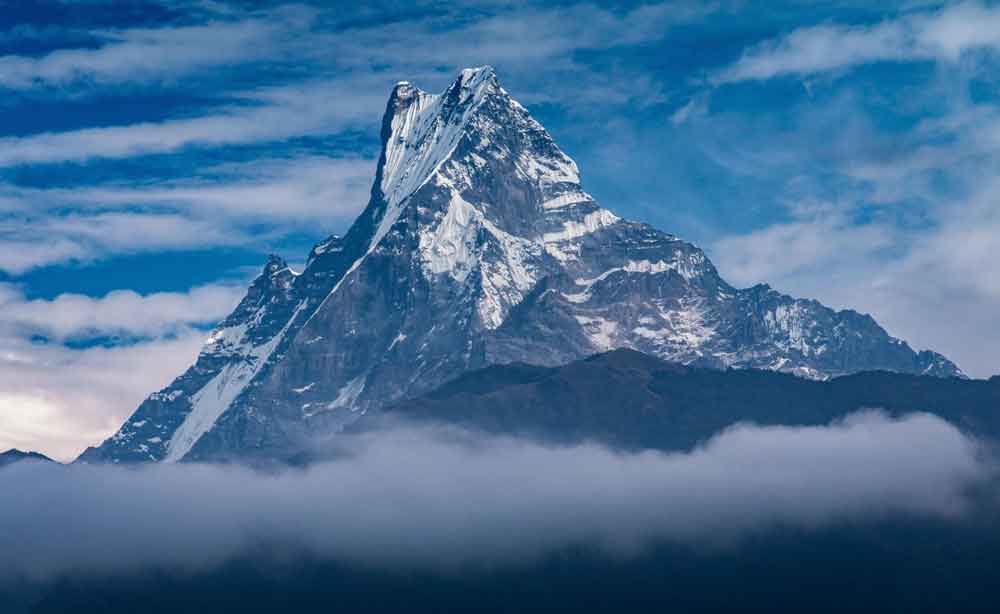
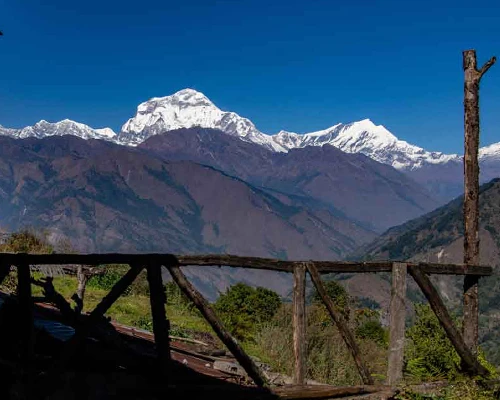
The Annapurna foothills trek is suitable for people of all physical levels. As well as adventure outfitter lovers, short trekking makers, Christmas and New Year's celebration hikers, family trip planners, or for the mystic rhododendron blossom trek in spring. Occasionally, this trek joins the classic route to Annapurna Base Camp and Ghorepani Poonhill, then follows through the deep alpine rhododendron, Fir, Hemlock, and Himalayan bamboo forest. The trail mostly leads into the Annapurna Conservation Area. So, we will have chances to watch different kinds of wildlife. The spellbound alpine landscape, skyline series of beautiful meadows, eight-thousand-meter Mountains such as Mt. Dhaulagiri I, Annapurna I, Manaslu I, and holy Mt. Fishtail with several snow-capped peaks. Wide and gorgeous valleys, natural hot springs, a long suspension bridge, and higher Shangri-La views from Mardi Himal are lifetime rewards in the Annapurna Balcony.
If you have limited time or may not want to trek or adapt the trek further, then you can shorten or lengthen the trek as you desire. This trek provides several options for rejoining the different treks or ending the trek in the Queen City of Pokhara, and a relaxing time ahead.
Important features of the new Annapurna foothills Trekking
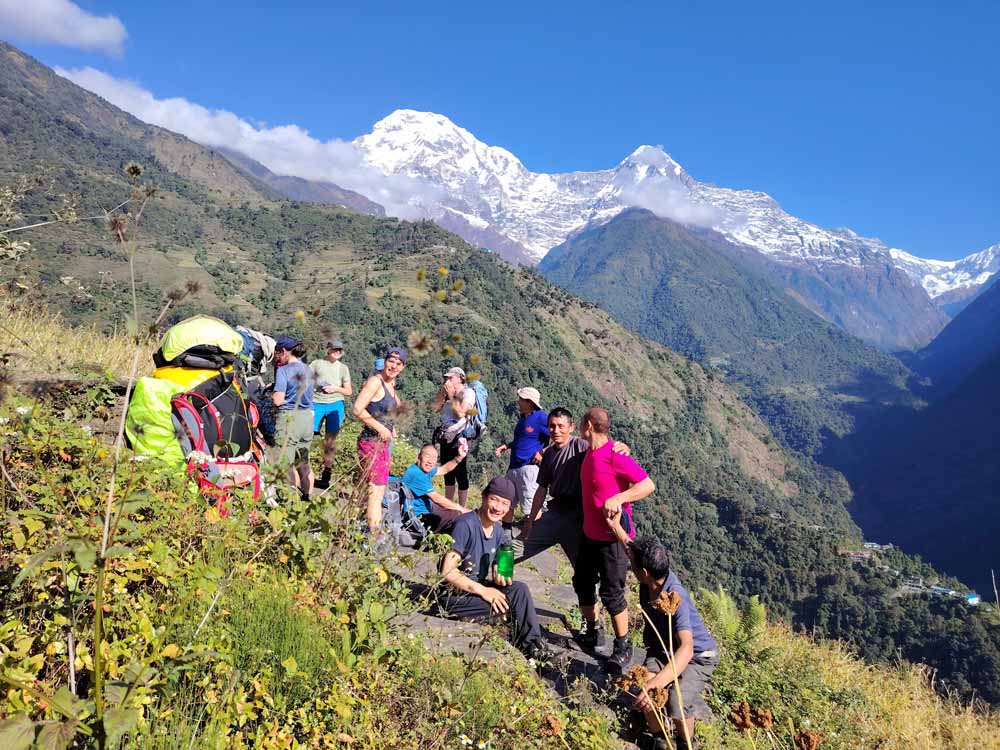
Landscape & temperature: There are amazing landscapes on this trek; it is a very comfortable temperature, and a green region. Very beautiful hills and hillocks, wide ranges of high mountains with beautiful and regionally dominant viewpoints like Mardi Base Camp, Muldhe viewpoint, Poon Hill viewpoint, Majestic Mohare Danda viewpoint, and Falate Danda viewpoint. Horizontal meadows and wide valleys with perfect temperatures. Normally you will have the most favourable temperature on this trip.
Duration:The new Annapurna foothills trekking and tour is 16 days in our trip Plan. One full day drive from KTM to Pokhara, one full day drive from Pokhara to KTM. Two nights in KTM and two nights of hotel accommodation in PKR, and 12 nights 13 days for trekking; you can lengthen the trip according to your schedule.
Permits:You need Annapurna Conservation Area Project permits and a TIMS permit, including trekking insurance for your trekking crew. The permit costs approximately USD 30 for foreigners (non-SAARC nationals) and USD 10 for SAARC nationals.
Walking Trails:The trail often goes through the dense rhododendron forest, ancient typical cultural villages, waterfalls, staircases, wilderness, ridges, several viewpoints, crosses several suspension bridges, wild bees, natural hot springs, zig-zags up and down, traditional Chautaras, and passes several river streams and pastures.
Best time to trek in the New Annapurna foothills area

The new Annapurna foothills route can be trekked year-round, but the spring (March to May) and autumn (September to January) seasons offer the best conditions:
Autumn (September - November): Widely considered the best time. The weather is generally stable, with clear skies, comfortable temperatures, and excellent mountain views. Trails are not dusty, and the nights are clear for stargazing.
Spring (March - May): Another excellent period. You'll witness blooming rhododendrons all around the widely spread forests and other wildflowers, with pleasant temperatures and good visibility.
Winter (December - February): It is possible to trek around this area. There will be clear skies, good visibility, and fewer trekkers. Warm gear is necessary for the Morning and for the night.
Monsoon (June-August): We do not recommend this trek due to heavy rainfall, muddy and slippery trails, leaches in the grass, flooded river streams, limited visibility, and the risk of landslides. Also can be stocked the road by landslides.