Muldhe-Poonhill-Mohare Danda-Banskharka Trek: An Off-the-Beaten-Path Eco-Trekking

The Mohare Danda–Banskharka Trek is a relatively new and less-traveled eco-trekking destination nestled in the foothills of the magnificent Annapurna and Dhaulagiri mountain ranges. This unique and affordable trekking experience is ideal for families, nature lovers, adventure seekers, and travelers with limited time who wish to explore the authentic beauty of rural Nepal.
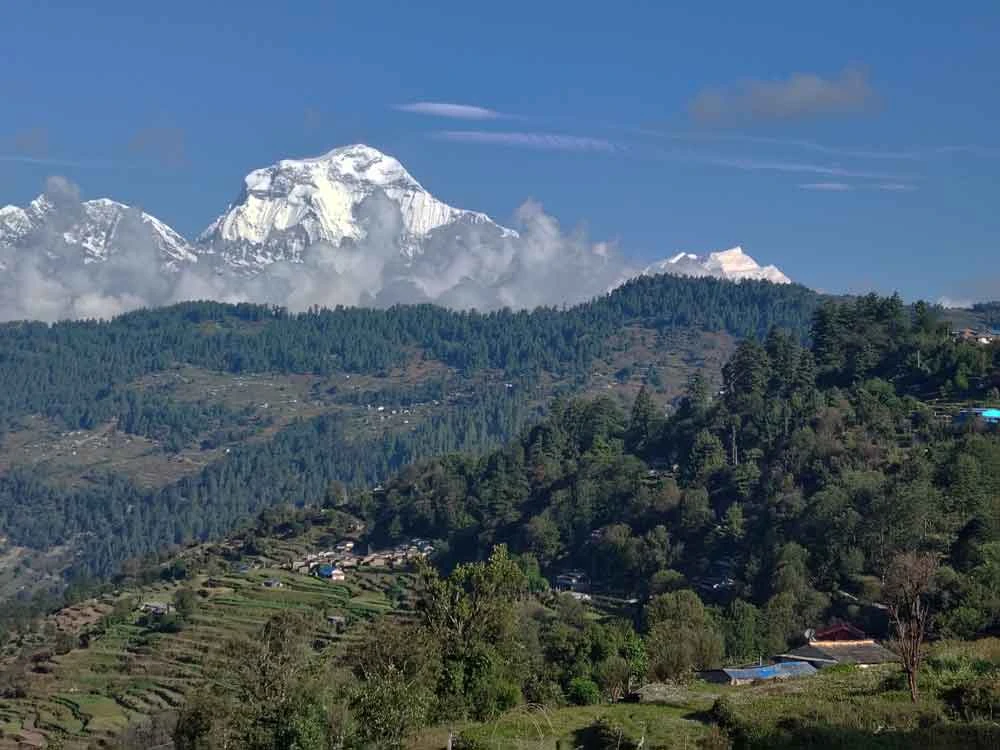
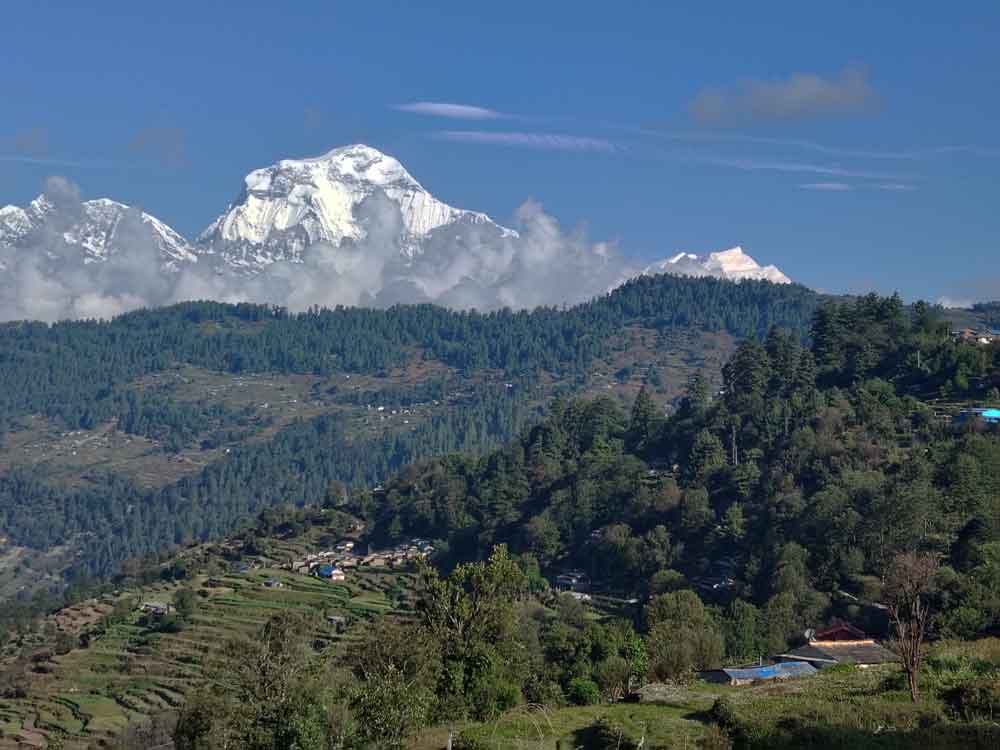
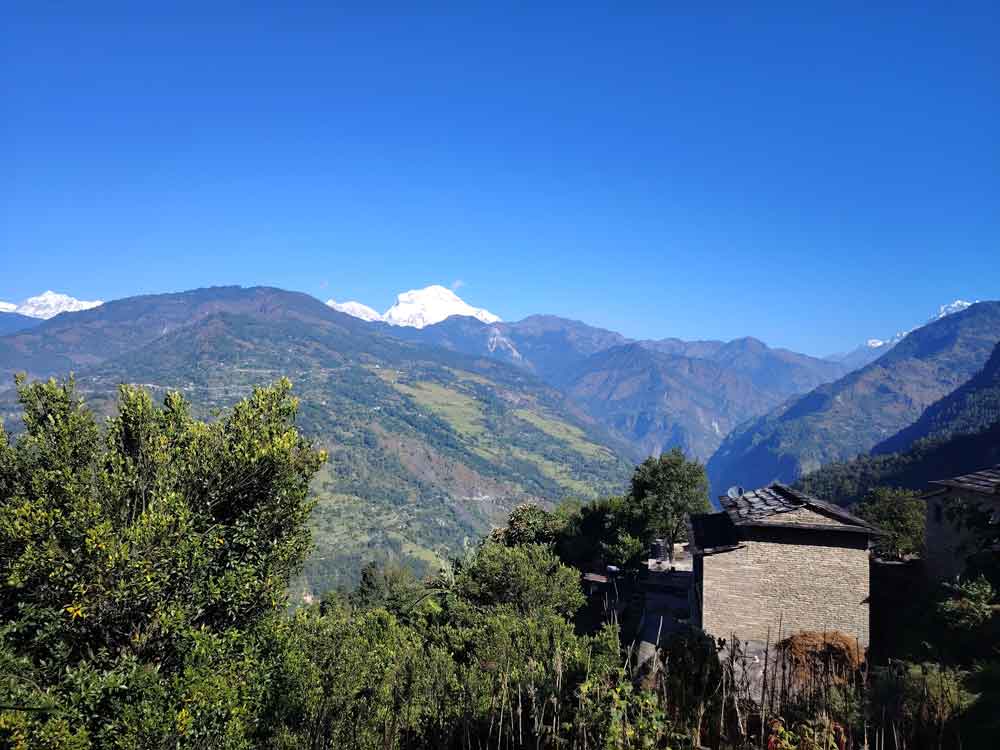
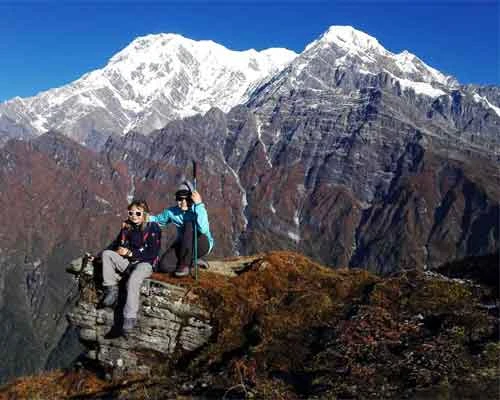
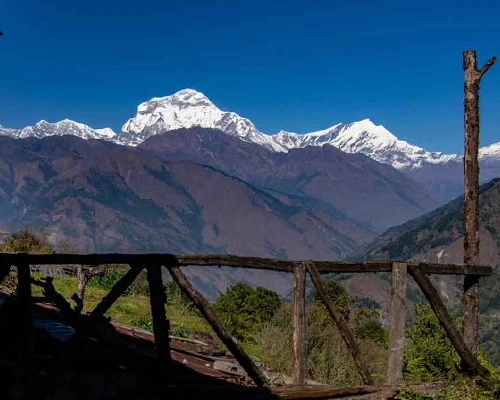
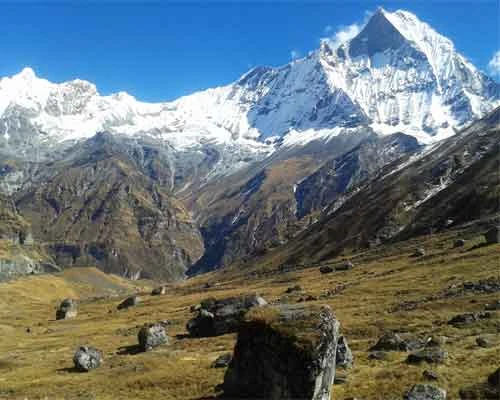
The trek offers an exceptional opportunity to experience unspoiled natural surroundings, traditional village lifestyles, and the rich cultural heritage of Nepal's diverse ethnic communities. One of the major highlights is the breathtaking panoramic Himalayan scenery from Mohare Danda, where spectacular views of the Annapurna and Dhaulagiri ranges create unforgettable memories.
The trail passes through settlements inhabited by different ethnic communities, beginning in traditional Gurung villages, continuing through the Poon Magar communities, and eventually reaching areas with a diverse mix of ethnic groups and cultures. Along the way, trekkers can experience the warmth of local hospitality, traditional customs, and the simple yet fascinating lifestyle of mountain communities.
Much of the trekking route follows beautiful ridgelines and forest trails, passing through lush rhododendron, pine, bamboo, hemlock, fir, and other alpine vegetation. The peaceful walking paths lead past ancient grazing pastures, traditional Deurali resting places on hilltops, and historic Chautaras (traditional resting platforms). These natural and cultural features add a distinctive charm to the journey.
The Mohare Danda–Banskharka Trek is generally considered a relatively easy and enjoyable trekking experience, with several sections following gentle downhill and ridge-top trails. Trekkers can immerse themselves in pristine rural landscapes, refreshing mountain air, beautiful forests, and spectacular Himalayan panoramas while enjoying a peaceful escape from crowded trekking destinations.
Touren Nepal Treks has developed an alternative walking trail along the scenic ridgelines to provide a more peaceful and enjoyable trekking experience. Rather than following the traditional village routes, which have increasingly been affected by expanding road networks, this alternative trail allows trekkers to enjoy quieter forest paths and natural surroundings. In many villages, road construction and vehicle traffic have significantly changed the traditional walking trails, creating dust and noise that can reduce the enjoyment of trekking. The newly developed route helps preserve the tranquility and natural appeal of the journey across the several primitive villages.
Who Can Enjoy the Mohare Danda Trek?
The Mohare Danda–Banskharka Trek is suitable for a wide range of travelers, including children, adults, senior citizens, students, families, and nature enthusiasts. It is also an excellent choice for yoga and meditation retreats, wellness holidays, educational research, and refreshing nature escapes.
Despite being relatively close to the city and requiring only a short trekking period, the route offers an authentic Himalayan experience away from the more crowded trails. However, we do not recommend undertaking this trek independently without proper guidance. Some sections pass through dense forests, where trails can be confusing, and it is easy to lose direction. Trekking with an experienced local guide is therefore strongly recommended for a safe, enjoyable, and rewarding journey.
The Mohare Danda–Banskharka Trek is more than just a mountain walk; it is an opportunity to connect with nature, discover traditional village cultures, and experience the peaceful beauty of Nepal's rural Himalayas.
Best time to trek into the Mohare Danda-Banskharka Trek
The Annapurna foothills route can be trekked year-round, but the spring (March to May) and autumn (September to January) seasons offer the best conditions:
Autumn (September - November): Widely considered the best time. The weather is generally stable, with clear skies, comfortable temperatures, and excellent mountain views. Trails are not dusty, and the nights are clear for stargazing.
Spring (March - May): Another excellent period. You'll witness blooming rhododendrons completely around the widely spread forests and other wildflowers, with pleasant temperatures and good visibility.
Winter (December - February): It is possible to trek around this area. There will be clear skies, good visibility, and fewer trekkers. Warm gear is necessary for the Morning and for the night.
Monsoon (June-August): We do not recommend this trek due to heavy rainfall, muddy and slippery trails, leeches in the grasses, river streams will be flooded, limited visibility, and the risk of landslides. Also can be blocked the road by a landslide.