Round Annapurna Trek: An Epic Himalayan Adventure Across Thorong La Pass

The classic Round Annapurna Trek, also known as the Annapurna Circuit Trek, is one of the world's most popular and rewarding Himalayan adventures. Famous for its spectacular mountain scenery, diverse landscapes, rich cultural heritage, and the legendary Thorong La Pass (5,416 m), this trek is a dream destination for trekkers, climbers, nature lovers, and adventure enthusiasts from around the globe.
The Annapurna Circuit offers an incredible journey through different climatic zones, beginning in warm, subtropical surroundings with lush green hills, terraced agricultural fields, and picturesque villages before gradually ascending into the magnificent high Himalayas. Although road construction has changed parts of the traditional trekking route, alternative walking trails remain available, allowing trekkers to experience the region's natural beauty and traditional mountain lifestyle.
In the past, completing the entire Annapurna Circuit required approximately three to four weeks. However, improved road access has made shorter itineraries possible. Depending on available time, fitness, acclimatization, and personal preferences, trekkers can complete a shorter version of the circuit or extend their adventure to explore more of the Annapurna region.

Incredible Landscapes, Culture and Mountain Experiences
The Annapurna Circuit Trek offers much more than spectacular mountain views. It is an extraordinary journey through Nepal's natural beauty, traditional cultures, ancient history, geography, and diverse ethnic communities.
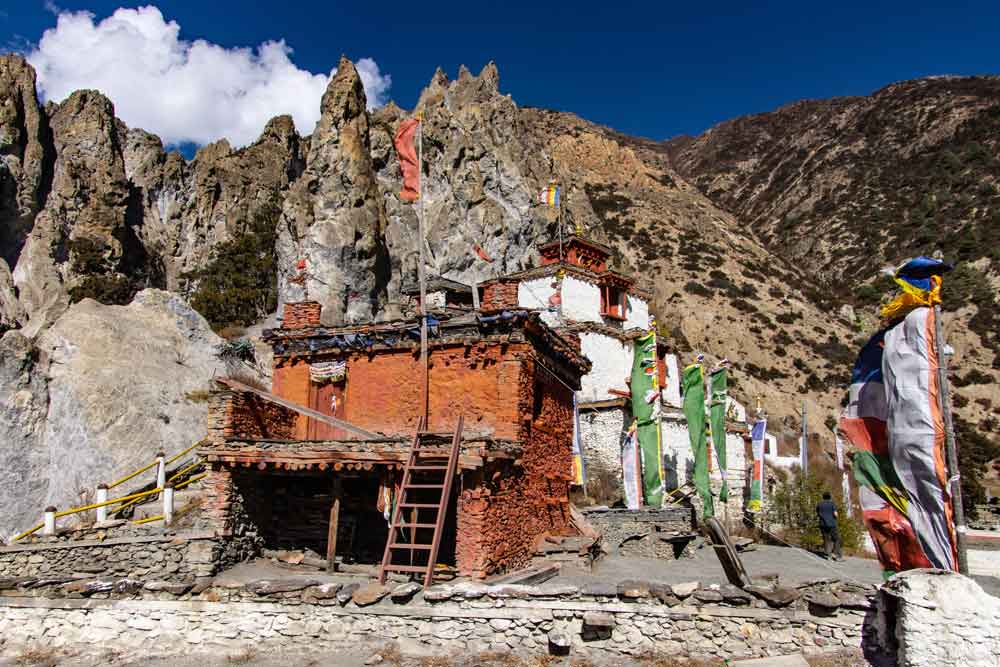
The trail begins among lush green hills, terraced farmlands, rivers, waterfalls, and traditional villages before entering the dramatic, arid landscapes of Manang and Mustang. Along the way, trekkers cross suspension bridges, walk through picturesque mountain settlements, visit sacred temples, monasteries, stupas, chortens, and caves, and experience the warm hospitality of local communities.
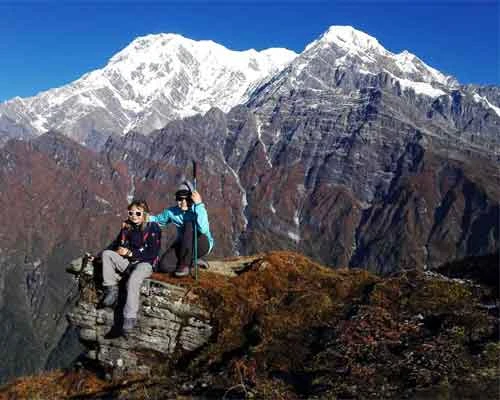
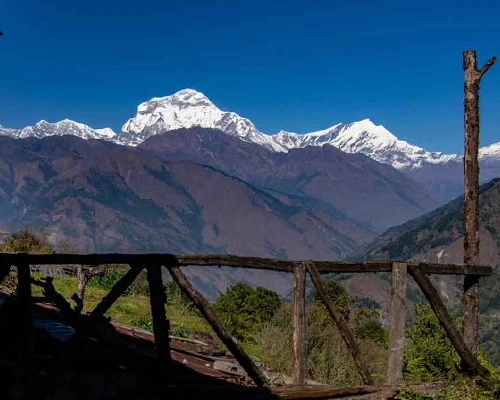
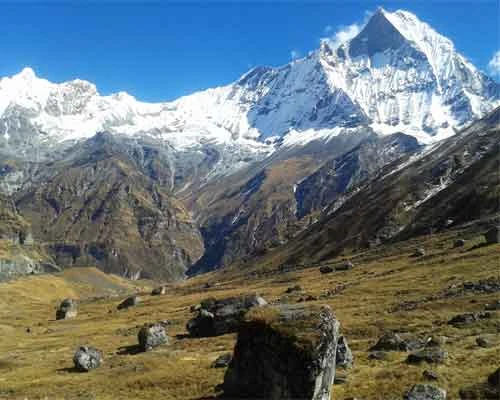
The highlight of the adventure is crossing the magnificent Thorong La Pass at 5,416 meters, one of the highest trekking passes in the world. From the pass, trekkers can enjoy breathtaking views of the surrounding Himalayan peaks and experience an unforgettable high-altitude adventure. Other memorable attractions include enormous glaciers, snow-covered mountains, alpine pastures, beautiful yaks, high-altitude lakes, and fascinating Himalayan wildlife and vegetation. Staying in traditional mountain lodges and enjoying local food and hospitality makes this journey even more rewarding.

How to Get to the Annapurna Circuit Trek Starting Point
The journey generally begins with a scenic drive from Kathmandu to Besisahar by public bus or private vehicle. From Besisahar, local four-wheel-drive jeeps operate towards Chame and Manang, depending on road conditions.
We recommend starting the trek from Jagat or Chame rather than driving directly to Manang. Gradually gaining altitude allows your body to adjust to the changing elevation and reduces the risk of acute mountain sickness (AMS).
Private four-wheel-drive vehicles can travel from Kathmandu towards Jagat or Chame, depending on road accessibility. Although reaching Manang (approximately 3,500 m) by vehicle may be possible, we do not recommend ascending directly to this elevation without proper acclimatization. A gradual ascent with appropriate rest days is essential for a safer and more enjoyable trekking experience.
Best time to trek into the round Annapurna
The Annapurna Circuit can be trekked year-round, but the spring (March to May) and autumn (September to November) seasons offer the best conditions:
Autumn (September - November): Widely considered the best time. The weather is generally stable, with clear skies, comfortable temperatures, and excellent mountain views. Trails are not dusty, and the nights are clear for stargazing. However, it's very crowded.
Spring (March - May): Another excellent period. You'll witness blooming rhododendrons and other wildflowers, with pleasant temperatures and good visibility. Crowds are generally slightly less than in autumn.
Winter (December - February): Possible for trekking but challenging. The higher elevations will be covered with high snow and can be extremely cold. The pass might even be closed due to heavy snowfall. Requires extra gear (warm layers, crampons, thick sleeping bag) and an extra porter.
Monsoon (June-August): We do not recommend this trek due to heavy rainfall, muddy and slippery trails, river streams will be flooded, limited visibility, and the risk of landslides. Some lower sections might be trekked, but the high pass is generally avoided.