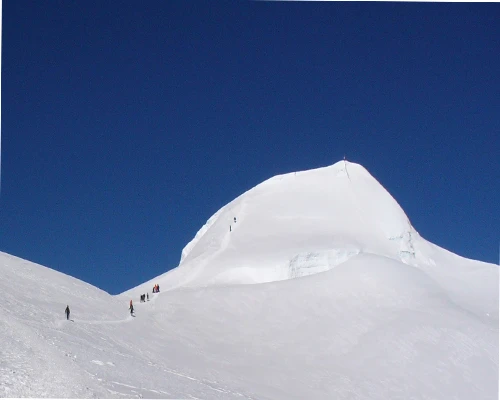
Luxury Trek in the EverestLuxury Trek in the Everest

Luxury Everest Panorama Trek – 14 Days

  • Duration14 Days
  • DestinationNepal
  • Difficulty Thrilling Trekking
  • Max Altitude 5000m
  • Activity Trekking- Excursion
  • Accommodation Comfortable hotel in KTM & comfort Yeti home resort on trekking
  • Meals Breakfast, Lunch & dinner as per own choices
  • Transportation Private vehicle and domestic flight or helicopter to and from Lukla
  • Best Season March-April- May/ September-October- December
Overview
Trip Highlights
  • Guided Sightseeing tour around the world heritage sites and trekking,
  • Private vehicle to and from Ramechaap, domestic flight to and from Lukla,
  • Following the footsteps of the legendary climbers,
  • Himalayan wildlife
  • Visiting Everest view hotel 3709 m, hidden village Khumjung and Khunde,
  • Enormous scenic and definitive Himalayan trek via breathless high alpine landscapes.
  • Astonishing Views of the Everest 8,848m, Lhotse 8,516m, Lhotse Shar 8,383m, & several otherothertains.
  • Picturesque Sherpa villages, legendary Thame village, mane walls, and bridges
  • Buddhist culture, traditions, Monastery, Lungdars, stupas, and chortens
  • Luxury blended accommodations with a delicious food menu in the mountains,
  • Kneed and clean open dining room with fire heater,
  • Hot showers and comfortable toilets

Luxury Everest Panorama Trek

everst

The Luxury Everest Panorama Trek is a short yet remarkable Himalayan adventure, offering a comfortable trekking experience with premium accommodation throughout the journey. Although the route follows the same legendary trails used by regular trekkers, the main difference lies in the quality of accommodation and services. While most trekkers stay in basic mountain lodges, you will enjoy the comfort and hospitality of the renowned Yeti Mountain Homes.

This exclusive trekking experience perfectly blends Himalayan adventure with luxury. Explore the breathtaking landscapes of the world's highest mountains while discovering the traditional lifestyle, rich culture, and charming villages of the famous Sherpa community.

Despite its luxurious accommodation, this trek demands approximately 6 to 13 kilometers of walking each day, depending on the itinerary and altitude. The trail passes through traditional Sherpa settlements, ancient yak pastures, beautiful alpine forests, Sagarmatha National Park, and spectacular highland landscapes, offering an authentic insight into life in the Everest region.

Throughout the journey, you will stay at luxurious Yeti Mountain Homes, renowned for their exceptional hospitality and comfortable mountain accommodation. These lodges offer much more than the basic facilities available at regular trekking lodges. Their distinctive alpine-style gardens, traditional interiors, private rooms, and warm, welcoming atmosphere create a relaxing retreat in the heart of the Prime Himalayas.

After a rewarding day on the trail, you can unwind beside a warm fireplace in the dining area, enjoy a refreshing hot shower and savor delicious meals prepared with a selection of local and international dishes. The lodges also offer a variety of beverages and bar facilities, adding an extra touch of comfort and enjoyment to your Himalayan holiday.

The Luxury Everest Panorama Trek is an ideal choice for travelers who wish to experience the authentic adventure of legendary trekking in the Everest region without compromising on comfort, quality accommodation, and personalized hospitality.

Itinerary

Upon arrival at Tribhuwan International Airport, you will be greeted with flower garlands and driven to your hotel in Kathmandu. Trip briefing in the evening with a welcome dinner by the same time, we will collect necessary documents for trekking permits.

Trekking preparation day or sightseeing tour around the UNESCO’s cultural world’s heritage sites such as Bhaktapur Durbar Square, Patan Durbar Square, Hindu temple Pashupatinath, Bauddhanath stupa or Soyambhunath stupa.

boddha

Start driving at 2:00 AM (middle of the night) in the morning from Kathmandu to Manthali Ramechhap for a flight to Lukla. It takes about 3.5 hours to drive to the airport, then take a short flight to Lukla with a domestic twin-engine flight. Meet your trekking crews and walk away to Yeti Mountain Home for short breaks and a drink. Follow the classic Everest route via Chaurikharka village, Chhoplung, Thado Koshi, and Ghat to Phakding village.  The trail mostly goes close to the Dudhkoshi River bank, Mount Kusumkangaru, Kongde, and Gumila are visible throughout the day.

jorsalle

We commence our trek to Namche Bazaar through the Dudh Koshi gorge.  There are so many suspension bridges over the Dudh Koshi River. A long zigzag trail leads us through Banker, Monjo, to Jorsalle, the check post of Sagarmatha National Park. Thamserku, Kusumgaru, and Kwongde Mountain are visible, and Khumbila Peak is standing over the Namche Bazaar. We follow a short walk along the riverbed of this V-shaped valley, where the Dudh Koshi River comes from the right and the Bhote Koshi River comes from the left. The conjoint point is called Dovan with a very high suspension bridge. Now we begin a steep ascent to Namche Bazar. We make a quick stop just over the shoulder. From there, you will have an excellent view of Everest (8848m) and Lhotse (8516m).Then it takes approximately 45 minutes of uphill walking to arrive at Namche Bazaar, overnight at Yeti Mountain home – 5 hours

It is considered an ideal day for altitude acclimatization in this place. After the peaks climb higher around the museum, Mt. Everest, Lhotse, Tawache, Nuptse, Amadablam, Thamserku, Kusumkangaru, Kwongde Peak, and Thame Peak are awaiting your warm greeting. It would be the best morning ever in your travel time, then follow the steep climb up to the world’s highest airstrip, Syangboche Airport. Turn towards the Everest View Hotel and the hidden Khumjung village for a day excursion, and visit the monastery. This monastery has a steel preserving a yeti’s head, then get back down to Namche by the side of Khumjung school, or visit Khunde village hospital. Then, directly descend to Namche Bazaar for an overnight at Yeti Mountain home.

excursion

Begin your trek after breakfast. The trail follows the legendary or historical alley of the Bhotekoshi River valley of the Sherpa ethnic group that migrated from Tibet over 800 years ago. The trail passes through the alpine forest, Thamo village, and Samden typical Sherpa village. Cross the Bhotekoshi River over the suspension bridge and after half an hour of ascent walking reach to ancient historic Thame village. This is known as the village of legendary climbers Tenzing Norgay and Guianese record holders such as Appa Sherpa, Angrita Sherpa, Angkami Sherpa, Pasangkami Sherpa, etc Overnight at a luxury Yeti home.- 6 hours.

thame

After the breakfast, make an excursion up to the oldest monastery of Khumbu region.The monastery lies above the village under the rocky hill that is believed built in the 14th century. If you are quite encouraged to gain higher altitude then continue ascent up to Sundare Peak for wonderful views. Otherwise make a round trip around the ancient village, and beautiful stupas to the edge of Thame view point. Descent to the resort and take your private time in the room or the warm sunroom hall.

kongdeview
Sunsetting view from Kongde 

The trail is very interesting and challenging through deep alpine forests, such as thick bamboo plants, birch trees, different kinds of rhododendron trees, and fir and hemlock trees. Descends to the Khumbu electric powerhouse center, passes an isolated “PARE” Sherpa village, and follows the newly renovated trekking path with lots of ascending and descending. You must walk carefully in some parts due to the narrow pass via the sleeper rock and waterfalls. However, around the dangerous part, the string rope pines on the wall side for safety and security. The views of the complete Khumbu region, the historic valley, Namche, Tyangboche, and Phortse, including the whole Mahalangur Himalayan range, are panoramic scenic from Kongde. - 8.5 hours

Make breakfast very early in the morning and excursion up to Farak Ri (5000m) and surrounding sites for panoramic views of the Khumbu region, including the world’s highest mountains, Mt. Everest, Lhotse, and Makalu, etc.  Your day at Kongde will be a heavenly, joyful holiday. Overnight at the luxury hotel, Yeti Mountain home.

kongdehiking

Breakfast with the mighty panoramic views at Yeti Mountain home will be an unforgettable moment.  Follow the descending trail with an excellent view of the Himalayas. The pastures trail is rocky and zigzags descending through forest and waterfalls sites to a major pass at TOKTOK village, and keep walking on the path where you were already been until you reach Phakding village. Overnight at the luxury Yeti Mountain home. 5.5 hours

luklaPhakding to Lukla takes about 3 hours of walking via Thado koshi, Chhoplung, and Chaurikharka village. You will arrive by lunchtime and be free at noon. And farewell dinner together with your crews, need to thank trekking crews with some TIPS or a present, because this is the last dinner together. Without them, this fantastic trip would be impossible.

Morning flight from Lukla to Ramechhap and drive by private vehicle back to Kathmandu, and free or shopping for souvenirs in KTM.

Free time or another day for sightseeing around the UNESCO cultural world heritage site in Kathmandu.

Route Map
Luxury Everest Panorama Trek – 14 Days map
Cost Details
What's included
  • Airport pick up and drop off with a private vehicle
  • Deluxe Hotel Room on B/B Planning basis in Kathmandu (Before & after trekking)
  • Kathmandu - Ramechhap- Kathmandu drive with a private vehicle before and after trekking
  • Domestic plane ticket for both ways ( Ramechhap- Lukla- Ramechhap)
  • Plane ticket or transportation charge for your guide.
  • Trekking permit related to National park fees, TIMS, and Local permits.
  • Deluxe accommodation and three times meals (Breakfast, lunch, Dinner) during the trek, including hot drinks.
  • Necessary Guide and Porters for your support on the trek
  • Guide's and porter's salary, including their trekking insurance, equipment, food, and accommodation.
  • sightseeing in Kathmandu (at your choice)
  • Service charges and farewell dinner
What's not included
  • Nepal entry visa
  • Your Travel insurance
  • Your personal expenses in Nepal
  • Your International airfare
  • Lunch and dinner during your stay in Kathmandu
  • Entrance fees at UNESCO's cultural world heritage sites and guide fees for the site in Kathmandu
  • Tips for your trekking staff.
  • All kinds of bottled drinks (alcohol, juice, and canned items)
  • Your health insurance and expenses.
  • Helicopter price in case you need to be evacuated.
  • Your travel or trekking insurance
Useful Info

Kathmandu to Lukla Flights via Ramechhap (Manthali): Flight Information and Road Alternatives"

Due to increasing air traffic congestion at Tribhuvan International Airport in Kathmandu, domestic flights to Lukla are sometimes operated from Manthali Airport (Ramechhap), particularly during the main trekking seasons.

Tribhuvan International Airport serves both international and domestic flights, and its shared airspace and runway operations can create congestion during busy periods. Since flights to Lukla generally operate early in the morning using small aircraft, international flight movements and airport traffic can affect domestic flight schedules.

Lukla is the main gateway to the Everest region, and thousands of trekkers visit this legendary Himalayan destination during the spring and autumn seasons. To manage the high volume of Lukla flights and minimize operational congestion in Kathmandu, airlines may operate flights from Manthali Airport instead.

Manthali Airport is located in Ramechhap District, approximately a four-hour drive from Kathmandu, depending on road and traffic conditions.

This flight arrangement is generally implemented during the main trekking seasons:

  • Autumn: Early October to late November
  • Spring: March to mid-May

However, flight operations and departure airports are subject to airline schedules, aviation authority decisions and prevailing conditions.

Our Recommendation: Travel to Manthali a Day Earlier

At Touren Nepal Treks, we recommend that our clients travel from Kathmandu to Manthali a day before their scheduled flight to Lukla whenever the flight operates from Ramechhap.

Travelling a day earlier provides a more relaxed journey, allowing you to enjoy the beautiful countryside, local landscapes and rural atmosphere along the way. It also avoids the inconvenience of travelling through the night or rushing to catch an early-morning flight.

During peak trekking seasons, many trekkers travel from Kathmandu to Manthali in the middle of the night to catch their early-morning flights. This can be tiring, especially after an international flight or a long journey, and may lead to insufficient sleep.

Furthermore, unpredictable road conditions, traffic congestion, or unexpected delays can affect your arrival at the airport. Missing your scheduled flight may disrupt your entire trekking itinerary.

For a more comfortable, stress-free start to your Everest adventure, we strongly recommend an overnight stay in Manthali whenever possible.

Road and Vehicle Facilities in the Lower Everest Region

Road access to the lower Everest region has gradually expanded towards Lukla, although several sections remain under construction and are highly dependent on seasonal conditions.

Overland travel is an alternative way to reach the Everest region, particularly when flights are cancelled or when travelers have additional time to explore the lower Everest region.

The journey from Kathmandu to Salleri generally takes around 10–12 hours, depending on road conditions. From Salleri, the journey towards Thamdanda may require approximately another 8–9 hours or more, depending on the route and vehicle conditions. The rough road is expanding further towards the Surke, which is very challenging.

Travelers should be prepared for rough, bumpy, and sometimes challenging road sections, particularly during the monsoon season. The road beyond Salleri is not consistently suitable for ordinary vehicles, and a suitable 4WD jeep or locally operated vehicle may be required. Vehicle arrangements and transfers may also be necessary along the route.

Surke is situated approximately one hour's walk from Lukla, although the actual walking time depends on the starting point and trail conditions. Depending on road accessibility, vehicles may reach closer to the settlement, or passengers may need to walk a short distance to connect with available transport.

If your Lukla flight is cancelled, or if you have sufficient time and wish to explore the less-visited lower Everest region, travelling overland can be an adventurous alternative. It offers an opportunity to experience rural Himalayan communities, beautiful landscapes and traditional settlements beyond the regular trekking route.

Amazing Things to See During the Everest Luxury Trek

The Everest Luxury Trek offers an extraordinary opportunity to explore some of the world's most spectacular Himalayan landscapes, iconic mountain peaks, ancient Buddhist traditions, and fascinating Sherpa settlements.

Throughout the journey, you will enjoy magnificent views of the world's highest mountains, including Mount Everest (8,848.86 m), Lhotse (8,516 m), Makalu (8,485 m), Cho Oyu (8,188 m) and Lhotse Shar (8,383 m). You will also admire the magnificent Mount Ama Dablam (6,812 m), widely regarded as one of the most beautiful mountains in the Himalayas, along with the famous trekking peak Island Peak (6,189 m).

Beyond the spectacular mountain scenery, this journey introduces you to the rich Buddhist culture, spiritual traditions, and distinctive lifestyle of the Sherpa people. Explore ancient monasteries, traditional Himalayan villages and historic trade routes, including sections of the legendary trans-Himalayan salt trading route that once connected Tibet with the lower Himalayan settlements.

The Everest region is also home to remarkable Himalayan wildlife, diverse alpine vegetation and beautiful natural surroundings. Along the way, you may encounter Himalayan musk deer, Himalayan thar, colorful pheasants and other high-altitude wildlife.

Symptoms of Altitude sickness

Altitude sickness (acute mountain sickness) is difficulty sleeping, dizziness, headache, fatigue, loss of appetite, rapid pulse, nausea, vomiting, etc. It affects mountain climbers, hikers, and skiers because of lower air pressure and lower oxygen levels. It occurs as a result of failure to adapt at a higher altitude. It happens most often in the brain or the lungs after the fluid begins to leak from the blood vessels.

When the fluid collects in the brain, you initially get headaches, loss of appetite, nausea, tiredness, a desire to lie down and feel powerless, unwilling physical movement is unwilling, and a decrease in consciousness, and the problem with balance coordination is called high–altitude cerebral edema (HACE). If the fluid is collected in the lungs, you become breathless and dry, and it makes a regular irritative cough, sometimes coughing up blood too, discoloration of the skin, and chest tightness is called high altitude pulmonary edema (HAPE).

Prevention of Altitude Sickness 

To prevent acute mountain sickness, we have to follow fundamental gravity habits such as patience, consistency, and discipline in the mountains. The mountains have their own rule and regulations. We cannot turn them into our nature except by following and respecting them. Cloth properly according to the altitude, avoid rapid altitude gain, drink enough water or fluid, take enough acclimatization time to adjust the body at a higher altitude, avoid alcoholic items, control smoking, eat regular meals, and get higher & sleep at lower altitudes. Avoid high altitudes if you have heart and lung disease. If the symptoms occur, then stop climbing mountains and descend to a lower altitude. In case the person is seriously sick, or cannot bring him/her to a lower altitude by walking and carrying, then she/he should be rescued by a quick Helicopter evacuation.

Necessary Clothing Items

Lightweight walking boots, a pair of track shoes, and slippers to wear in the evening or when the boots are wet.

Warm jacket (Fibers fill or down should be adequate.)

A Rainproof jacket with a hood or poncho.

Warm clothes or fleece jackets.

Thin and thick trousers.

Warm trousers are useful higher up in the mountains in the morning and at night. (Windproof/ waterproof trousers are necessary during treks going above 3000 m)

Thermal underwear (These are excellent for sleeping at night)

A pair of loose-fitting long shorts and 1 lightweight long-sleeved shirt are particularly suitable for avoiding sunburn.

A woolen or warm hat to wear in the morning and at night. Sunhat and ensure it has a wide brim to cover the face and neck.

A pair of gloves (warm and normal ones)

2 pairs of thin and 2 pairs of thick warm socks.

Underwear, buff, and hankies as you need.

Accessories for Luxury Everest Trek

A duffel bag or a kit bag to carry your gear while trekking, sleeping bag. Small rucksack to carry personal requirements for the day, e.g., toilet paper, towel, soap, etc. Water bottle. Snow glasses and sunglasses, 2-4 large plastic bags to separate clean clothes from dirty ones. Headlamp with spare batteries, sun cream, personal medicine, lip guard, toothbrush, towel, Reading materials, game items (optional), notebook, rubber band, pen and pencil, a diary, a pocket knife, trekking map, passport, and copies.

Drinking Water at Luxury Everest Trek

Travelers should be very aware of drinking water in Nepal. They are not completely adapted to digest direct normal spring water due to the bacteria. So, we recommend you drink mineral water or boiled water. Also, you can use some purifier tablets, such as chlorine tablets, for purifying water on the trek. We strongly recommend mineral water in the city area and purified or boiled water for trekking.

Similar Packages