Mardi Himal and Annapurna Base Camp TrekMardi Himal and Annapurna Base Camp Trek

Mardi Himal Annapurna Base Camp Ghorepani Trek: 19 Days

1 review
  • Duration19 Days
  • DestinationNepal
  • Difficulty Moderate
  • Max Altitude 4500 Meters
  • Activity Trekking
  • Group Size Maximum 20 People
  • Accommodation Lodge and Hotel
  • Meals Full package
  • Transportation Flight and Vehicle
  • Starts Kande Pokhara
  • Ends Banthati Ghorepani
  • Best Season Except Monsoon time
Overview
Trip Highlights

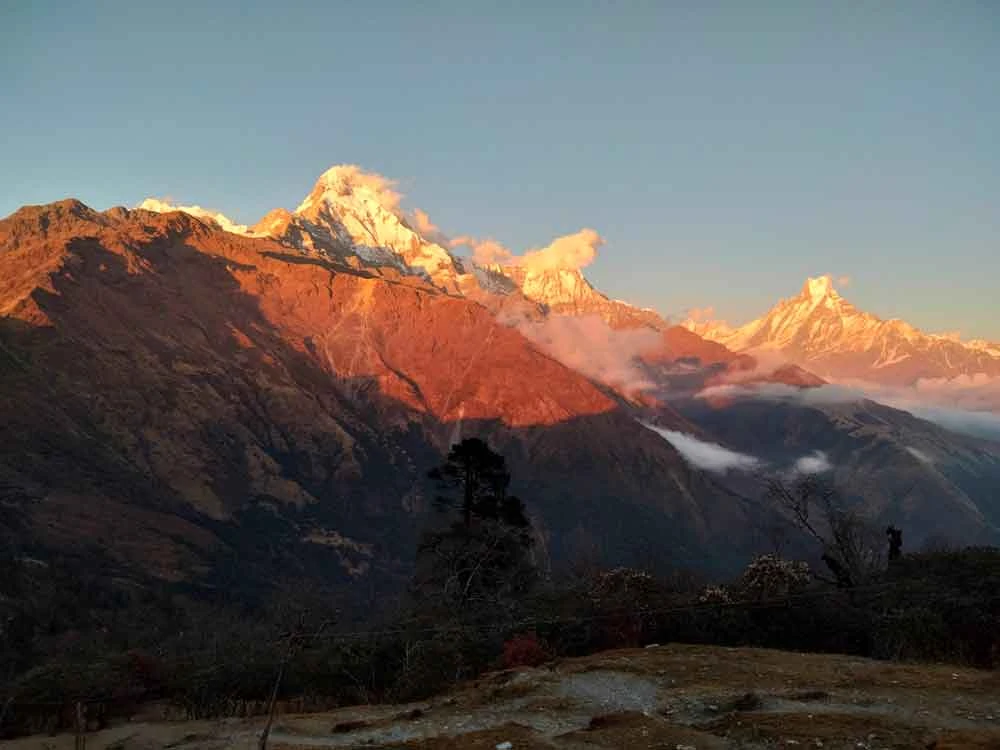
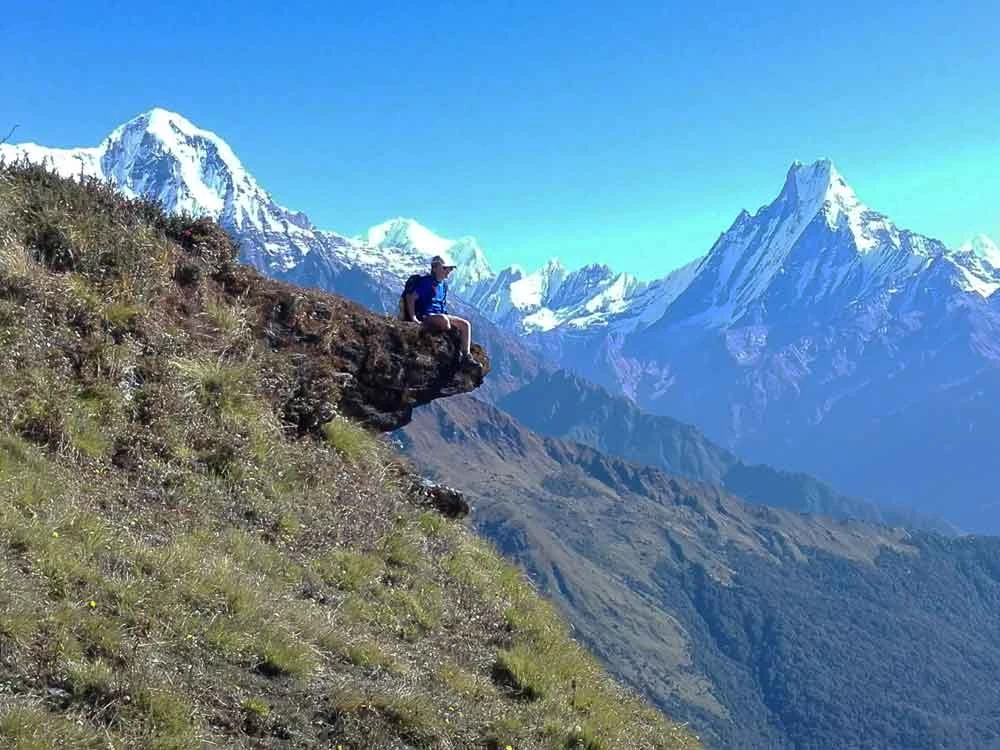
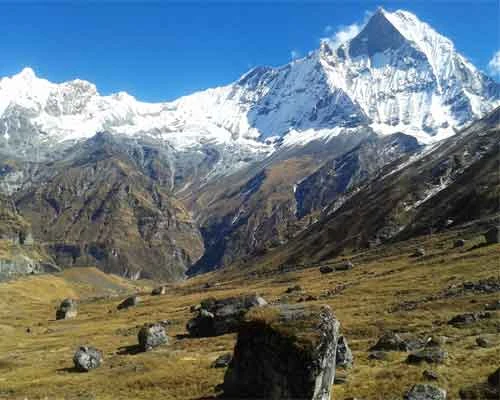
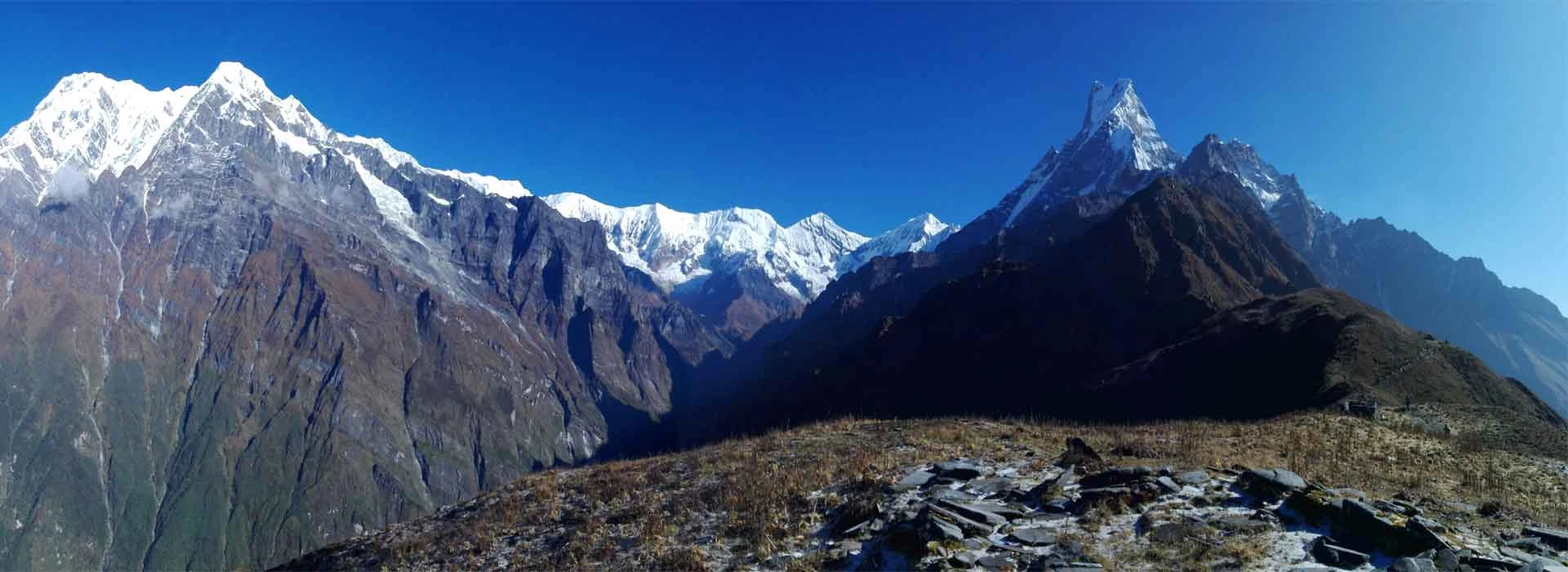
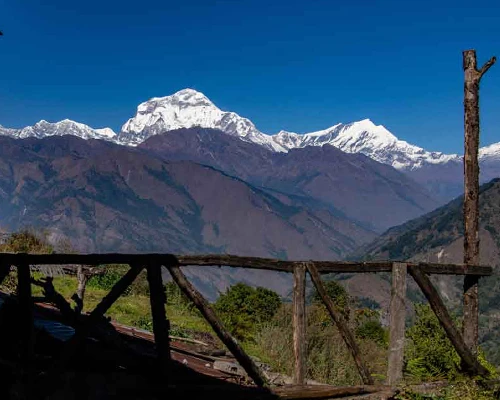
Panoramic mountain views: Annapurna massif, Machhapuchhre, Hiunchuli, and Dhaulagiri.

Eco-tourism trail: Newly opened routes with pristine landscapes.

Cultural immersion: Gurung villages, terraced fields, and traditional lifestyles.

Natural wonders: Glaciers, waterfalls, hot springs, and rhododendron forests.

Adventure diversity: Wildlife spotting, alpine ridges, and yak pasturelands

Mardi Himal, Annapurna Base Camp & Ghorepani Trek:
Mardi

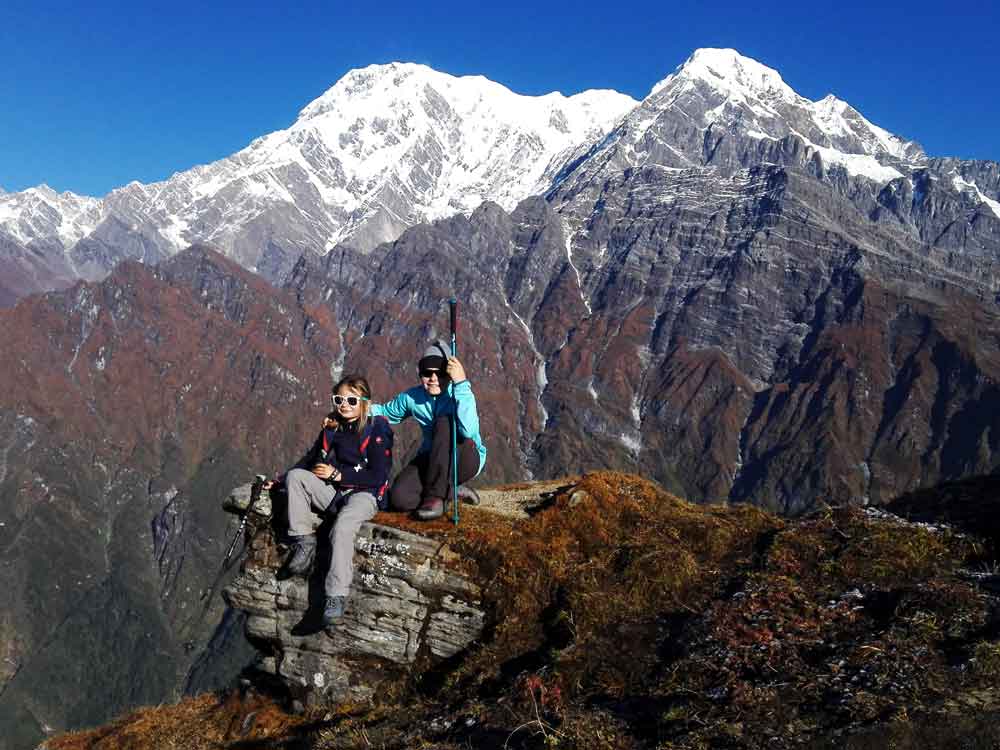
Discover the ultimate Himalayan adventure with the Mardi Himal and Annapurna Base Camp Trek — a 19-day journey blending pristine wilderness, cultural immersion, and breathtaking mountain panoramas. This trek offers close encounters with Mt. Annapurna, Machhapuchhre (Fishtail), and Dhaulagiri, while weaving through rhododendron forests, Gurung villages, and glacier valleys.

This combined trek is achievable for trekkers with reasonable fitness and no technical climbing experience. Mardi Himal feels steeper and shorter, while Annapurna Base Camp is longer but gradual. Ghorepani is a gentler finish with rewarding sunrise views.

The best season to trek Mardi Himal, ABC, and Ghorepani

  1. Spring (Mar–May): Best time — clear skies, blooming rhododendrons, stable trails.
  2. Autumn (Sep–Nov): Peak season — excellent visibility, crowded.
  3. Winter (Dec–Feb): Risk of snow and ice; trails may close temporarily, but the view is super clear with blue skies.
  4. Monsoon (Jun–Aug): Trails muddy, landslides possible, leeches common.

️Route of Mardi Himal, ABC & Ghorepani Trek:

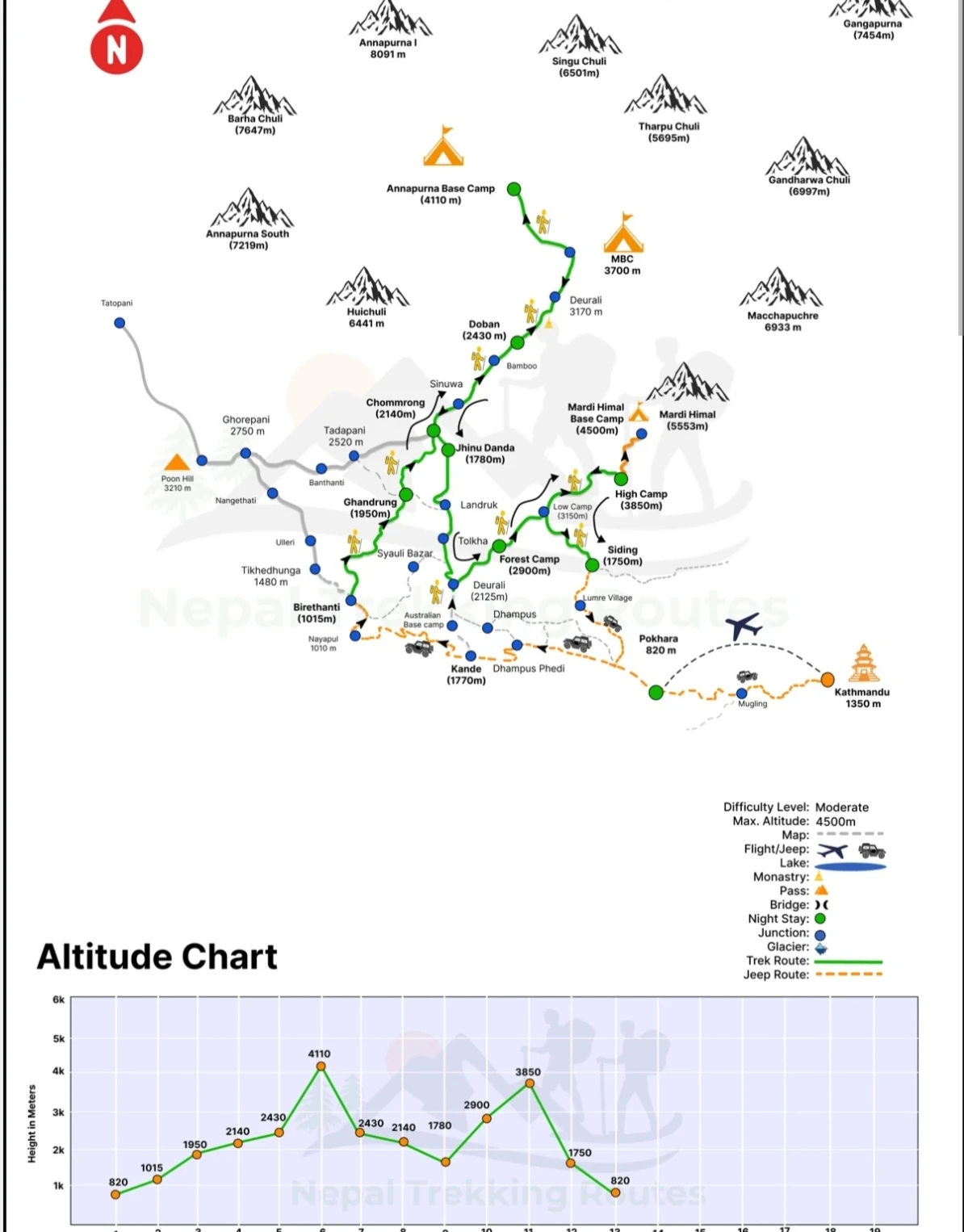
  • KTM → PKR→ KTM: Scenic flight with Himalayan views or overland drive along Prithvi Highway via countryside.
  • Mardi Himal Section: Forest Camp → Low Camp → High Camp → Mardi Base Camp.
  • Annapurna Sanctuary Section: Landruk → Jhinu Hot Spring → Chhomrong → Bamboo → Machhapuchhre Base Camp → Annapurna Base Camp.
  • Return via Ghorepani & Poon Hill: Famous sunrise viewpoint over the Himalayas and drive back

Why Choose Mardi Himal Annapurna Base Camp and Ghorepani Trek?

  • Blends pristine nature & wilderness, cultural immersion with breathtaking mountain panoramas
  • Perfect for families, retirees, and adventure seekers alike.
  • Combines the less-crowded Mardi Himal trail with the classic Annapurna Base Camp trek.
  • Offers both cultural depth and natural grandeur in one itinerary.Walking trail conditions of Mardi Himal, Annapurna Base Camp to Ghorepani

Trail Condition of Mardi Himal, ABC to Ghorepani Trek

The walking trail from Mardi Himal through Annapurna Base Camp to Ghorepani is currently in good condition overall, with upgraded paths and teahouses. Still, trekkers should be cautious of seasonal weather because heavy snow and rain can make some sections slippery and temporarily impassable.

How difficult is this trek?

The Mardi Himal → Annapurna Base Camp → Ghorepani trek is considered moderate difficulty. It requires basic fitness and the ability to walk 5–7 hours daily on stone steps, forest trails, and ridge paths, but no technical climbing skills. The steep ascent on Mardi Himal and the cumulative altitude gain at Annapurna Base Camp are moderate challenges.

Breakdown of Difficulties:

Trek SectionDurationMaximum altitudeDifficultyKey Challenges
Mardi Himal5 - 7 Days 4,500 MetersModerateSteep ridge ascent
Annapurna Base Camp7 - 11 Days4,130 MetersModerate Stone steps & climbs long valley to the altitude
Gorepani/Poonhill2 - 4 Days3,200 MetersModerate easyStone staircases

Risks & Safety Tips

The Mardi Himal → Annapurna Base Camp → Ghorepani trail is a safe destination, well-maintained and upgraded, but trekkers must plan according to the seasonal weather risks.

Snow & Rain: Can make Annapurna Base Camp and Ghorepani sections slippery.

Altitude: Mardi Himal Base Camp (4,500m) and Annapurna Base Camp (4,130m) require a slower ascent.

Guides: Mandatory; strongly recommended.

Insurance: In the mountains, you never know what will happen, so it is essential for rescue coverage in case of emergency.
Itinerary

Receiving at the international airport, greeting you with a flower garland then driving to the Hotel and free time

You can take a short sightseeing tour around the World Heritage site, return to the hotel in time, and prepare your belongings for the trek. There will be a short briefing about the trip with a farewell dinner in the evening.

Bouddhanath Stupa

We drive to the domestic airport just after breakfast. Check in to the boarding section and wait for your flight announcement. Sometimes the domestic flight may not fly on the scheduled time due to air traffic; however, it is very rare of cancelation.

The flight takes 35 minutes from Kathmandu to Pokhara International Airport. You will see perfect views of the mountains, landscapes, countryside, and jungle with meadows while flying. A vehicle will pick you up at the airport and drop you off at the Luxury Hotel in Pokhara. Check into the Hotel and take a short exploration around the Lakeside Market.

dhampush

Breakfast at 7:00 AM, and then drive to Kande by private car for about 1.5 hours. Your trek will start from Kande and head upward to the Australian camp. Mt. Fishtail and the whole Annapurna Range Mountains, including Mt. Manaslu view will make the trek interesting. Australian camp via Pothana to Bichok Deurali is quite comfortable walking through the forest. Bichok Deurali (2200 m) is a small settlement with some lodges; it offers a very nice view of Mt. Fishtail and Mt. Dhaulagiri.

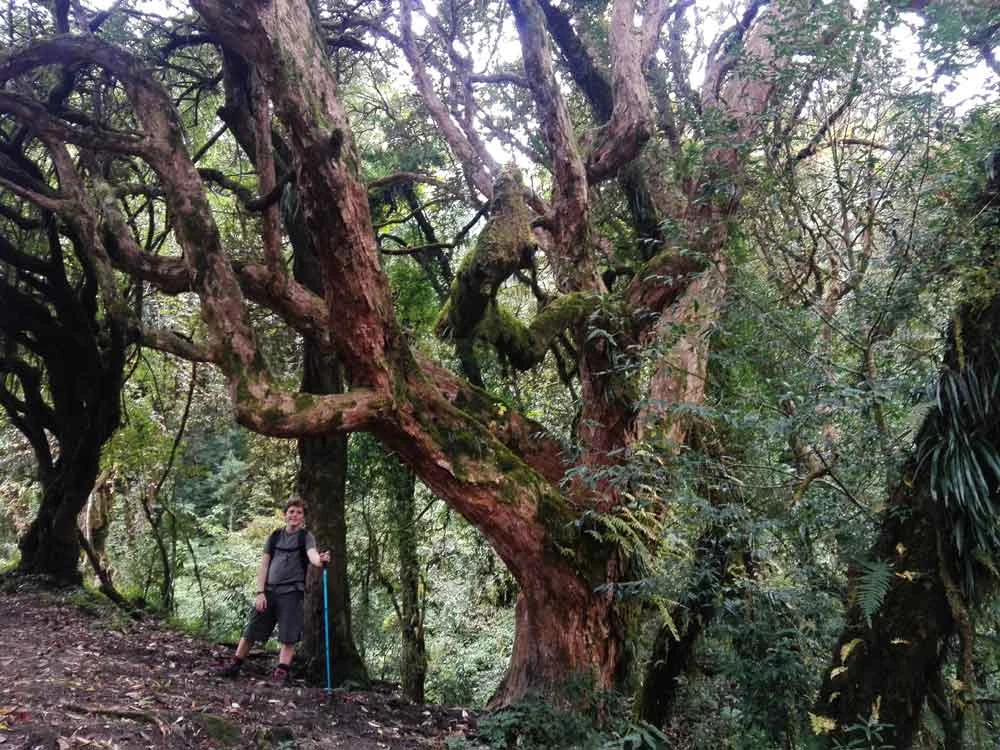
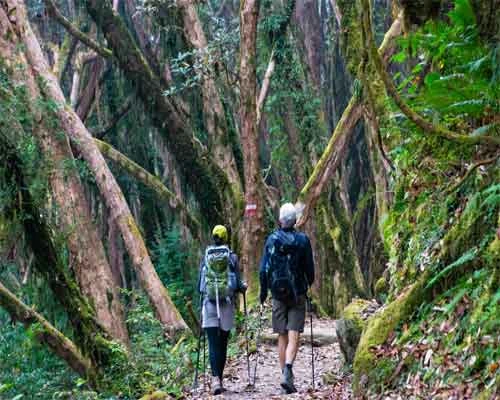
We start our trek after breakfast. The path goes through the deep Himalayan forest such as rhododendron, fir tree, Hemlock, bamboo, etc. It is a very comfortable walk with minimal up and down to Forest camp. Forest camp is a big area with several tourist lodges, we make lunch break here. The path leads mostly upward from Forest camp to Low camp through the deep rhododendron forest.

badaldanda

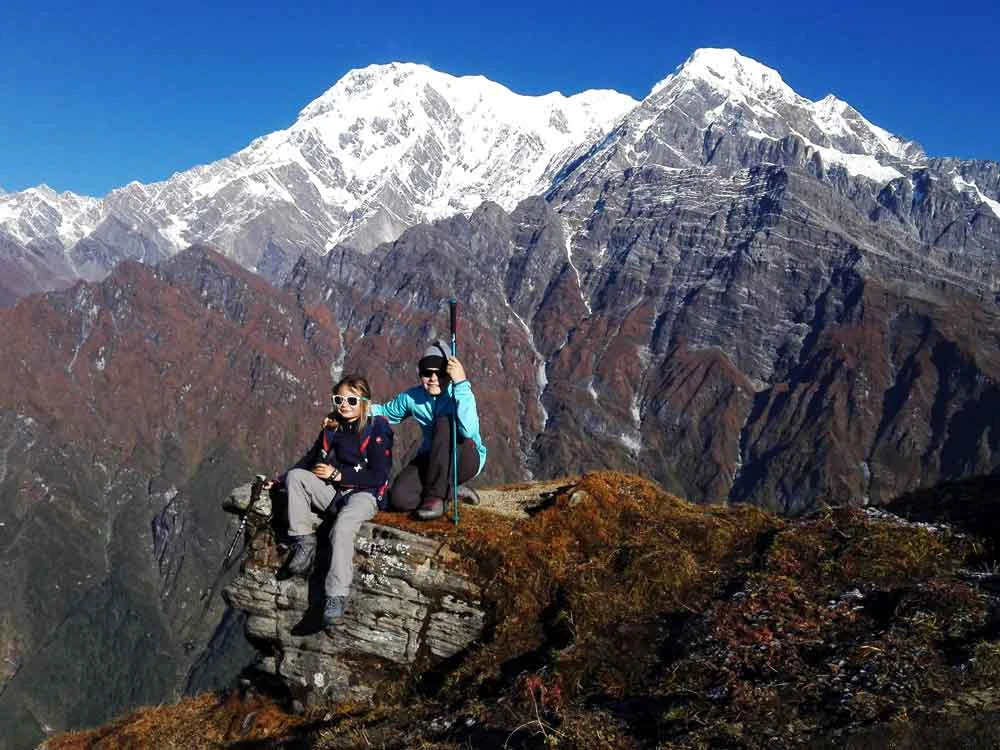
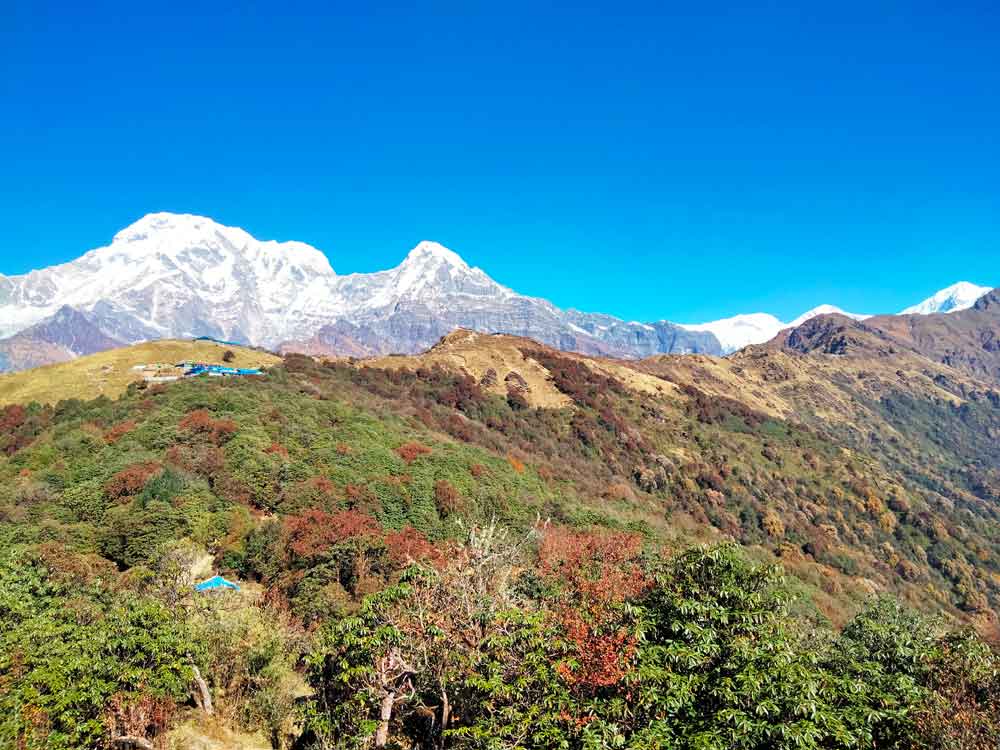
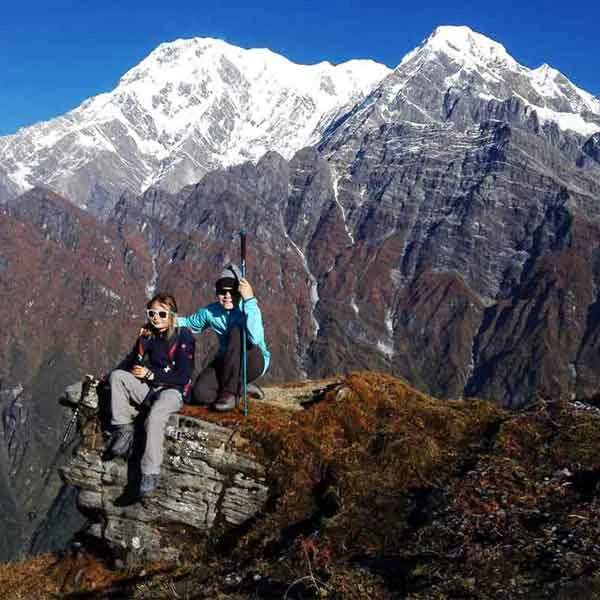
The day would be so interesting because of the mountain views. You walk upward along the ridge with a full panoramic view. Mt. Annapurna South and Hiuchuli seem like a mirror in front of us, with several other mountains. We will make a break at Badaldanda, which is known as a 360-degree mountain views vantage point.

highcamp

Today we hike very early in the morning with a flash flashlight up to the view point for sunrise, then one more hour to Mardi Himal base camp (500 m). Mardi Himal basecamp is very popular for sheep, goats, Cows, and yak pastureland. Small huts are everywhere up there in the pasturefields. They offer simply the best tea, coffee, and Nepalese-style breakfast as well. It takes about 4 hours for up and down hiking, back to the hotel at Highcamp for lunch then return to Badal Danda 3400mtr.1.5 hours. Badal Danda is one of the best place for the best views.

lowcamp

The morning views from Badaldanda are probably the most romantic natural scenery in my lifetime. Today we have longer descending over stone staircases to a famous Landruk Gurung village

We follow the rightwards along the Modi River bank to Nayapul. Today you find a river gorge way with waterfalls and an amusing jungle walk. We arrive at Jhinuwadanda by lunch time and at noon go for bathing in the natural hot spring.

Trek along the staircases to Chhomrong village, descend to the Riverside, and climb up to the ridge called Sinuwa Danda. It will be a tough day because of ups and downs, but very beautiful and surprising scenery. The day will be exciting and amazing with attractive natural views. Overnight at the local lodge

waterfalls

We ascend through rhododendron, bamboo, and hemlock forests decorated with orchids and Ferns. Our trail crosses tributary rivers on narrow bridges, several waterfalls, and a small settlement in Dovan. We ascend on a stony trail through the forest and the Himalayan lodge, then up to a steep hike to the Hinku cave. The Hinku cave used to be a pasture shelter in former times. Cross the glacier stream ahead of the cave and follow gentle rocky climbing until you arrive at Deurali. Overnight at a local lodge

abc

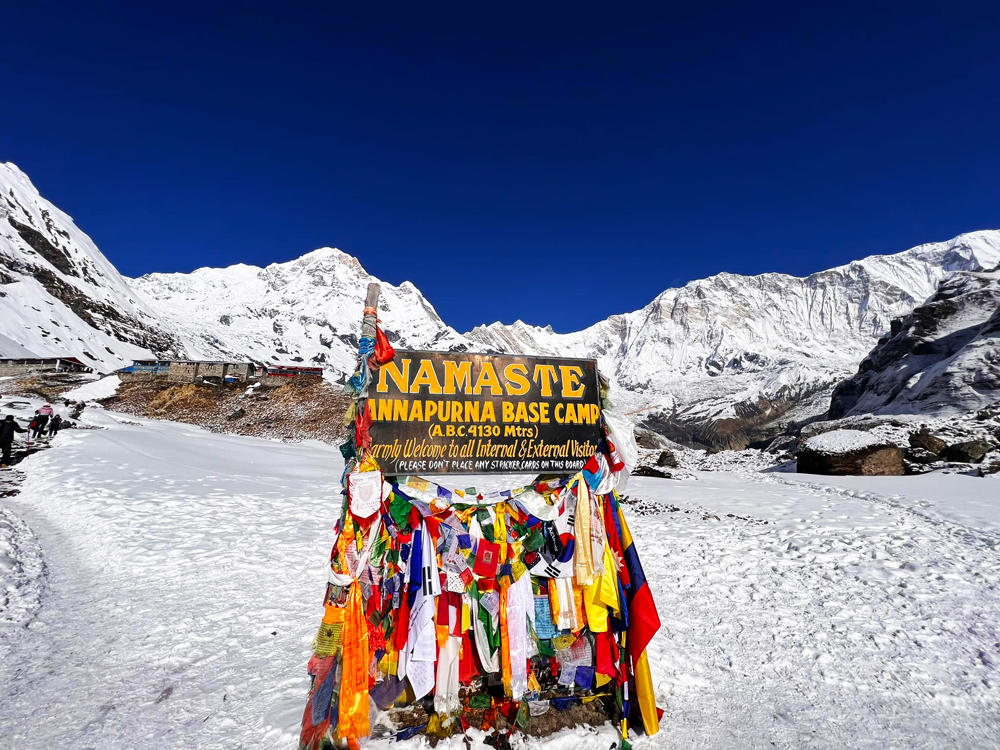
Ahead of Deurali, there are avalanche areas. During winter or heavy snowfall, it is dangerous to cross through there, so trekkers must cross the stream and escape to the other side that ascends through birch and bamboo forests. We continue to move uphill, pass over a moraine, and go downhill to a stream. Then, short ascents lead us to Machhapuchhre Base Camp (3700m). We keep ascending uphill on the moraines of South Annapurna Glacier until we reach Annapurna Base Camp (ABC). There is a marvelous view of the south face of Annapurna rising above the sanctuary to the northwest. After lunch, we will move towards a player-flag-wrapped viewpoint to enjoy the breathtaking view of the Annapurna region's mountains and the surrounding glaciers. Overnight at a lodge

Wake up very early in the morning for a sunrise view over the Massive Mountains. The sunrise will make the whole valley golden. See the massive icefall and glacier, and the wide contour of the Annapurna Himalayas. Visit some monuments of mountaineers who lost their lives during the expedition. Start your returning trek via the same trail you scaled up through Deurali, Himalaya, Dovan to Bamboo. Overnight at the lodge

Ascend on the rocky trail through the bamboo and rhododendron forest until Khuldi, and then descend through the rhododendron and bamboo forest to Sinuwa. Keep descending to Chhomrong Khola, cross the suspension bridge, and walk over hundreds of stone staircases to Chhomrong, the oldest Gurung village for the wonderful overnight.

tadapani

The trek from Chhomrong to the Komrong River goes gradually through the forest and terraced fields. We will see the beautiful small old village called Kimrung, which has a very unique culture and tradition with an interesting way of life. The trail starts ascending from the River until the last point of the trek. The trail gently passes through terraced farming fields, a meditative forest of massive rhododendron, and amazing views of the mountains and beautiful alpine landscapes. Finally, you will reach the beautiful place with beautiful views is Tadapani, for an overnight

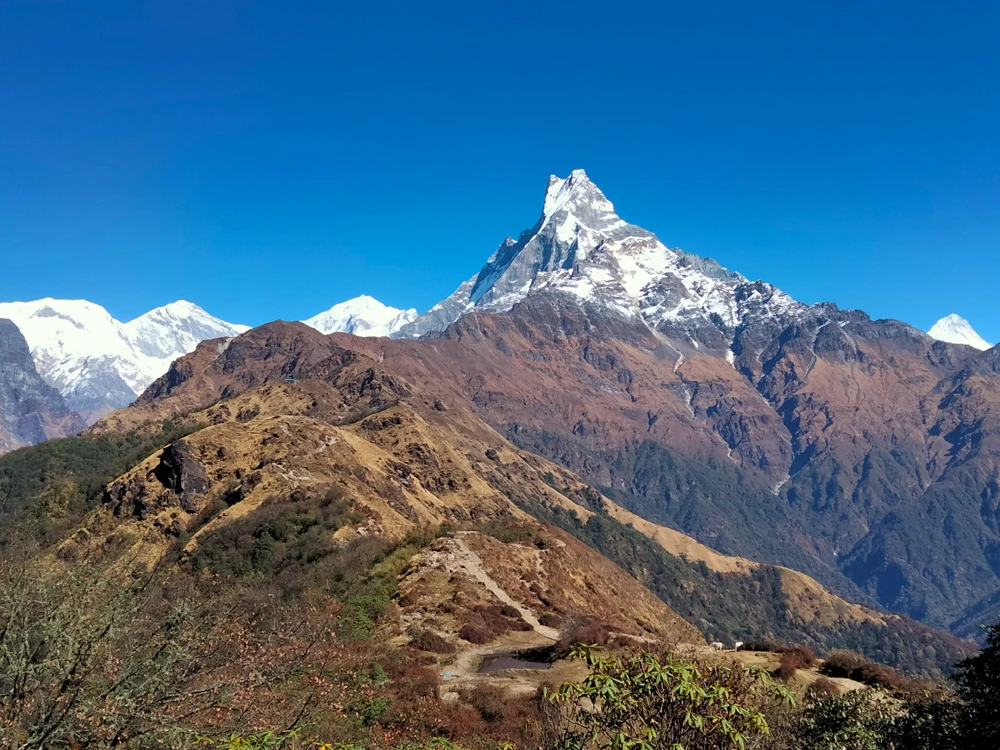
Breakfast with the beautiful views at Tadapani. Probably the Mt. Machhapuchhre provides the best view from Tadapani. The summit of Machhapuchhre looks like the tail of a Fish, so it is called Mt. Fish Tail. Machha in Nepali is a Fish, and Puchhre means shaped like the tail of a Fish.

ghorepani

The trek for the day is full of amazement through massive dense rhododendron and alpine forest via Deaurali. You will enter the Kaligandaki valley along the beautiful ridge with mind-blowing views of Mt. Dhaulagiri ranges, Mt. Nilgiri, Mt. Tilicho, and gorgeous, legendary Jomsom Valley. Overnight at the place with a surprising surrounding


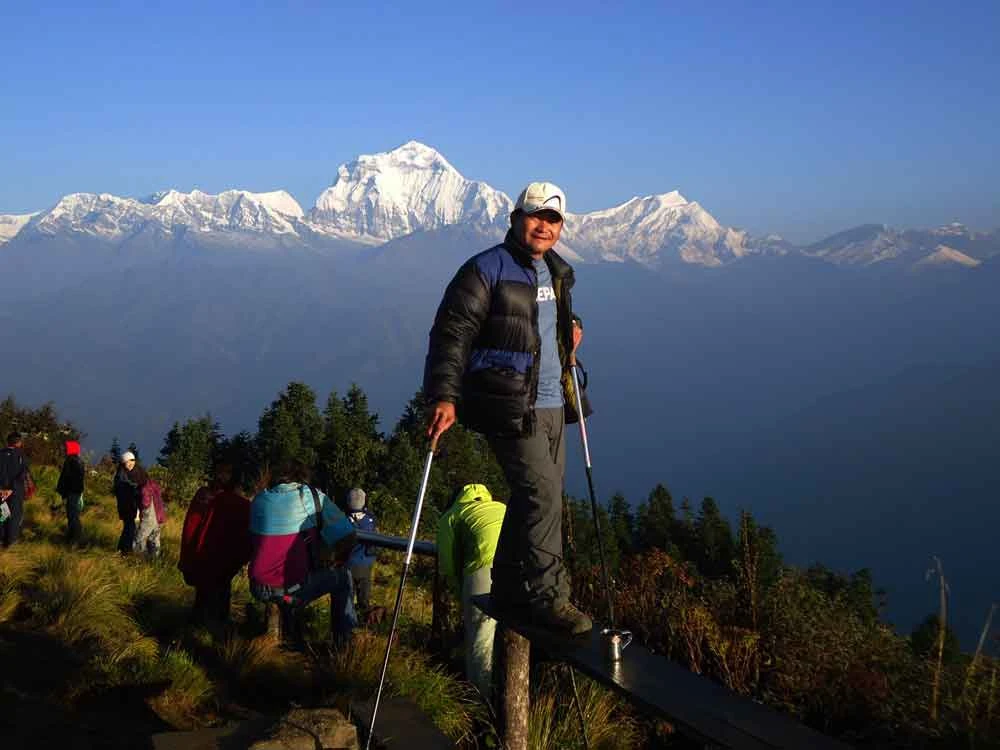
ghorepaniWake up very early in the morning and start hiking up to Poonhill viewpoint. It is almost an hour of hiking through the rhododendron forest to the view tower. The views from Poonhill will be one of the best rewards of your holiday in Nepal. Spend some time with panoramic and scenic views and descend to Gorepani for breakfast. Prepare your baggage and walk 1.5 hours down to Banthanti, then drive to Pokhara by Jeep. You will arrive early in time at the hotel. Check in and then take the free time or private time to hang around Lakeside in Pokhara
Drive to Kathmandu with a Tourist bus, which takes at least 9 hours of driving along the Prithvi Highway. You will reach to Hotel in Kathmandu only by the evening.

The itinerary is tailored for the perfect trip navigation, but we have to be flexible according to the circumstances and physical conditions in the field.

Route Map
Mardi Himal Annapurna Base Camp Ghorepani Trek: 19 Days map
Cost Details

Note:

  • The cost given in this link is based on a full package tour with a minimum of 2 people.
  • We provide this tour at a service price (food cost is your private cost as well
  • The cost for a single traveler will be slightly higher than given
  • We provide special discounts for groups of family, Tour companies, and larger groups
What's included
  • Airport pick up, greetings, and Farewell.
  • 2 nights' deluxe Hotel room on a B&B plan in Kathmandu before the trip.
  • A day sightseeing around the world heritage sites, including a tour guide and a private Jeep.
  • Kathmandu to Pokhara domestic flight ticket
  • Flight ticket for your tour leader
  • 1 night deluxe Hotel room on a B&B plan in Pokhara
  • Pokhara to Kande private 4x4 Jeep for dropping off at the trekking starting point.
  • Breakfast, lunch, dinner, hot drinks, and local accommodation during trekking.
  • Banthanti to Pokhara private 4x4 Jeep returning from the trek by the end of the trek
  • Trekking permit: TIMS, Annapurna conservation permit
  • 2 nights 2 luxury Hotel rooms on a B&B plan in Pokhara after the trek
  • Sightseeing in Pokhara
  • 1 professional, skillful guide and 1 porter.
  • Salary and wages for your guide and porter
  • Staff trekking insurance
  • Pokhara to Kathmandu tourist bus tickets for returning
  • First aid medicine and materials
  • 2 nights 2 deluxe rooms in KTM on a B&B, planning in KTM ( at the end)
  • Airport delivery from the Hotel in KTM
  • Farewell dinner
What's not included
  • All kinds of personal & medical expenses.
  • Lunch and dinner during your stay in Pokhara and Kathmandu.
  • Your travel insurance and Nepal entry visa fee.
  • Your personal trekking equipment.
  • All kinds of beverages like mineral water, alcoholic/ nonalcoholic bottle drinks, and canned drinks
  • International airfare
  • Tips for your staff
  • Additional day’s room charges if your stay is longer than our schedule.
  • Room charge in Kathmandu in case you return earlier from the trek.
  • Helicopter charter price in case of quick evacuation is needed.
Departure Dates
Select a Departure Month
Trip DatePriceAvailabilitySpace Left 
Trip DateOct 08, 2026 - Oct 26, 2026PriceUS$1680StatusAvailableSpace Left
Useful Info

Clothing:

  • Layered clothing: Moisture-wicking base layers (short- and long-sleeved), fleece jacket/pullover, waterproof and windproof outer shell jacket.
  • Warm down jacket: Essential for higher altitudes, especially during evenings and mornings.
  • Trekking pants/trousers: Comfortable and quick-drying.
  • Warm pants for evenings: Fleece-lined track pants.
  • Underwear and sports bras.
  • Warm hat, buff/neck gaiter, and gloves.
  • Sun hat or cap.

Footwear:

  • Worn-in hiking boots: Waterproof and ankle-supportive.
  • Trekking socks: Several pairs (wool or synthetic).
  • Comfortable shoes/sandals: For evenings at teahouses.

Gear and Accessories:

  • Daypack: For carrying daily essentials.
  • Duffel bag: For your main luggage, carried by a porter.
  • Sleeping bag: (Optional, but recommended for warmth, especially in colder months)
  • Trekking poles: Highly recommended for stability and reducing strain on knees.
  • Headlamp with extra batteries.
  • Water bottle or hydration bladder: At least 2-3 liters capacity. Consider a water filter or purification tablets.
  • Sunglasses (UV-protected).
  • Sunscreen and lip balm with high SPF.
  • Basic first-aid kit: Including pain relievers, blister treatment, antiseptic wipes, bandages, and any personal medications.
  • Toiletries: Quick-drying towel, toothbrush, toothpaste, biodegradable soap, hand sanitizer, toilet paper.
  • Snacks: Energy bars, nuts, dried fruit (options can be limited on the trail).
  • Camera and extra batteries/power bank.
  • Travel adapter.
  • Book, cards, or other entertainment for evenings.
  • Passport photos and Nepalese rupees in cash for the Trek expenses.

Permits: You need Annapurna Conservation Area Project permits and a TIMS permit, including trekking insurance for your trekking crews.

Accommodation overview at Mardi Himal, Annapurna Base Camp & Ghorepani Trek

  • Mardi Himal: basic; cozy types are small teahouses & guest houses; they provide Shared toilets, solar electricity, limited Wi-Fi, and fireplaces at High Camp
  • Annapurna Base Camp: Moderate level of teahouses run by families; they provide twin rooms, shared bathrooms, hot showers (paid), and patchy Wi-Fi above 3,000m but no fire heater in the dining room.
  • Ghorepani/ Poonhill: Comfortable standard larger Teahouses & lodges with attached bathrooms, reliable Wi-Fi, and hot showers

Food Availability

Across all three treks: warm, filling, and energy-rich menus are designed for trekkers:

  • Dal Bhat: Unlimited refills of rice, lentil soup, vegetable curry, and pickles.
  • Momos: Dumplings with mostly vegetables & meat
  • Noodles & Pasta: Chowmein, thukpa, spaghetti, macaroni.
  • Potatoes & Soups: Garlic soup (helps with altitude), vegetable soup, fried/boiled potatoes.
  • Western Items: Pizza, sandwiches, French fries, burgers (available in lower villages).
  • Breakfast Options: Pancakes, cereals, Tibetan bread, Toast, chapati, and eggs.
  • Snacks: Chocolate bars, biscuits, dried fruits, nuts

Altitude sickness and prevention

On the Mardi Himal–ABC–Ghorepani trek, altitude sickness is preventable if you pace your ascent, hydrate, avoid alcohol, plan slower, or comfort hike instead of a rushed climb.

  • Acute Mountain Sickness (AMS): Mild Symptoms: headache, nausea, dizziness, fatigue, poor sleep.
  • High-Altitude Pulmonary Edema (HAPE): Fluid in lungs, life-threatening. Symptoms: breathlessness even at rest, cough, chest tightness.
  • High-Altitude Cerebral Edema (HACE): Brain swelling, very dangerous. Symptoms: confusion, staggering walk, hallucinations, coma.

Emergency Signs

  • Severe headache not relieved by medicine
  • Shortness of breath at rest
  • Confusion, staggering walk, hallucinations
  • Cough with frothy sputum, chest tightness

Prevention Tips

  • Ascend gradually: Go slower, go higher, and sleep at lower elevations
  • Hydrate well: Drink 3–4 liters/day; dehydration mimics AMS.
  • Avoid alcohol & sedatives: They worsen oxygen absorption.
  • Eat carbs: Provides energy and helps adaptation.
  • Medication: Acetazolamide (Diamox) can speed acclimatization; dexamethasone/nifedipine for emergencies.
  • Rest & acclimatize: Stop ascent if symptoms appear; descend if they worsen.
  • Supplemental oxygen: Useful for relief if available, or stop climbing and descend to lower altitude.
TestimonialsWhat our Traveler say
Similar Packages