ABC Annapurna Base Camp Trek: 9 DaysABC Annapurna Base Camp Trek: 9 Days

ABC Annapurna Base Camp Trek: 9 Days

  • Duration9 Days
  • DestinationNepal
  • Difficulty Moderate
  • Max Altitude 4,130 Meters
  • Activity Trekking
  • Group Size Maximum 15 people
  • Accommodation Hotel and Lodge
  • Meals Full Package
  • Transportation Overland vehicle
  • Starts Jhinu Danda
  • Ends Jhinu Danda
  • Best Season Except Monsoon
Overview
Trip Highlights
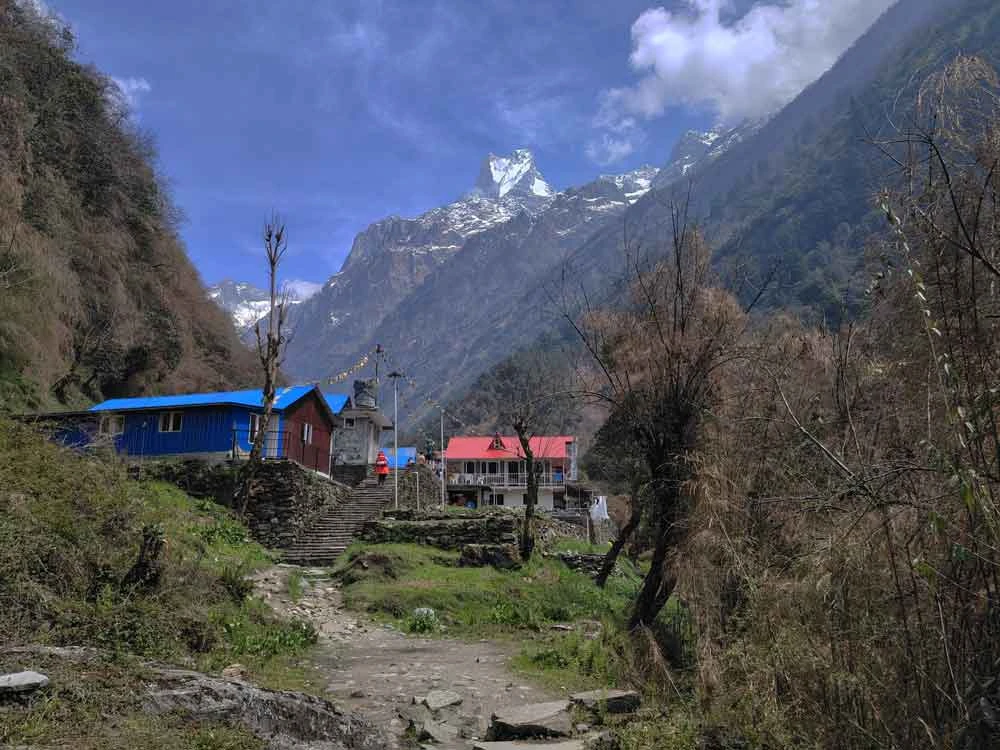
  • Machhapuchhre Base Camp (3,700 m): A mandatory overnight or rest stop before the final push, offering close-up views of the sacred, unclimbed "Fishtail" peak.
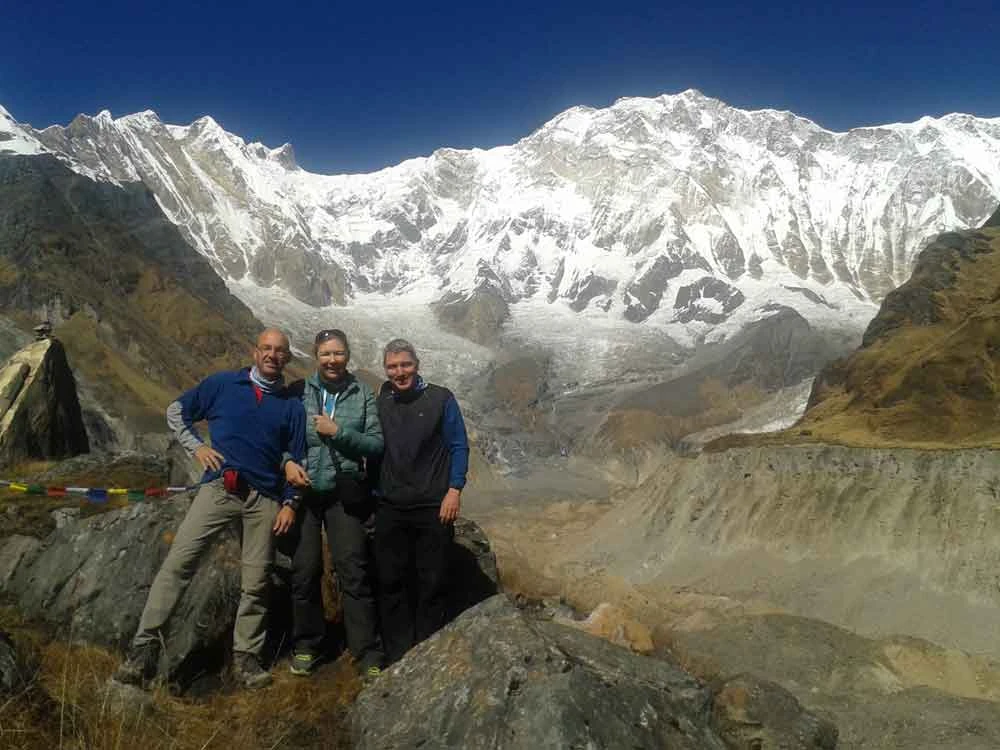
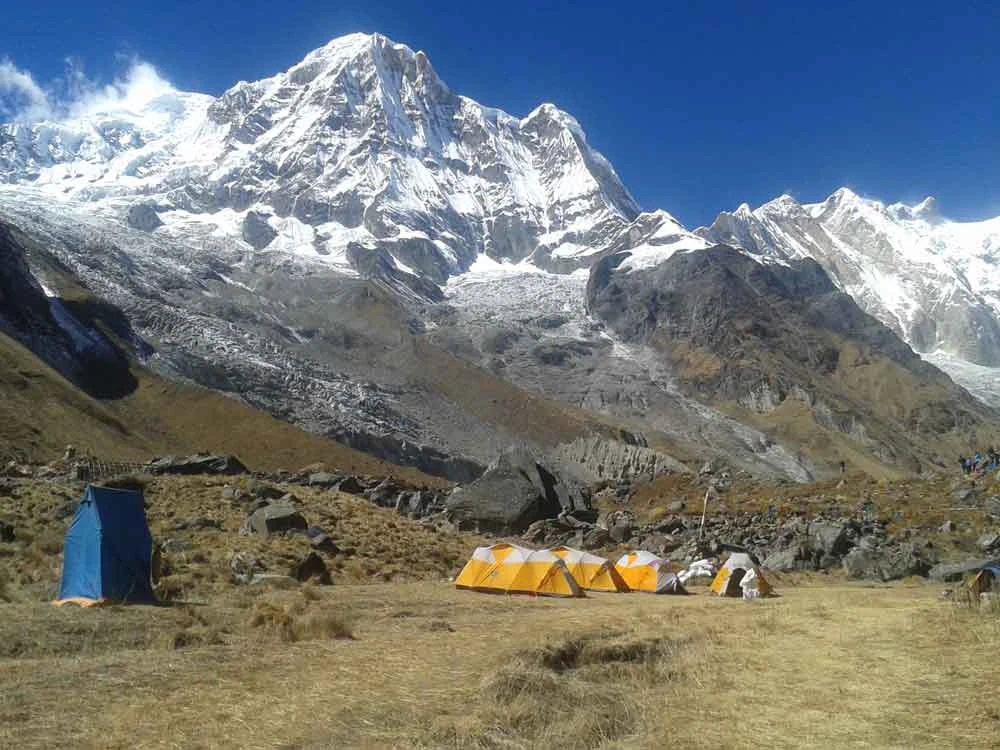
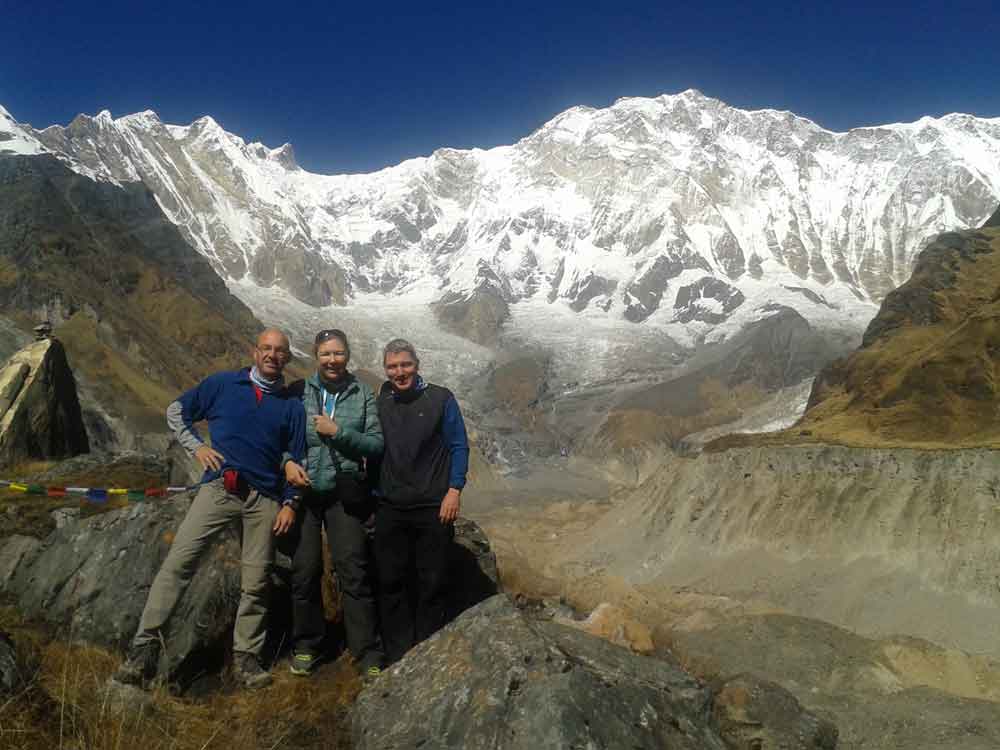
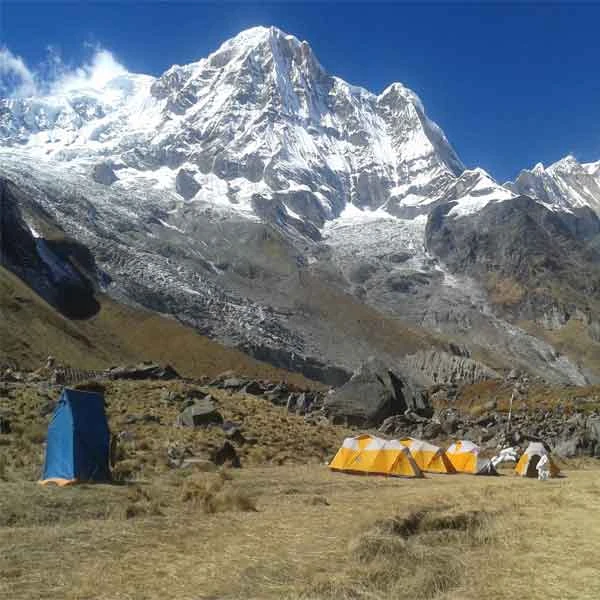
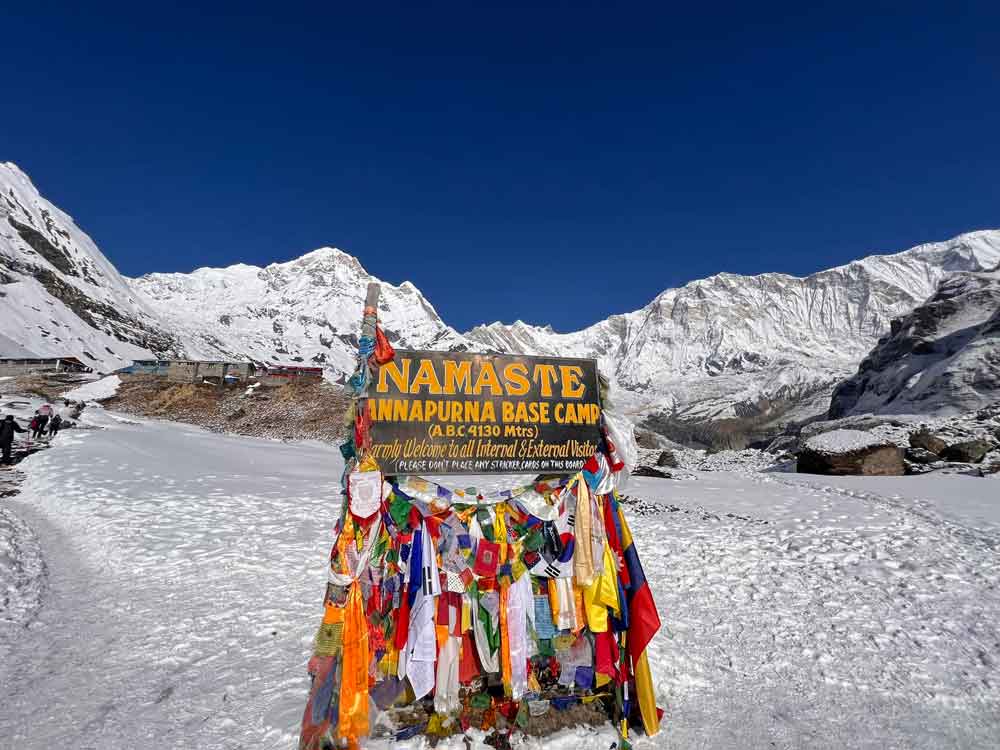
  • Annapurna Base Camp (4,130 m): The final destination, providing a 360-degree panorama of snow-capped giants and massive glaciers.
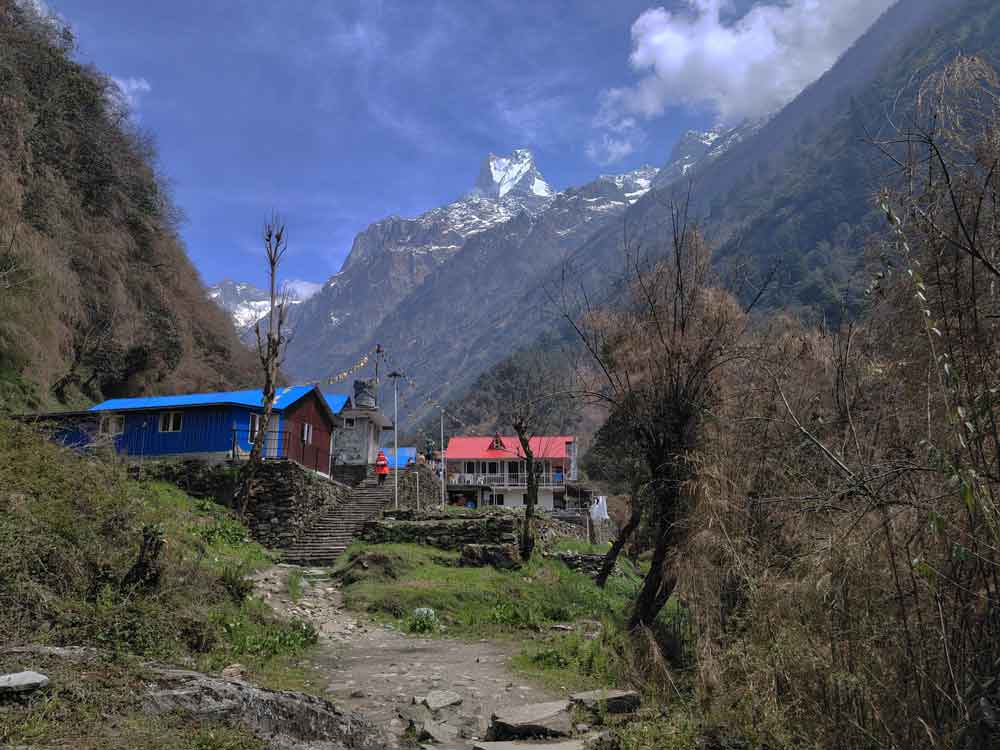
  • Gurung Culture: The trail passes through traditional clean stone villages like Chhomrong, inhabited by the Gurung people.
  • Prayer Flags and Chortens: Buddhist mani walls, colorful flapping prayer flags, and small shrines line the trail, adding a spiritual element to the journey.
  • Jhinu Hot Springs: Natural, riverside hot springs located near the end of the trek, perfect for soothing sore muscles

The ABC Annapurna Sanctuary Trek
ABC

The classic Annapurna Sanctuary trek used to be called the ABC trek. This trek is full of diversity and relatively short. It is a spectacular journey into a glacial valley surrounded by giant peaks and full of nature. This trek goes through changing landscapes, starting in lush green forest and ending in a frozen alpine amphitheater in the heart of the Annapurna Mountains, offering a fast transition from subtropical villages to high-altitude alpine terrain. As we climb higher, the landscape transforms into a dramatic glacial valley.

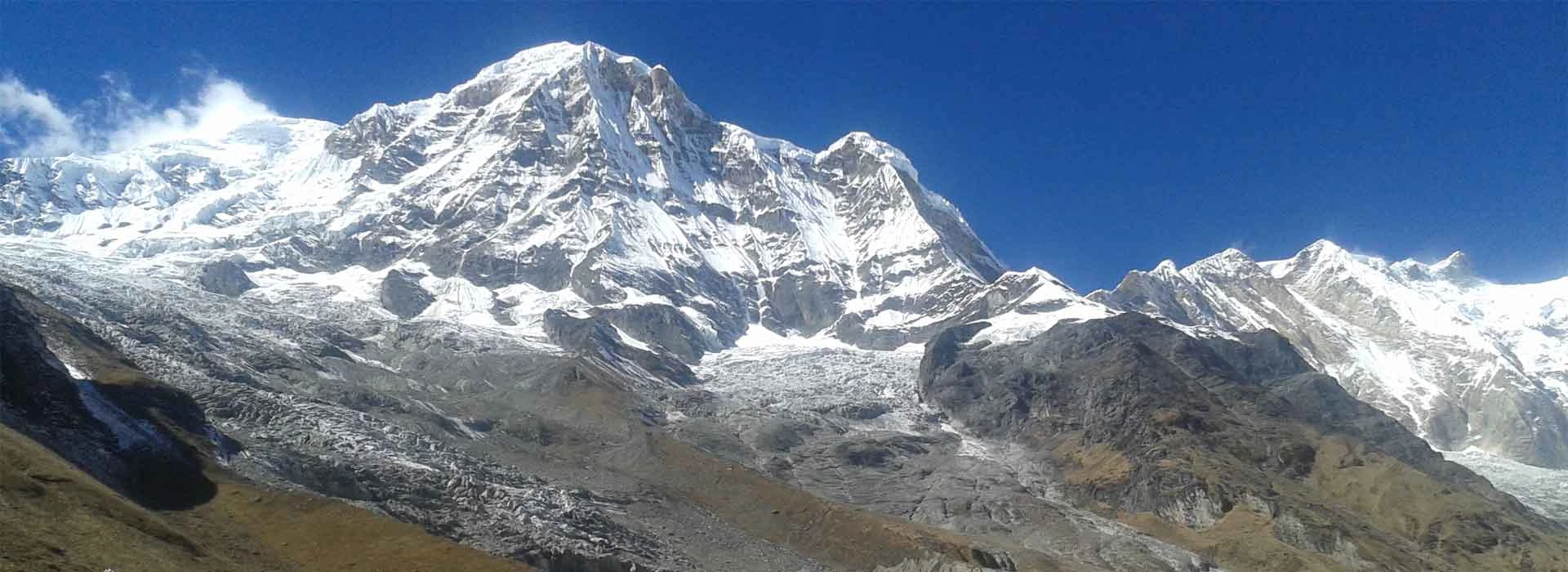
The Annapurna Sanctuary (ABC) is a high-altitude oval plateau sitting at over 4,130 meters. It is surrounded by a ring of Annapurna I (8,091 m), Annapurna South, Annapurna Fang, Baraha Shikhar, Ten Peak, Sinha Chuli, Gangapurna, Gandharva Chuli, Annapurna III, and the sacred Machhapuchhre (Fishtail). Thus, it preserves a unique isolated ecosystem.

Terrain and the Mountains
Terrain

  • Moderate to Strenuous: It does not require technical climbing skills, but it demands good physical fitness.
  • Stone Steps: The trail is built up with thousands of uneven stone stairs, which makes the path fixed but can stretches a lot your leg, with painful feelings
  • Altitude: You cross the 4,130-meter altitude at ABC. And a huge glacier bedding down from the highest Mountain just beyond the ABC.
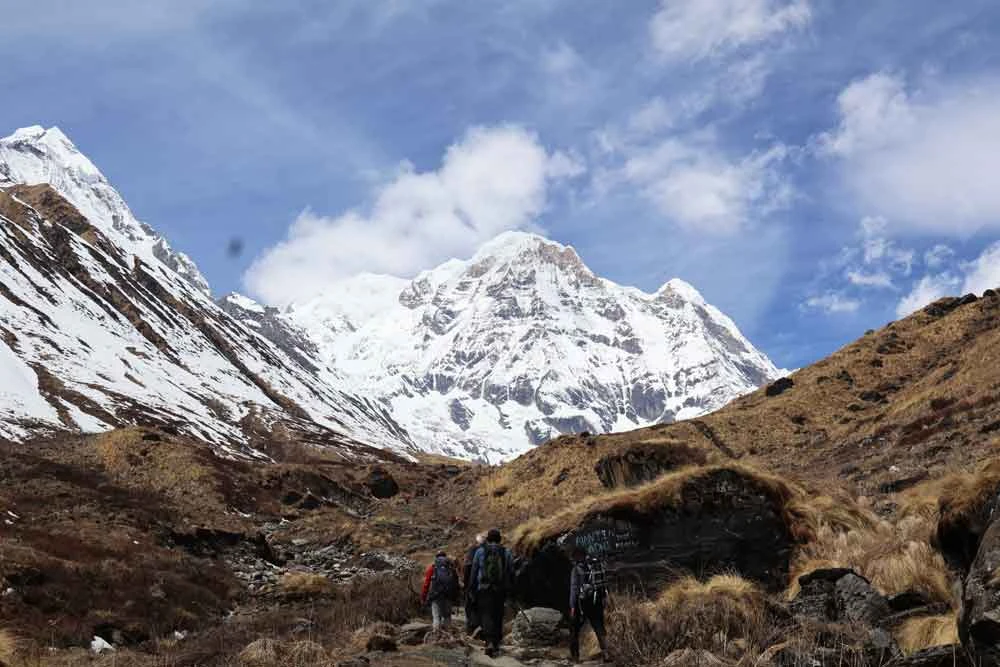
  • Annapurna I (8,091 m): The 10th highest mountain in the world. You will see its massive, intimidating south face looming directly over the base camp.
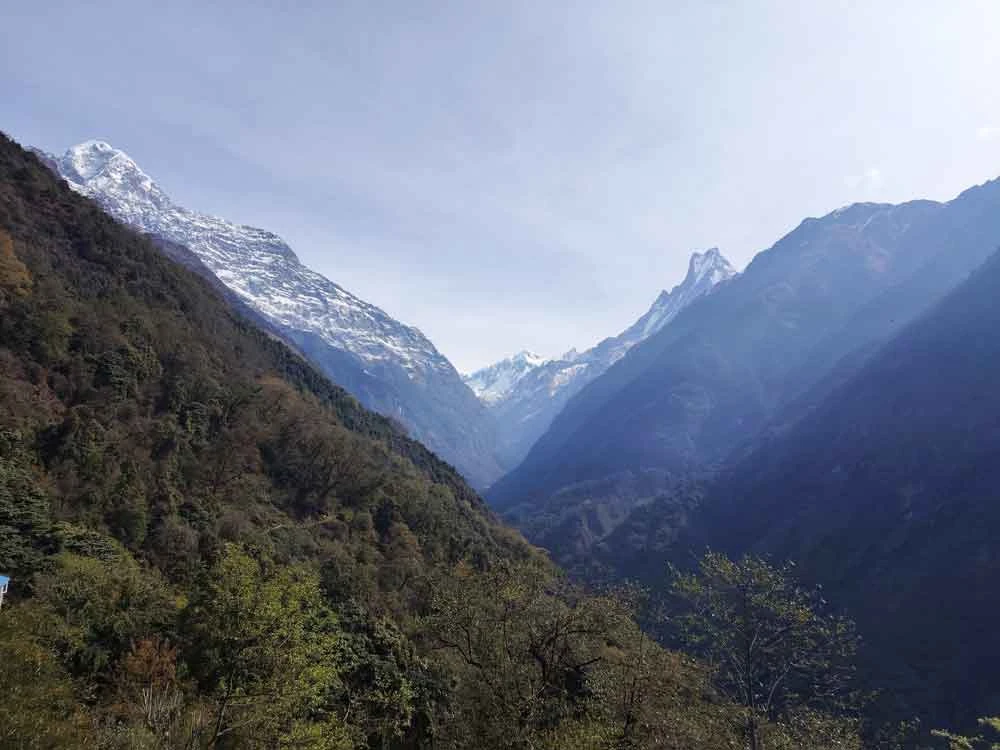
  • Machhapuchhre / Fishtail (6,993 m): A sacred, unclimbed mountain shaped like a fish's tail. You will see it from different angles every day, culminating in a towering view at Machhapuchhre Base Camp.
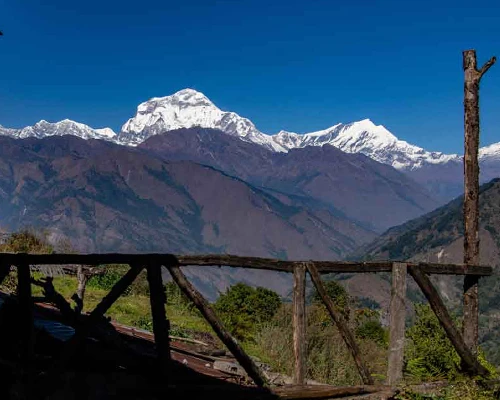
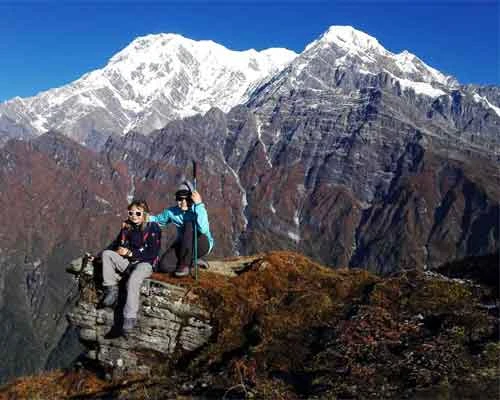
  • Annapurna South (7,219 m) and Hiunchuli (6,441 m): These two peaks dominate the skyline for most of the trek, especially as you look up from the village of Chhomrong

Ecosystems and Wildlife
Waterfals

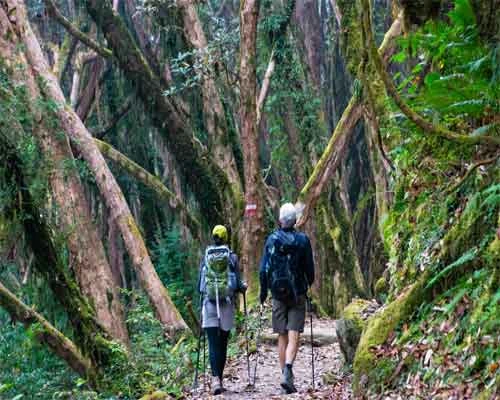
  • Rhododendron and Bamboo Forests: If you trek in spring (March–April), the hillsides burst into vibrant shades of red, pink, and white blooming flowers. Higher up, the trail tunnels through dense, mystical bamboo groves.
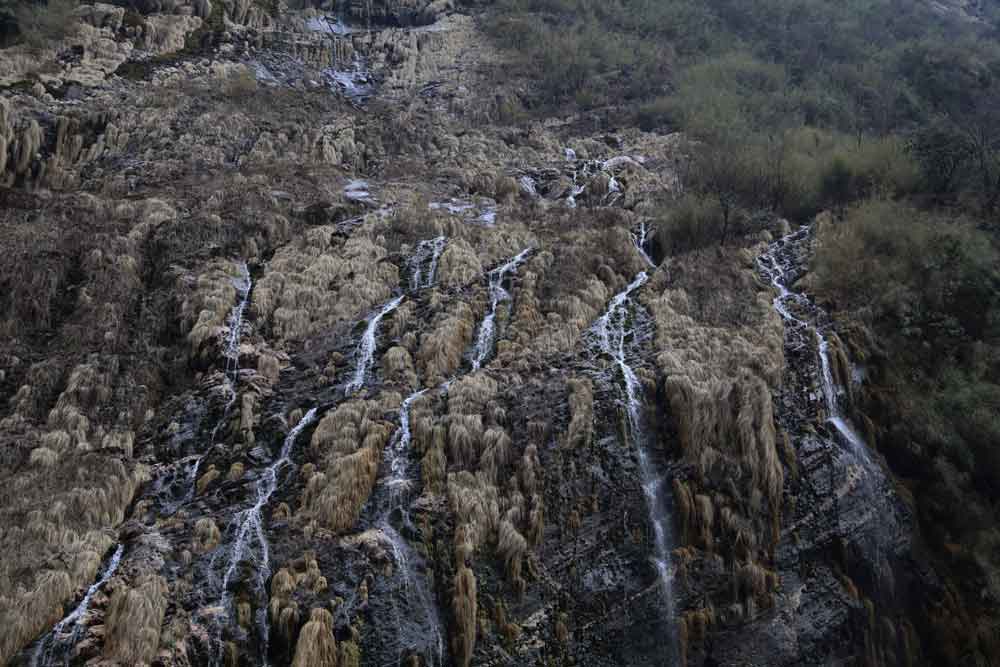
  • Waterfalls and Gorges: The trail follows the Modi Khola river canyon, passing sheer rock cliffs with high waterfalls cascading down hundreds of meters.
  • High-Altitude Wildlife: Keep an eye out for Himalayan Thar (mountain goats), Langur monkeys in the trees, Snow leopard (occasional visitor), Himalayan bear, beautiful Danphe birds, Himalayan Monal, Magpie, and River chat… etc.

Best Time to Trek in Annapurna Base Camp
Weather

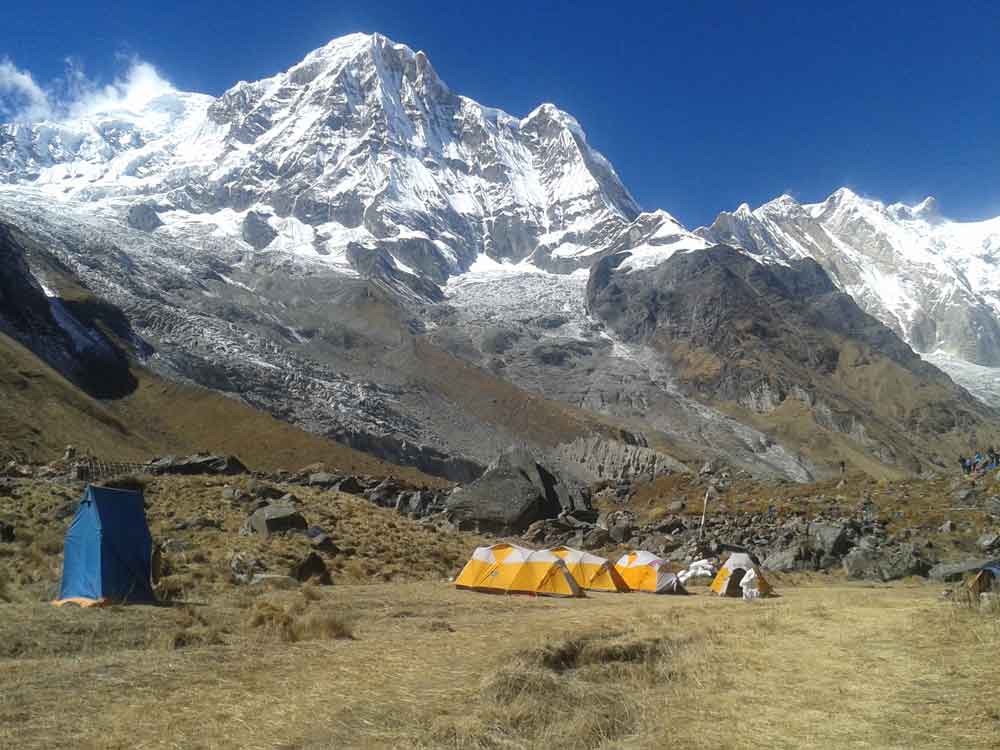
  • Autumn (September to November): This is considered the prime season due to stable weather, clear skies, and excellent mountain views. Temperatures are mild, and the monsoon rains have cleared.
  • Spring (March to May): Another excellent time, characterized by blooming rhododendron forests, warmer temperatures, and clear views. Towards late May, there might be an increase in rainfall as the monsoon season approaches.
  • Winter (December to February) is also possible but requires warmer gear as temperatures can drop significantly, and snow can be present at higher altitudes.
  • Monsoon (June to August) brings heavy rain, making trails slippery and increasing the risk of landslides; hence, it's generally not recommended.
Itinerary

Arrive at Tribhuvan International Airport, greeted with a marigold garland, and transfer to your hotel and free time.

We drive along the Prithvi Highway through the famous Trisuli Riverbank. Driving from Kathmandu (KTM) to Pokhara covers approximately 200 km along the Prithvi Highway. Expect a slow, scenic, and potentially arduous journey; heavy traffic, winding mountain passes, and ongoing road expansion mean the trip typically takes between 7 and 9 hours, and can take longer during peak congestion or monsoon season.

There is regular flight operation from KTM- Pokhara- KTM. If you dislike longer drives and want to make a comfortable journey, then take a flight at any time. We arrange tickets, but the cost of the flight is additional.  

After breakfast at the Hotel, you will drive along the relatively smooth, paved Pokhara-Baglung Highway, passing through scenic vantage points like Naudanda and Kande, down to Nayapul and follow the Modi Khola river valley. The road after Birethanti, the smooth asphalt ends. The final 1.5 to 2 hours is a bumpy, dusty off-road until the riverbed near the Samrong Khola bridge of Jhinu Danda.

Jhinudanda

Once you exit the jeep, your trek begins by crossing one of the longest and highest suspension bridges in the Annapurna region, which spans across the gorge to bypass a steep portion of the old trail. After the bridge, you face a relentless uphill climb on steep stone steps up to Chhomrong village (2,170 m). This is a massive Gurung settlement where you can stop for lunch and enjoy your first clear views of Annapurna South and Machhapuchhre (Fishtail).

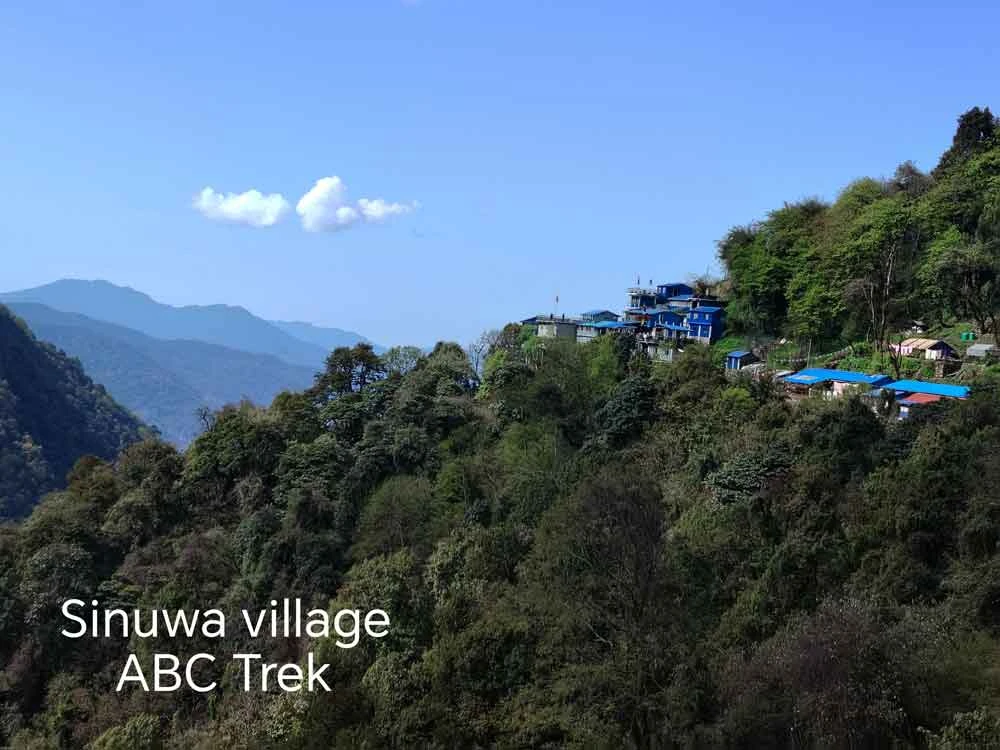
The trail drops sharply down thousands of steep stone steps to the Chhomrong Khola suspension bridge. After crossing the river bridge, you must climb all that lost elevation back up a steep, rocky hill. The trail winds through thin forests until you reach Lower Sinuwa, and further up to Upper Sinuwa (2,341 m). Sinuwa sits on a high ridge, offering cozy teahouses and exceptional sunset views over the deep valley.

View from Sinuwa

We ascend through rhododendron, bamboo, and hemlock forests decorated with orchids and ferns. From Khuldi, the trail is downhill on a steep and slippery stone stairway into the deep bamboo village. Then, the path crosses tributary rivers on narrow bridges, several waterfalls, and a small settlement in Dovan. We ascend on stony steps through the forest and pass the mighty Baraha Temple. In former times, women were not allowed to pass by this temple because of religious reasons. Still, killing animals or eating meat, the upper sector of this temple is believed to be impure among the locals, and local women do not stay and work at the hotel. Thus, mostly men run the hotels in Deurali, MBC, and ABC.

It is a steep hike to the Hinku cave. The Hinku cave is an ancient pasture shelter. Cross the glacier stream ahead of the cave and follow the rocky, gentle climb until you arrive at Deurali. Ahead of Deurali, there are avalanche areas. During winter or heavy snow time, it is dangerous to cross through there, so trekkers must cross the stream and escape to the other side that ascends through birch and bamboo forest. We continue to move uphill, pass over a moraine, and go downhill to a stream. Then, gradual ascents lead us to Machhapuchhre Base Camp (3700m). We recommend stopping here for better acclimatization and taking a rest for the next day's alpine hike to ABC

Himalaya


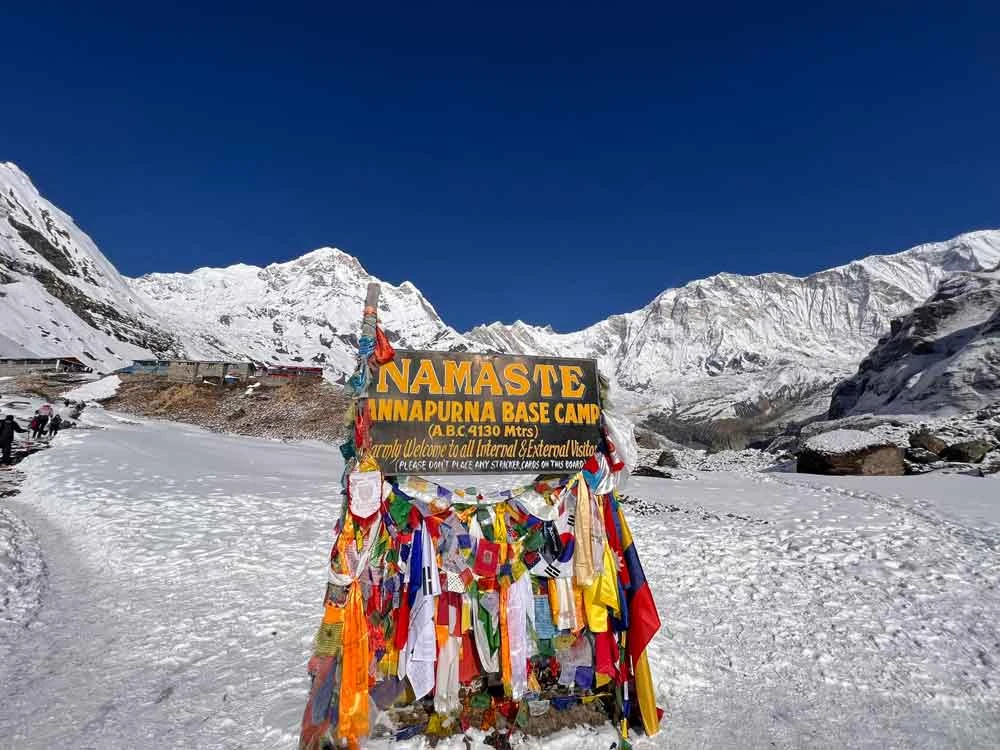
AbcLeave all your big baggage at MBC and start trekking very early in the morning from MBC to ABC, ascending uphill on the moraines of Annapurna Glacier. The trek from Machhapuchhre Base Camp (3,700m) to Annapurna Base Camp (4,130m) serves as the grand finale of the Annapurna Sanctuary route. This takes about 2 .5 or 3 hours, bringing you to the exact center of the glacial basin where the base camp and mountaineers' memorials are located.
Enjoy the panoramic views of the giant glacier and rounding ring of higher Mountains with a delicious breakfast at the foot of the legendary Annapurna Mountains. Then proceed down to MBC for lunch and retrace back down to Deurali for overnight

WaybackThe way from Deurali (3,230m) to Jhinu Danda (1,780m) is a long, mostly downhill journey that retraces your steps back down the Modi Khola valley. The trail follows a single main path back down the canyon, passing through high alpine rock to dense bamboo and rhododendron forests.
You will start with a steep, rocky descent alongside the rushing Modi Khola River. This section passes through narrow valley walls prone to avalanche tracks, eventually leveling out into the forests around Himalaya and Dovan. The trail transitions into lush, muddy terrain dominated by thick bamboo groves. From the Bamboo village, it is steep uphill stone staircases out of the dense forest canopy into Upper and Lower Sinuwa. The trail from Sinuwa to Chhomrong and descending to Jhinu is the most physically demanding section of the return journey.

There is a natural hot spring with swimming pools. You can have a natural spring bath massage to relax your tired body. However, it is 30 minutes away from the hotel and requires paying a small entrance fee.

Hot Spring

After breakfast, cross a long suspension bridge and climb 5 minutes above the bridge side for a Jeep. Your private Jeep will be waiting for you there and will drive you to Pokhara. You will arrive in Pokhara by Noon and take some free time to see around Phewa Lake, Lakeside, and Baraha Temple, or hang out in a restaurant or do some souvenir shopping.

Drive back to KTM by Tourist bus along Prithvi Highway. It takes a complete day to reach Kathmandu. If you want to avoid a day-long drive and save time for more comfort or exploring, then take a flight ticket. We will arrange it on your demand at an additional cost of the ticket. You can take a flight at any time of your choice.

This Itinerary is very relevant for adapting to the altitude. We basically focused on slower uphill with perfect acclimatization for successful trip planning.  

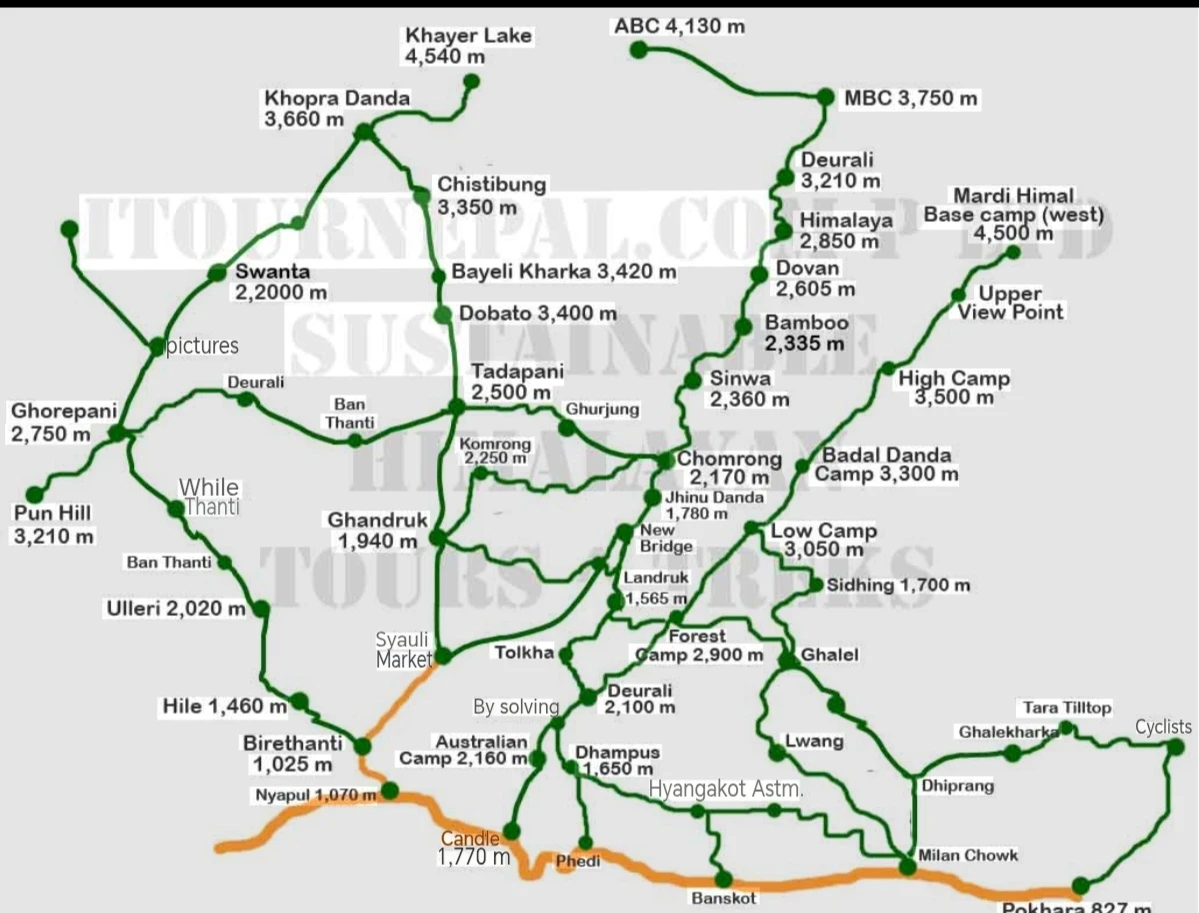
Route Map
ABC Annapurna Base Camp Trek: 9 Days map
Cost Details
What's included
  • Airport pick-up and drop-off private Vehicle
  • Deluxe Hotel Room at the beginning and after the trek on a B&B basis in Kathmandu – Pokhara – Kathmandu
  • Deluxe bus Tickets to Pokhara-Kathmandu
  • Trekking permits related fees, TIMS, and Local permits.
  • Local hotel accommodation from the beginning to the end of the trek
  • Meals and drinks for the entire trek according to the menu and of your choice (Breakfast, lunch, Dinner) during the trek, including hot drinks
  • A Professional Guide and necessary porters, including their salary, insurance, equipment, food, and lodging.
  • Pokhara to Jhinudanda and back to Pokhara four-wheel private Jeep for trekking drop and pick up.
  • Service charges and farewell
  • Airport drop by private car
What's not included
  • Nepal entry visa:
  • International airfare
  • Food during your stay in Kathmandu and Pokhara.
  • Tips for your trekking staff.
  • Your Health insurance and expenses.
  • Helicopter price in case you need to be evacuated.
  • Your Travel or trekking insurance
  • Drinks like Coke, Fanta, mineral water, canned juice, Mars bars (all kinds of bottled drinks and packet cereals)
  • Warm water or tea in your drinking bottle
  • World heritage entrance fees in Kathmandu (if you go sightseeing in Kathmandu.
  • Extra room charge in Kathmandu or Pokhara if you stay more than our plan
  • Domestic Plane tickets in case you want to fly from KTM-Pokhara-KTM
Departure Dates
Select a Departure Month
Trip DatePriceAvailabilitySpace Left 
Trip DateSep 15, 2026 - Sep 23, 2026PriceUS$850StatusAvailableSpace Left
Useful Info

Permits for Annapurna Base Camp Trek: You need Annapurna Conservation Area Project permits and a TIMS permit, including trekking insurance for your trekking crew.

Walking Trails in Annapurna Base Camp Trek: The trail often goes through beautiful forests, ancient typical cultural villages, waterfalls, staircases, wilderness pastureland, alpine contour ridges, and several viewpoints; crosses several suspension bridges, wild bees, natural hot springs, zig-zags up and down, passes several river streams, and mighty glaciers.

Walking hours per day: Normally, walking hours will be 4-8 hours per day, but our itinerary is always flexible according to your schedule. Every day, the trek starts after breakfast. Go slower, take your time, and enjoy your holidays.

Accommodation and Food in Annapurna Base Camp: We can find very neat and clean local lodges and hotels with the best food items. Select the food according to our choices on the Menu. The hotel accommodations on the ABC side are normal but very clean. Hot showers and bathrooms are outside in the comfort area, mostly based on sharing. Accommodations before Bamboo are more comfortable, with a wide, clean, and warm dining room. There is no heating system in the dining room at the ABC site.

Maximum altitude in Annapurna Base Camp Trek: 4200 Meters at ABC, and you can achieve a higher altitude if you want from ABC.

Drinking water: Everywhere you can get fresh running water, but we recommend using some purifier tablets or filtered water for drinking, or you can buy mineral water or filtered water.

Symptoms of Altitude Sickness & Prevention

The maximum altitude reached at Annapurna Base Camp is 4,200m. While not as high as some other Himalayan treks, altitude sickness is still a concern. Here are crucial prevention tips:

  • Ascend Gradually: Do not rush your ascent. Stick to a well-planned itinerary that allows for gradual altitude gain
  • Acclimatization Days: Although the ABC trek itinerary often doesn't have dedicated "rest days" like some other treks, try to incorporate slower days or make short acclimatization hikes (climb high, sleep low) at points like Himalaya or Deurali.
  • Stay Hydrated: Drink 3-4 liters of water daily. Avoid alcohol and excessive caffeine, as they can dehydrate you.
  • Eat High-Calorie Meals: Your body needs more energy at higher altitudes. Focus on carbohydrate-rich foods.
  • Listen to Your Body: Pay close attention to any symptoms (headache, nausea, dizziness, fatigue). If symptoms persist or worsen, descend to a lower altitude immediately.
  • Consider Preventive Medication: Consult your doctor about taking Acetazolamide (Diamox) as a preventive measure, especially if you have a history of altitude sickness or are concerned about the altitude.
  • Proper Breathing Techniques: Practice deep breathing to improve oxygen intake.
  • Layer Clothing: Dress in layers to adapt to temperature fluctuations and stay warm
  • Avoid rapid altitude gain, drink enough water or fluid, acclimate to adjust the body to higher altitudes, avoid alcohol, eat regular meals, get higher and sleep at lower altitudes, and avoid high altitudes if you have heart and lung disease. The main treatment for acute mountain sickness is to stop climbing to higher altitudes and descend to a lower altitude if the symptoms occur

Clothing

  • Layered clothing: Moisture-wicking base layers (short and long-sleeved), fleece jacket/pullover, waterproof and windproof outer shell jacket.
  • Warm down jacket: Essential for higher altitudes, especially during evenings and mornings.
  • Trekking pants/trousers: Comfortable and quick-drying.
  • Warm pants for evenings: Fleece-lined track pants.
  • Underwear and sports bras.
  • Warm hat, buff/neck gaiter, and gloves.
  • Sun hat or cap.

Footwear

  • Worn-in hiking boots: Waterproof and ankle-supportive.
  • Trekking socks: Several pairs (wool or synthetic).
  • Comfortable shoes/sandals: For evenings at teahouses.

Gear and Accessories

  • Daypack: For carrying daily essentials.
  • Duffel bag: For your main luggage, carried by a porter.
  • Sleeping bag: (Optional, but recommended for warmth, especially in colder months)
  • Trekking poles: Highly recommended for stability and reducing strain on knees.
  • Headlamp with extra batteries.
  • Water bottle or hydration bladder: At least 2-3 liters capacity. Consider a water filter or purification tablets.
  • Sunglasses (UV-protected).
  • Sunscreen and lip balm with high SPF.
  • Basic first-aid kit: Including pain relievers, blister treatment, antiseptic wipes, bandages, and any personal medications.
  • Toiletries: Quick-drying towel, toothbrush, toothpaste, biodegradable soap, hand sanitizer, toilet paper.
  • Snacks: Energy bars, nuts, dried fruit (options can be limited on the trail).
  • Camera and extra batteries/power bank.
  • Travel adapter.
  • Small padlock: For your teahouse room.
  • Book, cards, or other entertainment for evenings.
  • Passport photos and Nepalese rupees in cash for the trek expenses
Similar Packages