The Charming of Langtang Valley Trek in the winter
Basic Preparation for Winter Trek into the Langtang Valley:
Clothing:
Good walking boots, a warm sleeping bag, a pair of slippers to wear in the camp in the evening or when the boots are wet, a Warm jacket (Fiber fill or down should be adequate). A wind and rainproof jacket with a hood or poncho, Woolen shirts and thick sweaters or fleece jackets, warm thick trousers, and Trousers for higher up in the mountains in the morning and at night. Thermal underwear (These are excellent for sleeping at night), 2 pairs of loose-fitting long shorts/ skirts. 1 lightweight long-sleeved shirt is particularly suitable for avoiding sunburn. A warm hat to wear in the morning and at night. Sunhat and ensure it has a wide brim to cover the face and neck, a pair of gloves, and good sun/snow glasses (warm and normal ones), 2 pairs of thin and 2 pairs of thick warm socks, Underwear, buff, and hankies as you need. Necessary personal items if you are a woman.
Accessories:
Duffle bag or kit bag to carry gear while trekking, Small rucksack to carry personal requirements for the day, e.g., toilet paper, camera, film, towel, soap, etc. Water bottle. Snow glasses and sunglasses. Headlamp with spare batteries, Sun cream, personal medicine, lip guard, toothbrush, towel, Reading materials, camera, game items (optional), notebook, rubber band, pen, and a diary, a pocket knife, trekking map, passport, and copies.
Travel Insurance: We advise you to have proper and valuable insurance for trekking in the Himalayas.
Medical: You should carry all the necessary medicine for safety because there are no proper Medical centers in the Himalayas.
Itinerary:
Day 01: Arrival in KTM
Arrival in Kathmandu, greeting at the airport, then transfer to the hotel.
Day 02: Drive to Shyabrubesi
The drive from Kathmandu to Syabrubesi is a roughly 122 km journey that takes approximately 9 hours of time. The journey is a mix of paved blacktop and rough off-road sections. The stretch from Kathmandu to Trishuli is generally in good condition. However, once you pass Trishuli toward Dhunche, the road becomes narrow, steep, and bumpy. This is the primary gateway to the Langtang Valley and the Tamang Heritage Trail.
Day 03: Trek to Lamahotel 2470 m.
The trek from Syabrubesi to Lama Hotel is the true beginning of your foot journey into the Langtang Valley. It climbs through lush river gorges and dense forests. It is approximately 12 Km. It takes about 7 hours of trekking. The first hour involves crossing a suspension bridge over the Bhote Koshi and then following the Langtang Khola (river) upstream. The sound of the rushing turquoise water is your constant companion. You will see different kinds of vegetation and wild animals, such as langurs, deer, mongooses, wild bees, and various birds along the way. The trek is not technically difficult, but the riverside trail has many ups and downs that can be tiring for the legs on the first day.
Day 04: Trek to Langtang village 3440m.
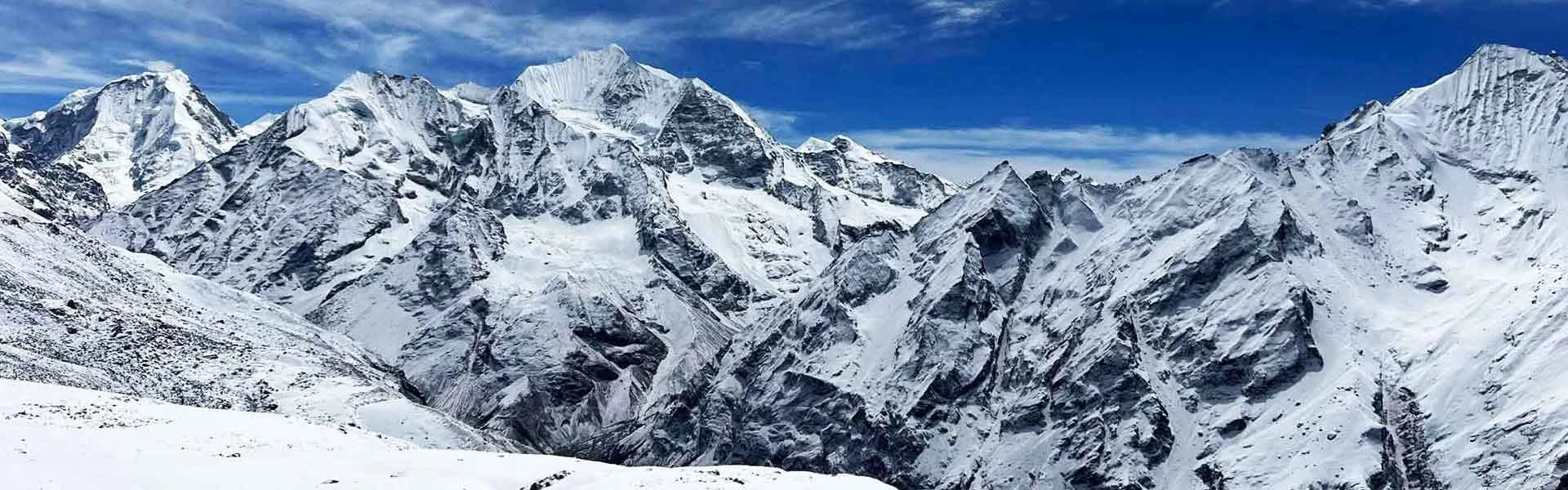
The trek from Lama Hotel to Langtang Village is about 9 Km. trail. It takes roughly 7 hours from the Lama hotel to the transforming landscape at Langtang. For the first two hours, you continue through the forest. However, once you reach Ghoda Tabela, the valley suddenly opens up. The dense trees disappear, replaced by wide pastures and the first clear, massive views of Langtang Lirung (7,227m) and some other neighboring mountains. You’ll pass several small streams where the force of the water is used to spin large prayer wheels—a peaceful sight and sound. Also encounter yaks and mules in delivery caravans. Be careful of yourself with them in safe sites during your encounter; they may push you down to the rivers or hills.
After crossing 3000 meters in altitude, you will likely feel the air getting thinner, so keeping a slow, steady pace is essential to avoid altitude sickness. Lama Hotel to Langtang is nearly 1,000 meters of gain in a day, so drink plenty of water (3–4 liters). And walk constantly slower, saving energy and taking rest. By the end of the day, you reach The New Langtang Village: The original village was tragically destroyed in the 2015 earthquake. The "New" Langtang Village has been rebuilt nearby with modern stone teahouses. It’s a testament to the resilience of the local Tamang and Tibetan-descended communities.
Day 05: Trek to Kyangzing Gumba village, 3790 meters
The walk from Langtang Village to Kyanjin Gomba is arguably the most rewarding stretch of the trek. It’s a shorter day—physically easier on the lungs than the previous days—but visually stunning as you move deep into the heart of the high-altitude glacial amphitheater. The terrain is a gradual, steady incline through wide alpine meadows. The trail is much broader and less "closed in" than the forest sections.
Shortly after leaving Langtang Village, you will pass one of the longest and most impressive Mani walls in Nepal. The thousands of stones carved with the mantra "Om Mani Padme Hum" are set against the backdrop of snow-capped peaks. Now you enter into the yak’s Country." You’ll see dozens of yaks grazing on the wide valley floor. This area is famous for its yak Cheese and ancient Gomba. After 3 hours of walking, you reach the last village in Langtang Valley called Kyangzin Gomba, which is a bustling little hub of good hotels and lodges, bakeries, and even "the highest lily coffee shop in the region.
At noon, you can go to a higher altitude for proper altitude acclimatization. You will find yourself in the center of numerous mountains such as Langtang Lirung, Langtang peak, Dhakpatse peak, Ganjala peak, Gangchhembu, Nayakhang, etc.
Day 06: Trek to Ghoda Tabela
It is highly recommended to start your climb early in the morning with some energy bars. This is a big, high-energy day and experience the literal peak climbing. There are two viewpoints, Lower Kyanzin Ri (4300 meters) and Upper Kyanzing Ri (4800 meters). The trail is steep and switchbacks up the ridge directly behind the village. From the summit, you get a 360-degree panorama of the Langtang range. You’ll look directly down onto the massive Langtang Glacier and see Langtang Lirung (7,227m), Mt. Dhakpatse, Yala Peak, Naya Kang, Dorje Lakpa, Gangchhembu, Ganjala Peak, and Shisha Pangma of Tibet. It takes 3 hours to go up and down from the hotel to the viewpoint and back, but it will be about 15 Km total for the day.
Breakfast at the hotel after descending from the viewpoint and packing your bags, then begin the long walk back down the valley. Going down feels easier and faster.
Day 07: Trek to Shyabrubesi
You will retrace your steps through Lamahotel, Bamboo, Pairo Thaplo, and Shyabrubesi Village.
Day 08: Drive to Kathmandu
Drive back to Kathmandu, which takes about 9 hours
Day 09: Return home
Price:
Per Person USD 1100.00 for 7 nights, 8 days Trek in full Package
(Note: The price is based on the group sizes, the standard of accommodation, and transportation)
What's included in the Price?
- International airport pickup with a private vehicle
- 2 nights deluxe room in Kathmandu on BB planning (3-star hotel in Thamel) before and after the trek
- Private comfort transportation to Shyabrubesi ( Public transport is very boring)
- Local clean lodges and Hotel accommodation during trekking
- 3 times meals (breakfast, Lunch, and Dinner) during the trek
- Professional guide and porters, including their wages
- Staff trekking insurance
- Transportation charge for your trekking crews
- All necessary trekking permits for the Langtang trek
- Farewell dinner
- Airport drop with private vehicle
What's not included in the Price?
- Your International airfare.
- Your Personal travel insurance and Nepal entry visa fee.
- Extra night accommodation, lunch, and dinner during your stay in Kathmandu.
- Entrance fees, guides' wages, and transportation for sightseeing in Kathmandu.
- Tips for your trekking staff.
- Your personal health insurance and expenses.
- Helicopter price, in case you need to be evacuated.
- Drinks like alcohol, Coke, Fanta, mineral water, can juice, Mars bars, (all kinds of bottled drinks and packet cereals).
- Warm water or tea in your drinking bottle.