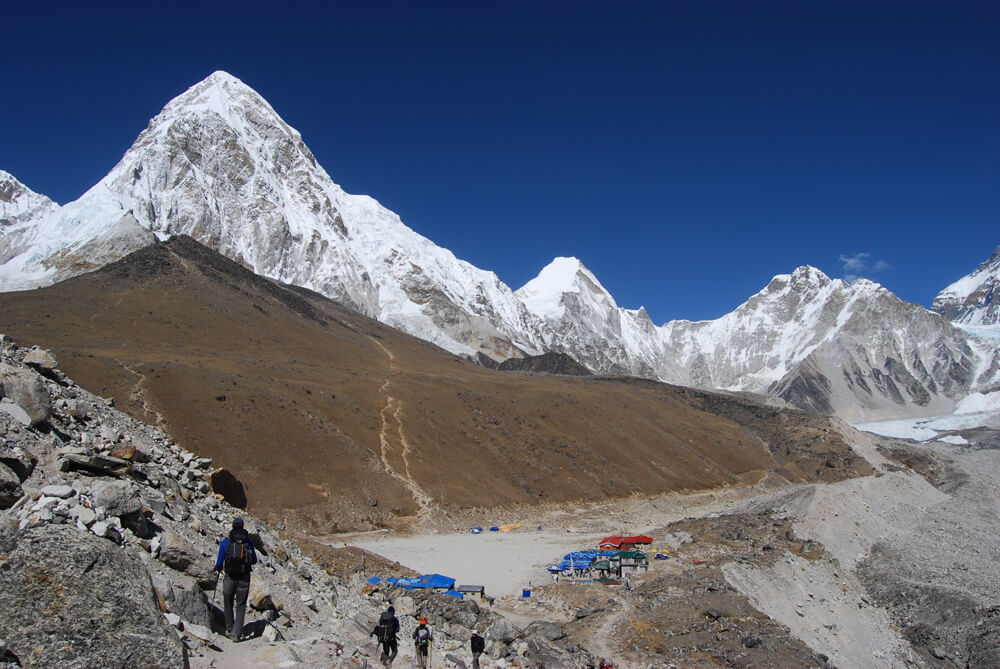
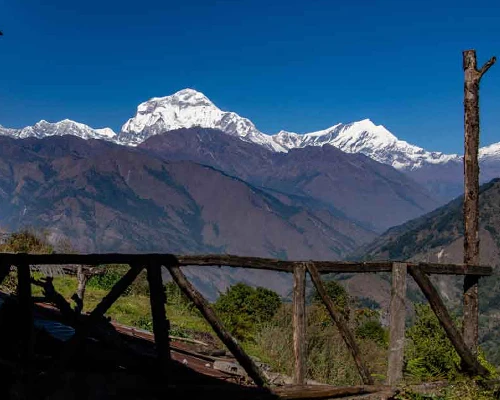
The Everest Three High Passes Trek traverses four distinct and historically rich Himalayan valleys, crossing three spectacular high mountain passes: Kongma La (5,535 m), Cho La (5,420 m), and Renjo La (5,360 m). The journey also includes a visit to Everest Base Camp (5,364 m), the iconic viewpoint of Kala Patthar (5,545 m), and the breathtaking Gokyo Ri (5,357 m), before descending through the beautiful Thame Valley and concluding the trek in Lukla. This challenging Himalayan adventure offers an extraordinary combination of dramatic mountain scenery, high-altitude exploration, and authentic Sherpa culture.
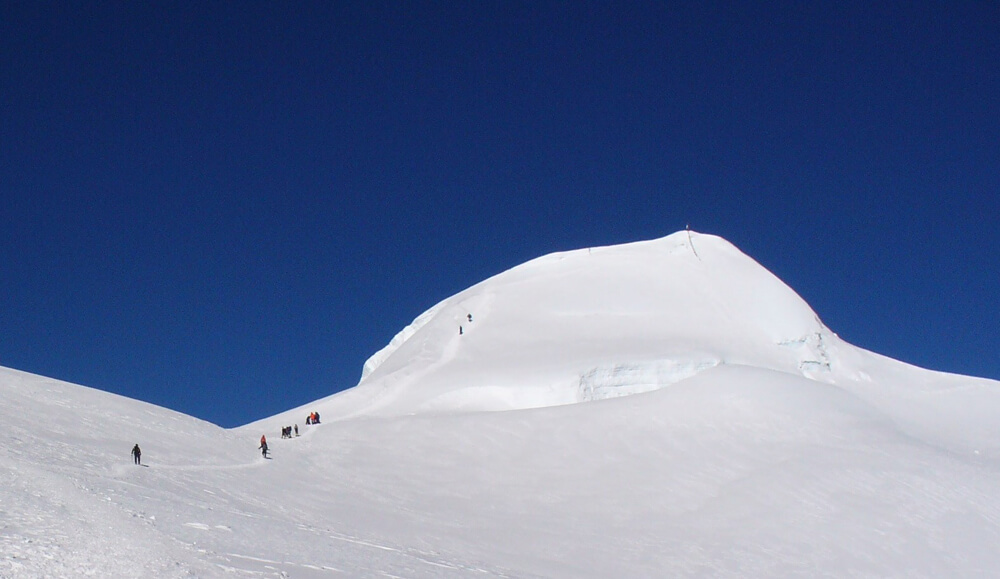
The Mera Peak Trek and climb is a long yet incredibly rewarding adventure through some of the most spectacular landscapes in the Himalayas. Along the way, trekkers and climbers are treated to breathtaking panoramic views of five magnificent 8,000-metre peaks: Mt. Everest, Mt. Lhotse, Mt. Cho Oyu, Mt. Makalu, and Mt. Kanchenjunga, along with numerous other impressive Himalayan summits. The route takes adventurers through the iconic Khumbu region and its remote mountain valleys, offering an unforgettable combination of natural beauty, high-altitude adventure, and authentic Himalayan experiences.
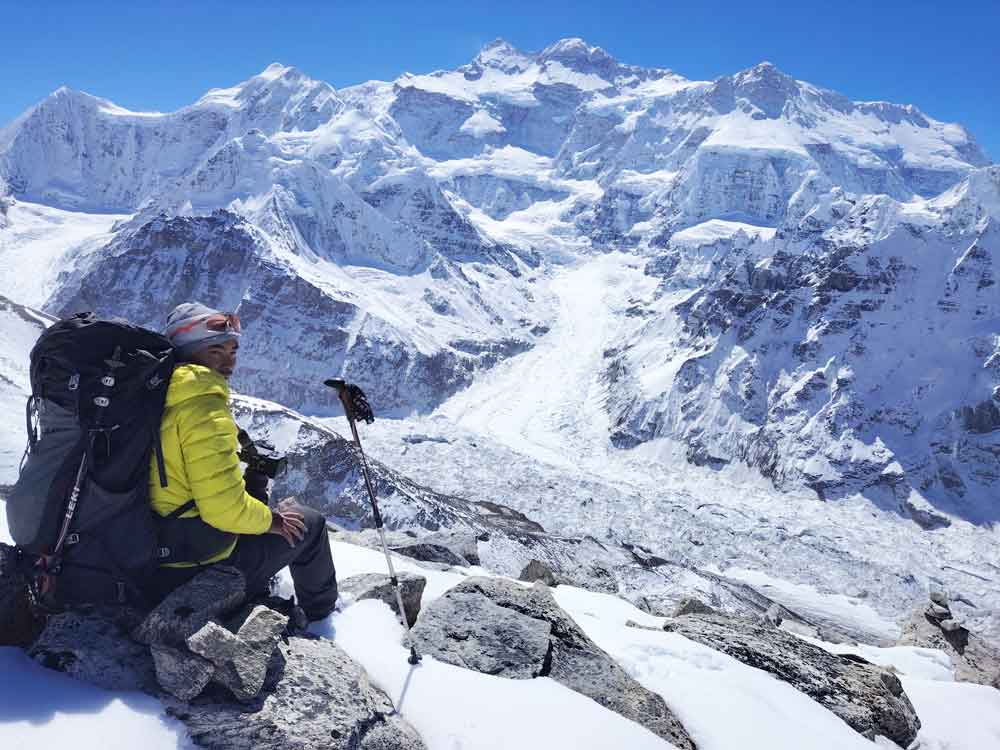
The Kanchenjunga Trek typically takes between 16, 17 and 22 days, depending on the chosen itinerary, starting and ending points, and the trekking route. The duration may vary depending on whether you visit the North Base Camp, South Base Camp, or both, or extend your journey to include the remote and culturally fascinating village of Olangchung Gola near Tibeta border.
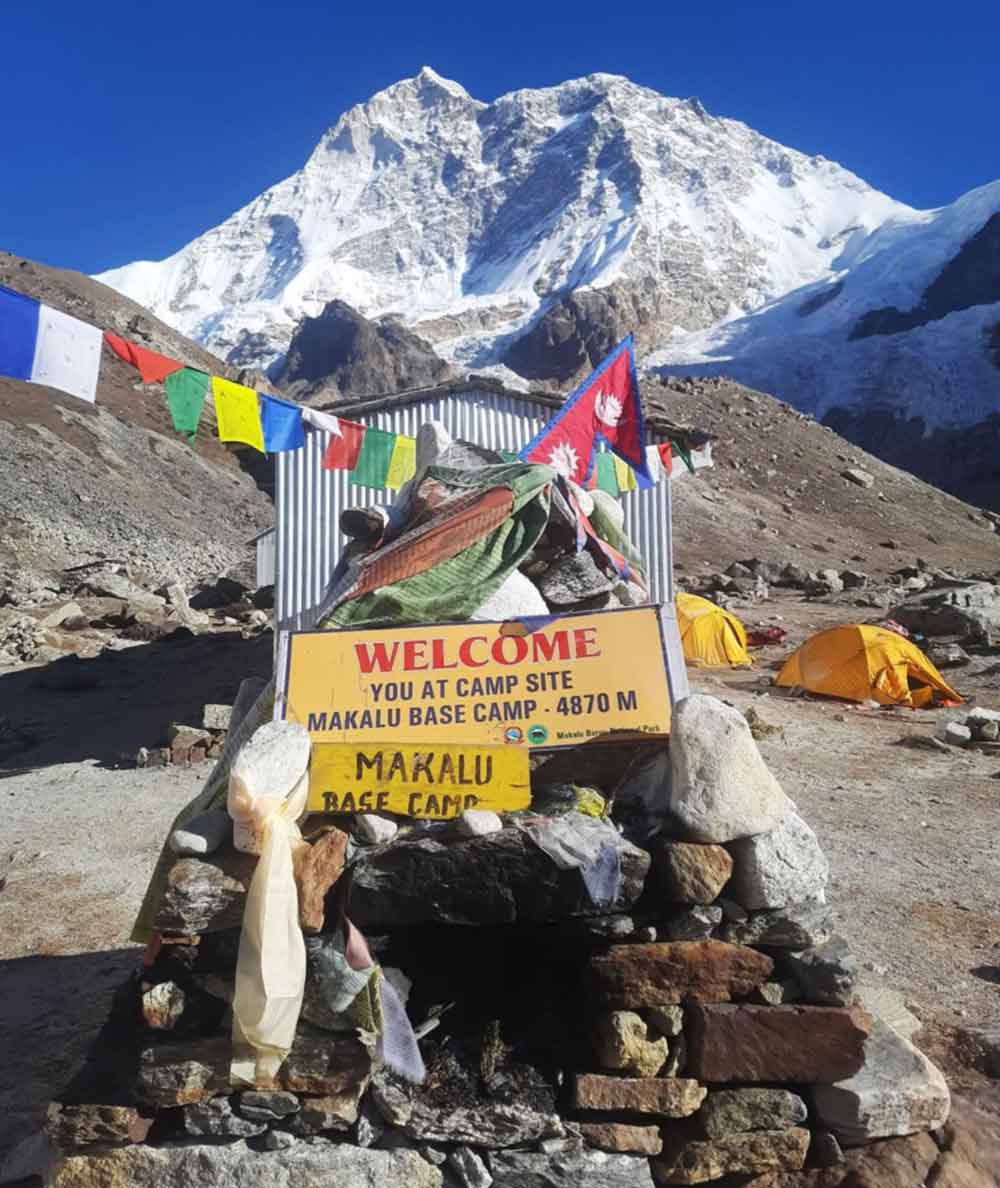
Makalu Base Camp Trek – An Extraordinary Journey into the Untouched Himalayas
The Makalu Base Camp Trek is one of Nepal's most spectacular, remote, and adventurous wilderness journeys, offering an authentic Himalayan experience far beyond the ordinary trekking trails. This challenging expedition takes you deep into an untouched mountain paradise, where rugged high-altitude landscapes, dramatic rocky cliffs, cascading rivers, dense forests, narrow mountain trails, ancient stone steps, glacial valleys, and magnificent snow-covered passes create an unforgettable adventure.
Situated within the spectacular Makalu Barun National Park and Conservation Area, established in 1992, this remarkable region is a treasure trove of Himalayan biodiversity and natural beauty. From pristine forests and diverse flora and fauna to breathtaking mountain panoramas and fascinating traditional villages, every step reveals a new dimension of the Himalayas.
For adventurous travelers seeking solitude, wilderness, authentic cultural encounters, and the thrill of exploring remote mountain landscapes, the Makalu Base Camp Trek is much more than an ordinary trekking holiday. It is a truly rewarding journey into one of the last great wildernesses of Nepal, beneath the magnificent presence of Mt. Makalu (8,485 m), the world's fifth-highest mountain.
"Discover the Hidden Himalayan Kingdom of Ancient Tibetan Heritage"
Geologically, Dolpo forms part of the sedimentary Tibetan-Tethys zone and is one of the most remote and culturally distinctive regions of Nepal. Having remained isolated from the outside world for centuries, Dolpo was officially opened to foreign visitors in 1989. Its long-standing geographical isolation has helped preserve its ancient Tibetan-influenced lifestyle, distinctive culture, traditional language, spiritual beliefs, and centuries-old customs.
Surrounded by spectacular Himalayan mountain ranges, including the magnificent Dhaulagiri massif (8,167 m), Dolpo presents an extraordinary landscape of rugged mountains, deep valleys, barren plateaus, and pristine alpine wilderness. Protected by the surrounding mountain barriers, the region experiences a semi-arid climate with relatively low precipitation, creating a dramatic landscape reminiscent of the vast Tibetan Plateau.
Dolpo is much more than a trekking destination; it is a journey into another world, where ancient traditions, spiritual heritage, and untouched Himalayan wilderness come together. From timeless Tibetan villages and centuries-old monasteries to turquoise alpine lakes, dramatic mountain passes, and breathtaking desert-like landscapes, every step reveals a remarkable story of nature and human resilience.

Lo Manthang, the historic walled capital of Upper Mustang, is renowned as the Last Forbidden Kingdom of the Himalayas. Often associated with the image of a remote, hidden land of happiness and beauty, this fascinating destination preserves a unique blend of ancient Tibetan Buddhist culture, traditional lifestyles, and extraordinary Himalayan landscapes.
Mustang is deeply rooted in Tibetan Buddhist traditions, sharing remarkable cultural, religious, and historical similarities with neighbouring Tibet. It offers travellers a wonderful alternative opportunity to experience authentic Tibetan culture, architecture, spirituality, and landscapes without crossing the international border.
Upper Mustang is also home to numerous fascinating historical landmarks, ancient monuments, and mysterious natural formations, each carrying its own stories, legends, and cultural significance. Some of its remarkable attractions include the impressive Mani Wall of Ghami, the striking red cliffs of Dhakmar Village, the ancient Niphu Caves, and the extraordinary Chhoser Caves, among many others.
Exploring these remarkable sites offers more than a trekking adventure; it is an unforgettable journey into a hidden Himalayan world where ancient history, Buddhist spirituality, distinctive architecture, and timeless traditions remain beautifully preserved.

An Extraordinary Journey beyond the Ordinary
The Langtang–Ruby Valley Trek is one of Nepal's least-explored and most fascinating trekking adventures, combining spectacular Himalayan landscapes with authentic cultural experiences. The journey takes you from the glacier-carved alpine highlands of Langtang Valley to the remote, off-the-beaten-path trails of the magnificent Ganesh Himal region.
The trek begins with an exploration of Langtang's breathtaking mountain scenery, offering spectacular panoramic views of towering Himalayan peaks, traditional yak pastures, dramatic glacial moraines, and pristine alpine landscapes. One of the major highlights is the remarkable Tserko Ri viewpoint (5,030 m), which rewards trekkers with magnificent views of the surrounding Himalayan giants.
Continuing beyond the familiar Langtang trails, the journey leads into the remote and culturally rich Ruby Valley, where traditional Tamang villages, ancient customs, distinctive lifestyles, and warm local hospitality offer a deeper insight into Nepal's authentic Himalayan heritage. This remarkable combination of high-altitude wilderness, mountain adventure, and living cultural traditions makes the Langtang–Ruby Valley Trek an unforgettable experience for travellers seeking to discover the less-explored side of Nepal.
"A Journey through Alpine Wilderness and Sacred Himalayan Landscapes"
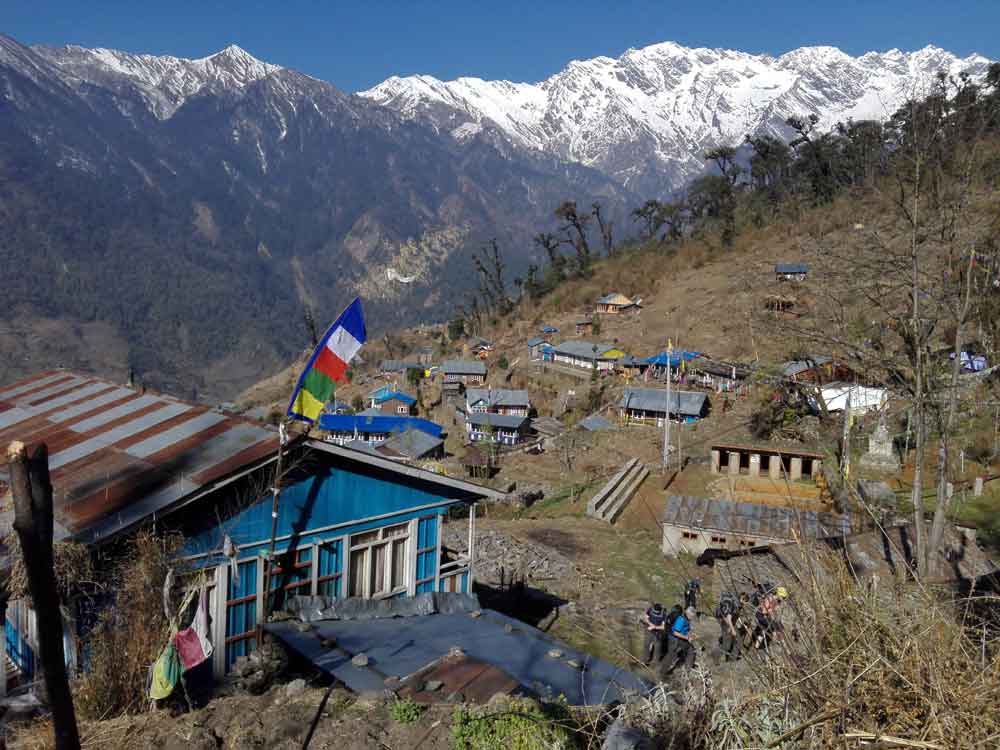
The Langtang–Gosaikunda Trek is a rewarding alternative to Nepal’s popular Everest, Manaslu and Annapurna routes. It combines spectacular Himalayan panoramas, peaceful forest trails, traditional mountain villages, secluded viewpoints and beautiful alpine landscapes, offering an authentic trekking experience away from the busier trails.
The journey follows the magnificent Langtang Valley through lush forests and traditional settlements, including Lama Hotel and Ghoda Tabela, before reaching Langtang Village. Rebuilt after the devastating 2015 earthquake, the village reflects the remarkable resilience of its local communities. The trail then continues to Kyanjin Gompa, the final major settlement in the valley, surrounded by towering Himalayan peaks, glaciers and breathtaking mountain scenery.
From Langtang, the adventure continues towards the sacred Gosaikunda Lakes, situated high in the Himalayas. Revered by both Hindu and Buddhist devotees, these alpine lakes are important pilgrimage sites known for their turquoise waters, dramatic mountain setting and peaceful spiritual atmosphere.
Combining pristine Himalayan wilderness, rich Tamang culture and sacred pilgrimage destinations, the Langtang–Gosaikunda Trek offers an unforgettable journey for travellers seeking natural beauty, cultural exploration and spiritual tranquillity in Nepal.
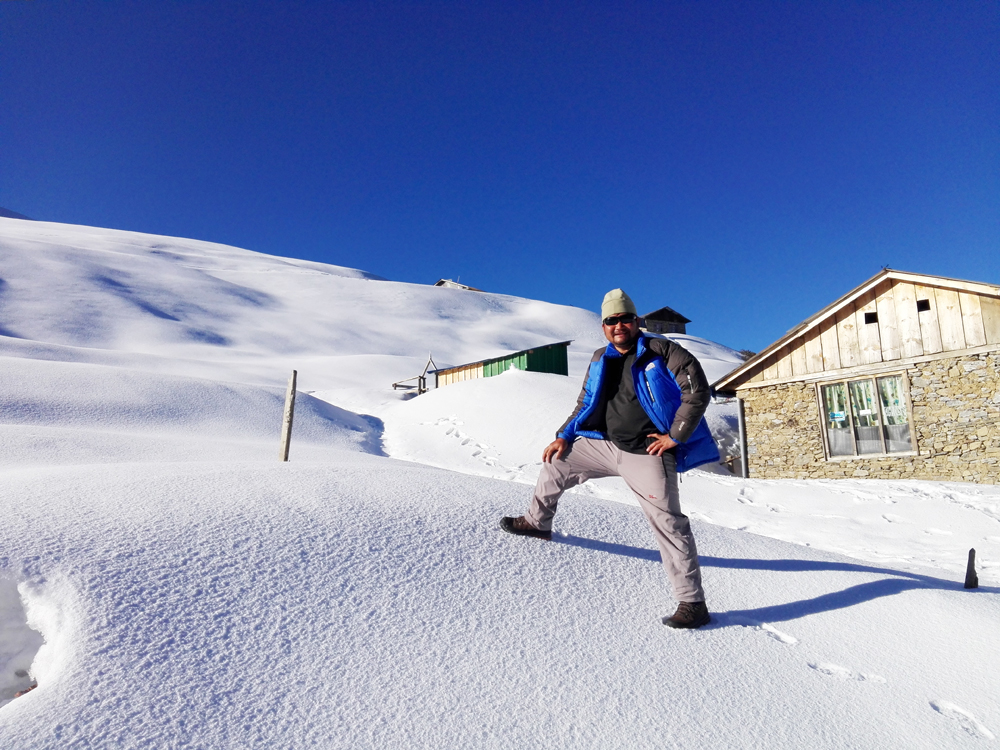
The Manaslu Region is one of the country’s less-travelled section in Nepal. Dominated by the magnificent Mt. Manaslu (8,163m), the world’s eighth-highest mountain, this region is renowned for its spectacular scenery and traditional Himalayan lifestyle. The name “Manaslu” originates from the Sanskrit word Manasa, meaning “mountain of the spirit.” The journey begins in the historic kingdom of Gorkha and follows the beautiful Budhi Gandaki Valley through remote villages, dramatic gorges and breathtaking mountain landscapes.

A Remote Himalayan World
Nar–Phu Valley lies in the northern part of Manang District in the high-altitude Trans-Himalayan region, largely above the tree line and near the upper limits of traditional cultivation. Isolated from the outside world for generations, the valley remained a restricted area until it opened to foreign trekkers in 2003. Its geographical remoteness and limited external contact helped preserve its distinctive Tibetan-influenced culture, traditional lifestyle and ancient customs.
For centuries, local communities have depended mainly on livestock herding, seasonal farming and traditional trans-Himalayan trade for their livelihoods. Even today, Nar and Phu offer a rare glimpse into a traditional Himalayan way of life, surrounded by dramatic landscapes, rugged mountains and timeless cultural heritage

A Legendary Himalayan Adventure
The Annapurna Circuit Trek is one of Nepal’s most iconic and classic trekking adventures, offering an unforgettable combination of spectacular mountain scenery, diverse landscapes and rich Himalayan culture. The journey rewards trekkers with panoramic views of magnificent peaks, including Mt. Annapurna I, Mt. Dhaulagiri I and Mt. Manaslu, along with numerous other Himalayan giants.
Highlights include the breathtaking turquoise waters of Tilicho Lake, one of the world's highest-altitude lakes; the sacred Muktinath Temple; the ancient villages of Kagbeni and the gateway to Upper Mustang; centuries-old monasteries; and the natural hot springs of Tatopani. The adventure can also be combined with a visit to Poon Hill, renowned for its spectacular sunrise views over the Annapurna and Dhaulagiri ranges.
Blending dramatic mountain landscapes, traditional villages, spiritual heritage and diverse natural wonders, the Annapurna Circuit is truly a dream journey for trekkers seeking an authentic Himalayan experience.