Everest Sherpa Villages Trekking (14 days)Everest Sherpa Villages Trekking (14 days)

Sherpa Villages Trek in Everest

  • Duration14 Days
  • DestinationEverest Region
  • Difficulty Moderate
  • Max Altitude Approximately 4,000 m
  • Activity Trekking and Cultural Exploration
  • Group Size Max 20
  • Accommodation Hotels and comfortable teahouse lodges
  • Meals Breakfast, lunch and dinner during trek
  • Transportation Domestic flights and private vehicles
  • Starts KTM
  • Ends KTM
  • Best Season March–May and September–November
Overview
Trip Highlights
  • Traditional Sherpa culture, Tibetan Buddhist traditions and local hospitality.
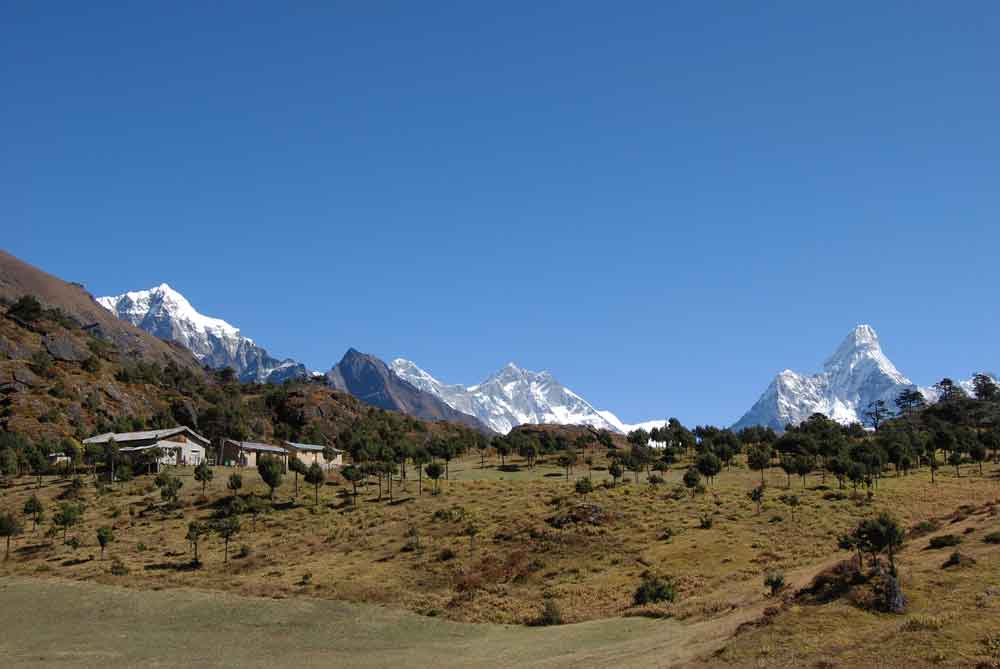
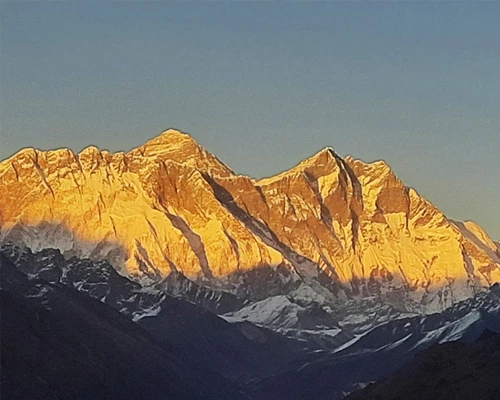
  • Spectacular views of the world's highest mountains, including Mount Everest and surrounding Himalayan peaks.
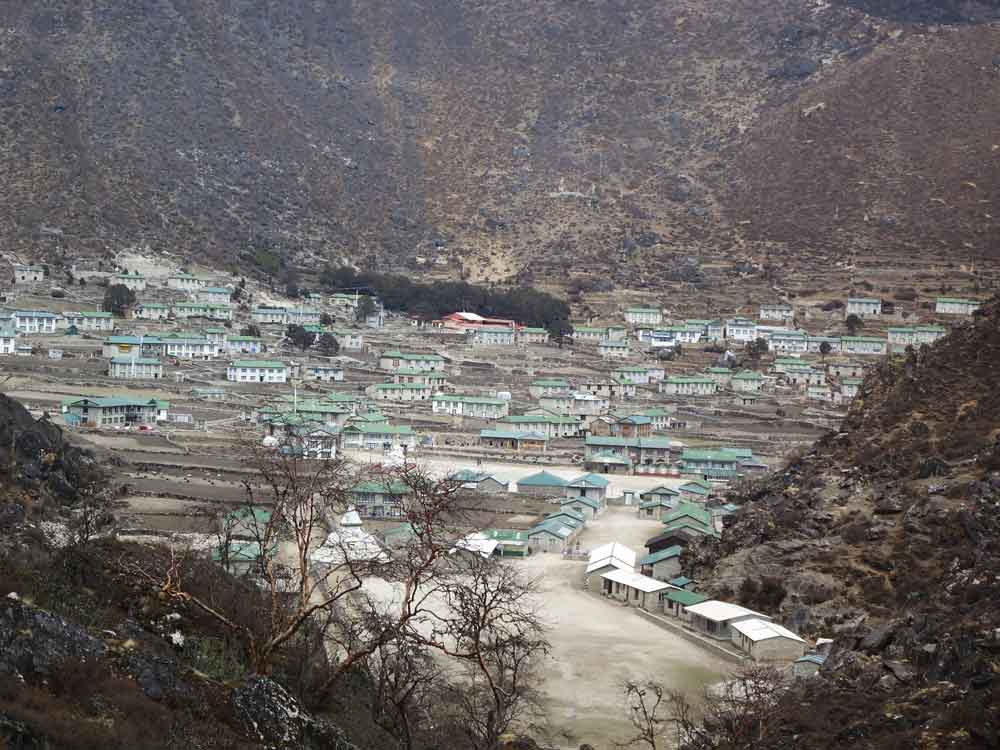
  • Ancient Sherpa settlements, traditional stone houses and historic trading routes.
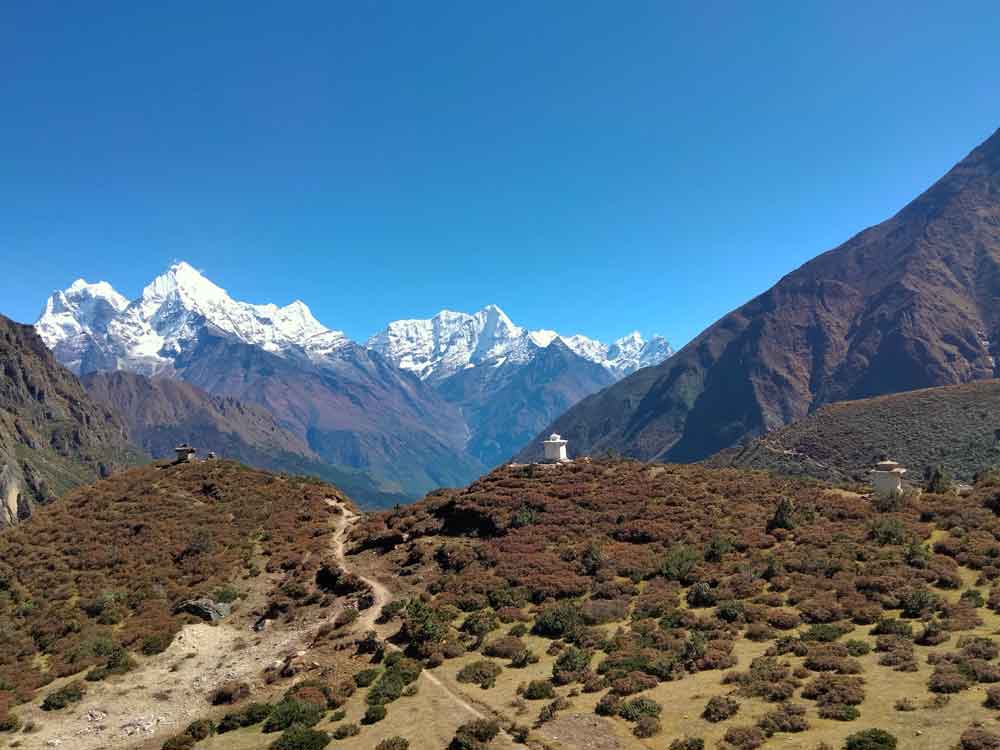
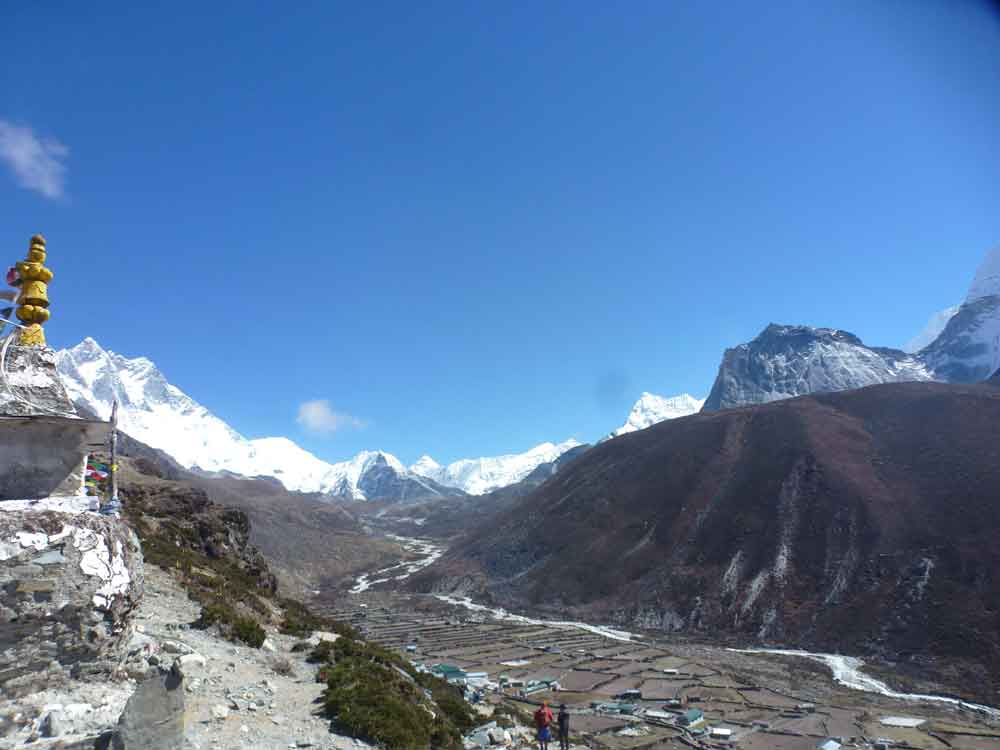
  • Buddhist monasteries (Gompas), prayer flags, Chortens and Mani walls.
  • Yaks and Naks grazing in alpine pastures.
  • Opportunities to observe Himalayan wildlife, including Himalayan blue sheep (Bharal), Himalayan tahr and musk deer.
  • The colorful Himalayan monal (Danphe), Nepal's national bird.
  • The famous Yeti scalp preserved at Khumjung Monastery.
  • Local museums, traditional architecture and the historic Himalayan salt-trading route.

Discover the Traditional Sherpa Villages of the Everest Region.

Sherpa Villages Trekking

The Everest Sherpa Villages Trek is a rewarding 14-day Himalayan journey that combines breathtaking mountain scenery, traditional Sherpa settlements, Buddhist heritage, and authentic local experiences in the heart of the Khumbu region of Nepal. Unlike the classic Everest Base Camp Trek, this journey focuses on exploring the cultural and historical heartland of the Sherpa people while enjoying spectacular views of Mount Everest and its surrounding Himalayan peaks.

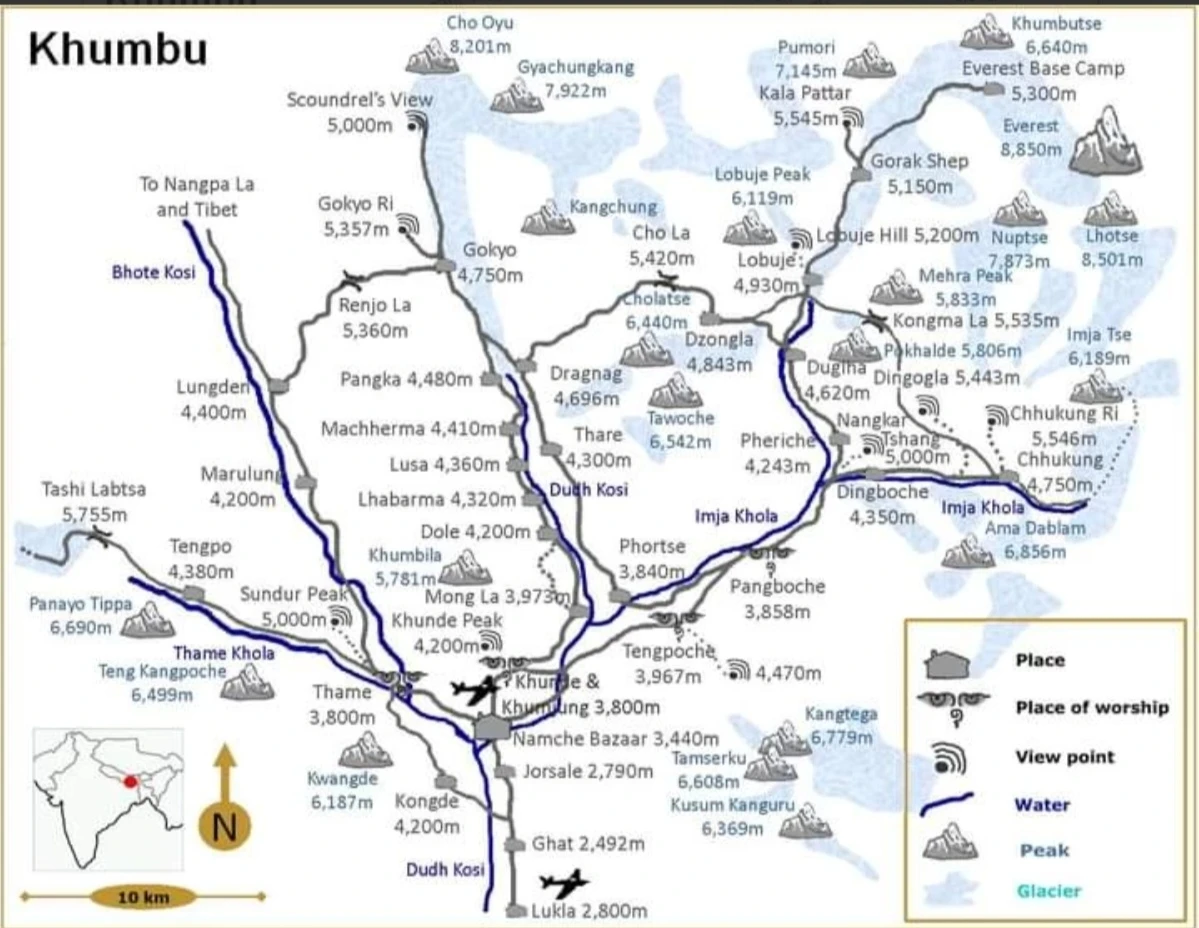
Beginning with a scenic flight to Lukla, the trail follows the legendary Everest trekking route towards Namche Bazaar, the vibrant gateway to the Khumbu region. From here, the journey takes a beautiful clockwise route through the traditional villages of Thame, Khumjung, Khunde, Phortse, and Pangboche, each offering a distinctive insight into Sherpa culture, mountain traditions, and everyday Himalayan life.

Explore the historic Thame Valley, renowned for its mountaineering heritage and ancient Buddhist monastery. Visit Khumjung, one of the largest traditional Sherpa settlements in the region, and discover its historic monastery, Hillary School, and nearby Khunde village. Continue through the picturesque settlement of Phortse, surrounded by terraced fields and magnificent mountain landscapes, before reaching Pangboche, home to one of the oldest Buddhist monasteries in the Khumbu region.

Throughout the trek, you will encounter colorful prayer flags, ancient monasteries, mani walls, chortens, traditional stone houses, yak pastures, and welcoming mountain communities. The route also offers magnificent views of Mount Everest, Lhotse, Ama Dablam, Thamserku, Kongde, and numerous other Himalayan peaks.

The Everest Sherpa Villages Trek is an excellent choice for travelers seeking a combination of Himalayan adventure, cultural discovery, traditional village exploration, and comfortable teahouse accommodation. With a carefully planned itinerary, experienced local guides, and sufficient time to explore the surrounding landscapes, Touren Nepal Treks offers a memorable opportunity to discover the authentic Sherpa heritage of the Everest region.

Why choose the Everest Sherpa villages Trek?

Thame Village

The Everest Sherpa Villages Trek offers a different perspective on the Everest region. Rather than concentrating only on reaching Everest Base Camp, this journey allows you to spend more time discovering the traditional villages, cultural landmarks, and mountain communities that make the Khumbu region so special.

The carefully planned clockwise route connects several historically significant Sherpa settlements around Namche Bazaar, providing opportunities to experience local traditions, Buddhist spirituality, mountain agriculture, and the region's remarkable mountaineering heritage.

At Touren Nepal Treks, we emphasize responsible tourism, professional trekking services, and meaningful local experiences. Our experienced guides have extensive knowledge of the Khumbu region, its mountain trails, local communities, and cultural traditions. We aim to provide a comfortable, supportive, and memorable trekking experience while respecting local culture and protecting the Himalayan environment.

Who is this Trek suitable for?

This trek is ideal for travelers interested in Sherpa culture, traditional Himalayan villages, Buddhist monasteries, mountain scenery, and authentic trekking experiences. It is particularly rewarding for cultural explorers, nature lovers, and photographers, families with suitable fitness levels, and trekkers who prefer exploring the Everest region without the longer and higher-altitude journey to Everest Base Camp.

Previous trekking experience is helpful but not essential for reasonably fit travelers. However, participants should be prepared for several hours of walking each day, steep uphill and downhill sections, and the effects of altitude.

Itinerary

Upon arrival at Tribhuvan International Airport in Kathmandu, you will be warmly welcomed with a flower garland or Buddhist Khaadak and transferred to your hotel. In the evening, enjoy a trek briefing followed by a special welcome dinner.

Today is dedicated to preparing for your upcoming Everest Sherpa Villages Trek and exploring some of the cultural highlights of Kathmandu Valley. After breakfast, our representative will meet you at your hotel and assist with the necessary trekking preparations, including checking your trekking equipment, finalizing arrangements and briefing you about the journey.

If time permits, enjoy a short sightseeing tour of Kathmandu, visiting some of the valley's famous UNESCO World Heritage Sites, such as Kathmandu Durbar Square, Swayambhunath (the Monkey Temple) or Boudhanath Stupa. These historical and spiritual landmarks offer a wonderful introduction to Nepal's rich cultural heritage, ancient architecture and religious traditions.

Later, you can enjoy some free time for shopping, relaxing or making any last-minute preparations before beginning your exciting Himalayan adventure.

During the peak trekking seasons, flights to Lukla generally operate from Manthali Airport (Ramechhap) rather than Kathmandu. Therefore, you will travel by private vehicle for approximately 4 hours from Kathmandu to Manthali. If your schedule allows, you can drive in the afternoon and stay overnight near Manthali. Otherwise, you will depart Kathmandu around midnight to catch an early-morning flight to Lukla.

The scenic flight from Manthali to Lukla takes approximately 25 minutes. Upon arrival, your supporting crew will welcome you at the airport and escort you to a local lodge for breakfast. Meanwhile, your guide will coordinate the team, introduce the crew, and prepare for the trek. After breakfast, begin your journey with a gentle descent through Chaurikharka, Kyangjuma and Ghat before reaching Phakding (2,610 m), where you will stay overnight.

namche

After breakfast, we begin our trek towards Namche Bazaar, following the beautiful banks of the Dudh Koshi River. Today's trail crosses several exciting suspension bridges, including the famous Hillary Suspension Bridge, while passing through small Sherpa settlements such as Banker, Monjo, and Jorsalle. At Monjo, we enter Sagarmatha National Park, where trekking permits are checked at the entrance checkpoint in Jorsalle.

Throughout the day, enjoy magnificent views of Thamserku, Kusum Kanguru, and Kongde Ri. From Jorsalle, the trail follows the riverbed before reaching the confluence of the Dudh Koshi and Bhote Koshi rivers. We then begin a challenging uphill ascent towards Namche Bazaar, the vibrant Sherpa capital of the Khumbu region.

After approximately 1.5 hours of climbing, we reach a scenic viewpoint where, weather permitting, you will enjoy your first breathtaking views of Mount Everest (8,848.86 m) and Lhotse (8,516 m). From here, another 45 minutes of walking brings us to Namche Bazaar, where we check into our lodge for an overnight stay. A final permit checkpoint is also located near the entrance to Namche Bazaar.

Today is an ideal day for altitude acclimatization and exploring the beautiful surroundings of Namche Bazaar. After breakfast, we take a short hike uphill towards the viewpoints above the village and the Sherpa Culture Museum. Enjoy spectacular Himalayan panoramas, including the statue of Tenzing Norgay Sherpa and magnificent views of Mount Everest, Lhotse, Nuptse, Ama Dablam, Thamserku, Tawache, Kusum Kanguru, Kongde Ri, and Thame Peak.

Continue climbing towards Syangboche Airstrip, one of the world's highest-altitude airstrips. From there, pass by the famous Everest View Hotel for the best views.

thame

Begin your trek after breakfast, following the historic trail through the beautiful Bhote Koshi River Valley, home to the legendary Sherpa people. The Sherpa community migrated from Tibet to the Khumbu region centuries ago, bringing their distinctive Buddhist traditions, culture and mountain lifestyle.

The trail gradually leads through beautiful alpine forests, traditional settlements and Thamo village before reaching Samde village, a typical Sherpa settlement. Continue along the scenic riverside trail and cross the Bhote Koshi River via a suspension bridge. After approximately 30 minutes of uphill walking, you will arrive at the historic Thame village.

Thame is one of the most culturally significant Sherpa settlements in the Everest region. It is renowned as the birthplace and home village of several legendary Himalayan mountaineers, including Tenzing Norgay Sherpa and renowned Everest record holders such as Apa Sherpa, Ang Rita Sherpa, Ang Kami Sherpa and Pasang Kami Sherpa.

Enjoy the peaceful atmosphere, traditional stone houses and spectacular mountain surroundings of this remarkable Sherpa village. Overnight at a comfortable local mountain lodge in Thame.

khumjung

After breakfast, begin your trek from Thame, retracing part of the scenic trail towards Namche Bazaar before turning towards Thamo village. From here, follow beautiful hillside trails through expansive alpine pastures and traditional grazing lands overlooking the Namche Bazaar valley.

Along the way, you may encounter yaks grazing in the open meadows and, with some luck, spot Himalayan wildlife in their natural habitat. The route offers spectacular views of surrounding mountains, rolling hills and picturesque landscapes. You will also pass the Syangboche airstrip, one of the highest-altitude airstrips in the world, before continuing along a scenic ridge towards Khumjung.

Finally, descend into the beautiful and relatively secluded Khumjung village, nestled beneath the impressive slopes of Khumbila Peak. Known for its traditional Sherpa houses, Buddhist monastery and rich cultural heritage, Khumjung is one of the most charming settlements in the Everest region.

Enjoy the peaceful mountain atmosphere and warm Sherpa hospitality. Overnight at a comfortable local lodge in Khumjung.

Enjoy a cultural excursion around Khumjung village. Visit the famous Hillary School, Khunde Hospital (health centre) and the historic Khumjung Monastery, where a purported Yeti scalp is preserved. These important landmarks offer fascinating insights into Sherpa culture, Himalayan history and the development of education and healthcare in the Everest region.

After exploring Khumjung, continue your trek towards the traditional Sherpa settlement of Phortse, one of the oldest and most picturesque villages in the Khumbu region. The trail gradually ascends towards Mong La (approximately 3,975 m), also known as Mongla Danda, offering magnificent views of surrounding Himalayan peaks and beautiful valleys.

From the pass, descend for approximately 45 minutes through beautiful Himalayan fir and rhododendron forests towards the Dudh Koshi River. Cross the river and begin a gradual uphill ascent through peaceful alpine woodland and traditional mountain landscapes before reaching Phortse village.

Enjoy the spectacular mountain scenery, traditional Sherpa architecture and peaceful atmosphere of this beautiful settlement. Overnight at a comfortable local mountain lodge in Phortse.

everest-view

After breakfast, enjoy a short morning excursion around Phortse village, exploring its traditional Sherpa houses, stone-walled fields and beautiful mountain surroundings. Then, follow the scenic pastoral trail towards Pangboche, passing alpine landscapes, grazing pastures and traditional mountain settlements.

The trail offers wonderful views of the surrounding Himalayan peaks, including the magnificent Ama Dablam. Enjoy the peaceful atmosphere and natural beauty of the Khumbu Valley as you make your way towards Pangboche.

You will arrive in Pangboche around midday. After lunch, explore this historic Sherpa village and visit its famous ancient Pangboche Monastery, traditionally regarded as one of the oldest Buddhist monasteries in the Everest region. Discover the village's rich Buddhist heritage, traditional architecture and spiritual atmosphere.

Enjoy the rest of the afternoon exploring the village and interacting with the local Sherpa community. Overnight at a comfortable mountain lodge in Pangboche.

pangboche

After breakfast, begin your descent from Pangboche, following the scenic trail through traditional Sherpa settlements and beautiful alpine landscapes. Enjoy magnificent views of Ama Dablam, Thamserku and other spectacular Himalayan peaks as you descend towards the Imja Khola valley.

Continue through the charming villages of Deboche and Tengboche, where you can admire the famous Tengboche Monastery, one of the most important Buddhist spiritual centres in the Khumbu region. From here, descend through beautiful rhododendron and pine forests towards Phunki Tenga before climbing gradually towards Kyangjuma.

The final section follows the familiar trail through beautiful mountain scenery before reaching Namche Bazaar, the vibrant Sherpa trading town and gateway to the Everest region.

Enjoy a relaxing evening in Namche Bazaar, with time to explore its lively streets, cafés and local shops. Overnight at a comfortable mountain lodge.

Begin your final day of trekking from Namche Bazaar towards Lukla. Follow the familiar trail descending through beautiful pine forests, traditional Sherpa settlements and picturesque mountain landscapes.

Along the way, cross several suspension bridges over the Dudh Koshi River, pass through Monjo, Jorsalle and Phakding, and enjoy the last glimpses of the magnificent Himalayan scenery.

The trail includes several uphill and downhill sections, with a gradual ascent towards Lukla during the final stretch. Upon arrival, celebrate the successful completion of your memorable Everest Sherpa Villages Trek with your trekking guide and team.

Enjoy your final evening in the Khumbu region and overnight at a comfortable lodge in Lukla.

Transfer to Lukla Airport for your scenic morning flight back to Kathmandu. Enjoy one last spectacular aerial view of the Himalayan mountains, deep valleys and beautiful landscapes of the Everest region as you fly towards the capital.

Upon arrival at Kathmandu Airport, our representative will welcome you and transfer you to your hotel. The rest of the day is free for relaxation, shopping or exploring the vibrant streets of Kathmandu.

Note: Lukla flights may operate via Ramechhap Airport during peak trekking seasons, requiring an additional road transfer to Kathmandu. Flight arrangements depend on airline schedules, weather and operational conditions

Enjoy a relaxing free day in Kathmandu after completing your memorable Everest Sherpa Villages Trek. You can spend the day at your own pace, exploring the vibrant streets of Thamel, shopping for traditional Nepali handicrafts, souvenirs, trekking equipment and local products.

Alternatively, you may visit nearby cultural attractions, enjoy authentic Nepali cuisine or simply relax at your hotel after your Himalayan adventure.

This is also a perfect opportunity to celebrate your successful trek, share your experiences and enjoy the warm hospitality of Nepal before your international departure.

Route Map
Sherpa Villages Trek in Everest map
Cost Details

Note: Cost and Package Options

At Touren Nepal Treks, we offer the Everest Sherpa Villages Trek at competitive and reasonable prices without compromising on service quality, safety or comfort. We provide special discounts for larger groups, travel companies, partner agents, student groups and nonprofit organizations.

We offer two different trekking package options to suit your budget, travel preferences and requirements:

1. Full Package Tour

Our full package tour covers all essential trekking arrangements, allowing you to enjoy a hassle-free Himalayan adventure. The package includes necessary transportation, experienced trekking staff wages and insurance, trekking permits, meals and accommodation throughout the journey, as specified in your package itinerary.

2. Service Package Tour

Our service package is ideal for independent trekkers who prefer greater flexibility and control over their travel expenses. Touren Nepal Treks arranges the agreed trekking services, including guide and porter support and necessary permits. However, clients pay directly for their own meals, transportation and accommodation during the trek.

What's included
  • Airport pick up and drop with private vehicle
  • Hotel Room on B/B Planning basis in Kathmandu (Before & after trekking)
  • Kathmandu - Ramechhap- Kathmandu drive with private vehicle before and after trekking
  • Domestic plane ticket for both ways ( Ramechhap- Lukla- Ramechhap)
  • Plane ticket or transportation charge for your guide.
  • Trekking permit related to National park fees, TIMPS, and Local permits.
  • Local accommodation and three times meals (Breakfast, lunch, Dinner) during the trek including hot drinks.
  • Necessary Guide and Porters for your support on the Trekking
  • Guide's and porter's salary including their trekking insurance, equipment, food, and accommodation.
  • Private vehicle for 1-day sightseeing in Kathmandu
  • Service charges and farewell dinner
What's not included
  • Nepal entry visa
  • Your Travel insurance
  • Your International airfare
  • Lunch and dinner during your stay in Kathmandu
  • Entrance fees at UNESKO's cultural world heritage site in Kathmandu
  • Tips for your trekking staff.
  • Your health insurance and expenses.
  • Helicopter price in case you need to be evacuated.
  • Your travel or trekking insurance
  • Drinks: bottled drinks like Coke, Fanta, mineral water, canned juice, mars, bars & cereals
Useful Info

Domestic Flights to and from Lukla

Due to air traffic congestion at Kathmandu Airport, during peak trekking seasons (March 15–May 15 and September 25–November 30), scheduled passenger flights to and from Lukla generally operate from Manthali Airport in Ramechhap, subject to airline schedules and Civil Aviation Authority arrangements.

The Route: The journey involves a 4–5-hour drive from Kathmandu to Manthali via the BP Highway, usually departing around 1:30 AM, followed by an approximately 15-minute flight to Lukla.

Our Recommendation – Travel to Manthali a Day Earlier

At Touren Nepal Treks, we recommend that our clients travel from Kathmandu to Manthali a day before their scheduled Lukla flight whenever possible. Staying overnight near Manthali offers a more relaxed and comfortable start to the trek, allowing you to enjoy the scenic countryside along the way without the stress of an overnight drive.

Most trekkers travel from Kathmandu in the middle of the night to catch early-morning flights from Manthali. This can be tiring due to limited sleep and the long road journey. Furthermore, unpredictable road conditions, traffic, weather, or other unexpected delays may affect your arrival time and could result in missing your scheduled flight.

By travelling a day earlier, you can avoid the exhausting early-morning drive, get sufficient rest, and begin your Himalayan adventure in a more comfortable and stress-free way.

Road and Vehicle Facilities

The road network in the lower Everest region is gradually expanding towards Lukla. However, some sections remain under construction, making the journey adventurous, bumpy and highly dependent on seasonal road conditions.

The overland journey from Kathmandu to Salleri takes approximately 10–12 hours, depending on road and traffic conditions. From Salleri, the journey towards Surke can take another 8–9 hours or longer. A suitable 4WD jeep or local vehicle is generally required for this rugged mountain road. Vehicle changes may be necessary along the way, depending on road accessibility and local transportation arrangements.

During favorable weather and road conditions, vehicles can reach Surke, which is approximately one hour's walk from Lukla Airport. However, heavy rainfall, landslides, floods and road damage can disrupt transportation. In such circumstances, passengers may need to walk a longer distance before reaching an accessible vehicle point.

If your Lukla flight is cancelled due to unfavorable weather, or you have additional time to explore the lower Everest region, an overland journey can be an exciting alternative. It provides an opportunity to experience beautiful mountain landscapes, traditional settlements and rural life in the Solukhumbu region.

Walking Trails and Terrain

The Everest Sherpa Villages Trek follows diverse and beautiful Himalayan trails through dense rhododendron forests, traditional Sherpa settlements, waterfalls, river valleys, ridges and spectacular viewpoints.

Along the way, you will cross several suspension bridges, stone staircases, winding mountain paths and refreshing streams. The trails also pass traditional Chautaras (resting places), alpine pastures, terraced farmland and peaceful wilderness areas.

Depending on the season and route, you may encounter wild beehives, natural hot springs and beautiful mountain landscapes. The combination of uphill and downhill sections makes this trek an enjoyable adventure for trekkers who appreciate nature, culture and traditional mountain trails.

Daily Walking Hours

Our Everest Sherpa Villages Trek itinerary is designed with a comfortable and flexible walking schedule. Each trekking day generally begins after breakfast, allowing you to enjoy the journey at a relaxed pace while appreciating the surrounding Himalayan scenery.

Walking hours usually range from approximately 4 to 8 hours per day, depending on the destination, trail conditions, altitude gain and individual walking pace.

We encourage trekkers to walk steadily, take regular breaks, enjoy the mountain views and experience the local culture rather than rushing to reach the next destination.

Landscapes and Temperature in the Sherpa Villages

The Everest Sherpa Villages Trek offers an extraordinary variety of landscapes, from lush green forests and terraced agricultural fields to alpine valleys and dramatic Himalayan mountain scenery.

You will explore traditional Sherpa villages decorated with Tibetan Buddhist cultural influences, colourful prayer flags, ancient monasteries, stupas, Chortens and long Mani walls. Spectacular suspension bridges, flowing rivers, cascading waterfalls, mountain pastures and panoramic viewpoints add further beauty to the journey.

The temperature varies according to altitude, season and weather conditions. Spring and autumn generally offer pleasant daytime temperatures and favorable trekking conditions. Evenings and early mornings can become considerably colder, particularly at higher elevations. Most local lodges have warm dining rooms where trekkers can relax after a rewarding day on the trail.

Accommodation and Food in Himalayan Sherpa Villages

Comfortable local teahouses, mountain lodges and hotels are available throughout most of the Everest Sherpa Villages Trek. These establishments provide welcoming hospitality and an opportunity to experience traditional Sherpa mountain lifestyles.

Rooms are generally available on a twin-sharing basis, while single rooms may be arranged subject to availability. Some lodges offer attached bathrooms and hot showers, although facilities vary between villages and accommodation categories.

You can choose from a variety of freshly prepared meals on local lodge menus. Common options include traditional Nepali Dal Bhat, noodles, soups, rice, pasta, potatoes, Tibetan bread, eggs and other international dishes.

Our team helps arrange suitable accommodation and meals according to your package arrangements and personal preferences.

Hydration

Fresh running water is available at many villages and mountain lodges along the trekking route. However, untreated water from streams, taps and natural sources should not be considered automatically safe for drinking.

We recommend using reliable water purification tablets, a suitable portable water filter or properly treated drinking water. Bottled mineral water and boiled or filtered water are also available at many local lodges, although prices generally increase at higher elevations.

Staying adequately hydrated is important throughout the trek. Carry a reusable water bottle and drink regularly during your daily walks.

Altitude Sickness and Acclimatization

The Everest Sherpa Villages Trek generally follows a more gradual cultural trekking route than some of the higher-altitude Everest adventures. However, parts of the journey still reach significant elevations, and altitude sickness can affect anyone regardless of age, fitness or trekking experience.

Proper acclimatization is therefore essential. Our itinerary allows time for gradual altitude adaptation, and we encourage trekkers to follow the important mountain principle of climbing higher and sleeping lower whenever the route permits.

Walk slowly, avoid unnecessary rushing, drink sufficient fluids and maintain adequate nutrition and rest. Never ignore symptoms such as headaches, nausea, dizziness, unusual fatigue or loss of appetite.

If symptoms develop or become worse, inform your guide immediately. Descending to a lower altitude is the most important treatment for suspected altitude sickness. Do not continue ascending while experiencing worsening symptoms.

With a carefully planned itinerary, responsible trekking practices and appropriate acclimatization, you can enjoy a safer and more rewarding Everest Sherpa Villages adventure. However, no trekking route can completely eliminate the risk of altitude-related illness.

FAQS
  • 1. What is the Everest Sherpa Villages Trek?

    The Everest Sherpa Villages Trek is a 14-day cultural and scenic trekking adventure through the traditional Sherpa settlements of Nepal's Khumbu region. It explores Namche Bazaar, Thame, Khumjung, Khunde, Phortse, and Pangboche while offering spectacular Himalayan mountain views and opportunities to experience Sherpa culture and Buddhist traditions.

    2. How difficult is the Everest Sherpa Villages Trek?

    The trek is considered moderately challenging. Although it does not require crossing Technical Mountain passes or reaching Everest Base Camp, trekkers should be prepared for 4–7 hours of walking per day, steep ascents and descents, and high-altitude conditions. Reasonable fitness and previous hiking experience are beneficial.

    3. What is the highest altitude on the Everest Sherpa Villages Trek?

    The trek reaches approximately 4,000 metres above sea level, depending on the final route and viewpoints visited. The altitude requires gradual acclimatization and appropriate trekking preparation.

    4. Which Sherpa villages do we visit during this trek?

    The main settlements include Namche Bazaar, Thame, Khumjung, Khunde, Phortse, and Pangboche. Each village offers distinctive cultural attractions, traditional architecture, Buddhist heritage, and mountain scenery.

    5. What is the best time for the Everest Sherpa Villages Trek?

    Spring (March to May) and autumn (September to November) are the best seasons. These periods generally offer favorable trekking conditions, pleasant daytime temperatures, and excellent mountain views.

    6. Do I need previous trekking experience?

    Previous trekking experience is helpful but not compulsory. Travelers with good general fitness who can comfortably walk several hours daily can enjoy this journey with proper preparation and a suitable pace.

    7. Is a guide necessary for the Everest Sherpa Villages Trek?

    We recommend trekking with a licensed, experienced local guide. A knowledgeable guide provides navigation, cultural information, safety support, and assistance with local arrangements.

    8. What accommodation and meals are available?

    You will stay in comfortable local teahouses and mountain lodges during the trek. Breakfast, lunch, and dinner are included in the full-package arrangement, with a selection of traditional Nepali and international meals.

    9. What permits are required for this trek?

    Trekkers generally need a Sagarmatha National Park entry permit and the applicable Khumbu Pasang Lhamu Rural Municipality entry permit. Our team assists with the necessary arrangements.

    10. Can I combine this trek with an Everest Base Camp trek?

    Yes. The Everest Sherpa Villages Trek can be extended or combined with other Everest-region trekking routes, depending on your available time, fitness, and trekking interests.

Similar Packages