Classic Upper Mustang 13-Day TrekClassic Upper Mustang 13-Day Trek

Classic Upper Mustang 13-Day Trek

    Overview
    Trip Highlights

    The core highlights of Upper Mustang include the walled city of Lo Manthang, Shangri-La landscape, ancient sky caves, and centuries-old Buddhist monasteries. This remote region of Nepal offers a unique Tibetan Buddhist culture, dramatic red cliff landscapes, and deep historical significance.

    Historical & Cultural Centers

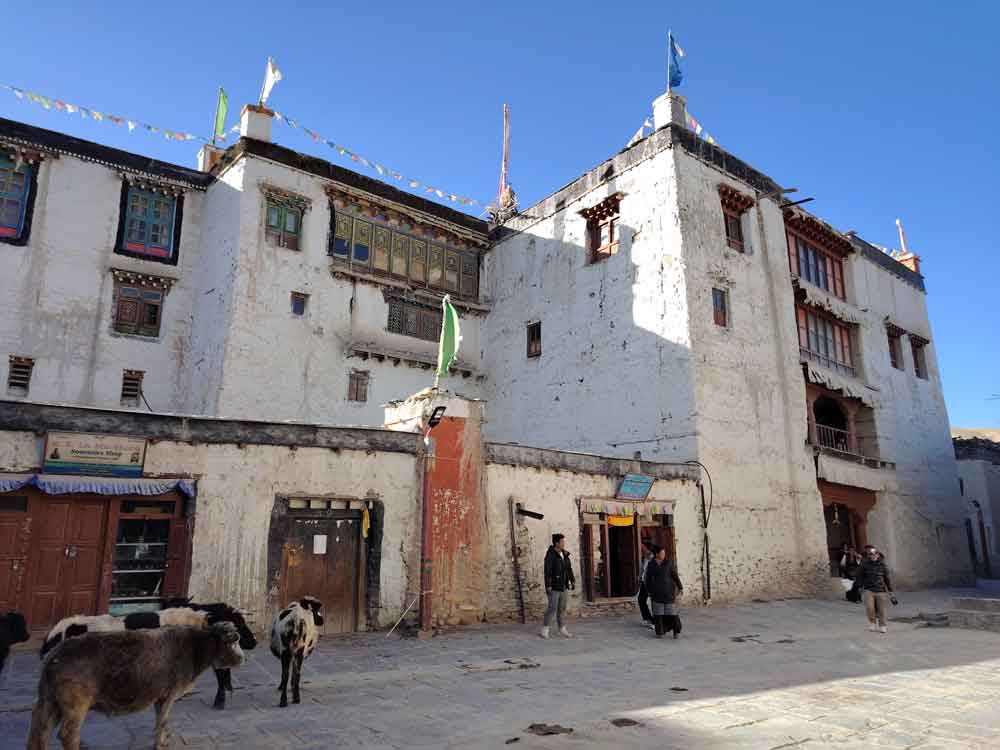
    Lo-Manthang is the historic capital and medieval walled settlement of the former Kingdom of Lo, surrounded by a massive earthen wall built in the 15th century at an altitude of approximately 3,840 meters above sea level. It serves as the cultural heart of a high-altitude desert region heavily inspired by Tibetan Buddhism.

    The Walled Complex: The core city is completely enclosed by an 856-meter-long, 6-meter-high earthen mud-brick wall built to shield residents from fierce Himalayan winds

    White-Walled

    The People: The local inhabitants are known as Lobas, who share distinct language, ethnic, and cultural practices deeply tied to Western Tibet.

    Tiji festival: The most famous festival in Upper Mustang is the Tiji Festival, also known as Tenchi or Tenpa Chirim. It translates to "Prayer for World Peace," highlighting its deep spiritual significance to the local Loba people. It is a grand Tibetan Buddhist ritual that symbolizes the "mythological victory of good over evil spirits.

    Tiji festival is celebrated annually over three consecutive days inside the historic, walled capital of Lo Manthang.

    The Sangri- La Landscape

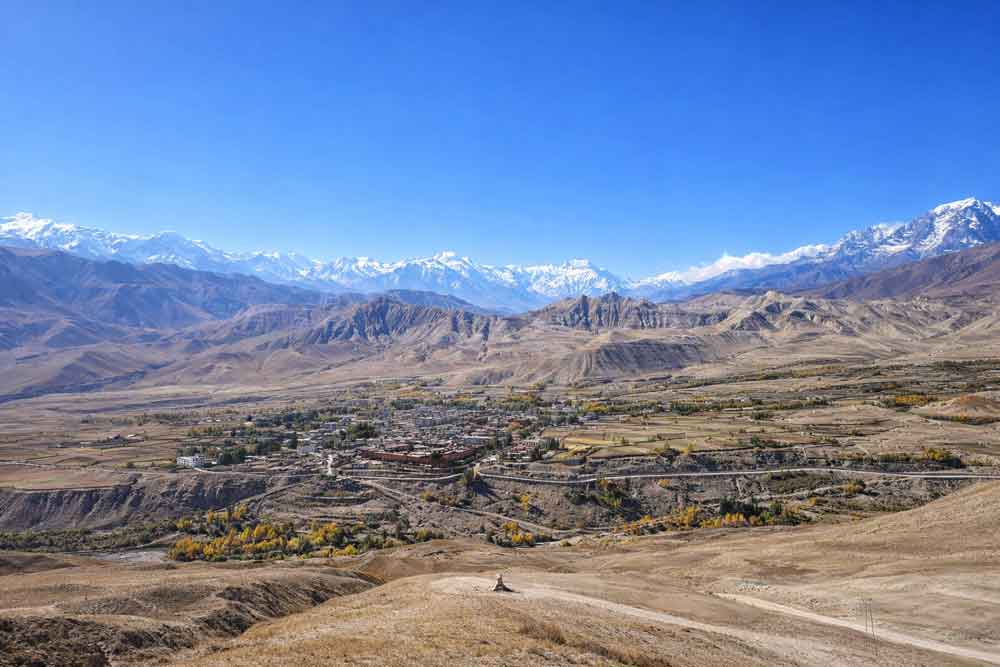
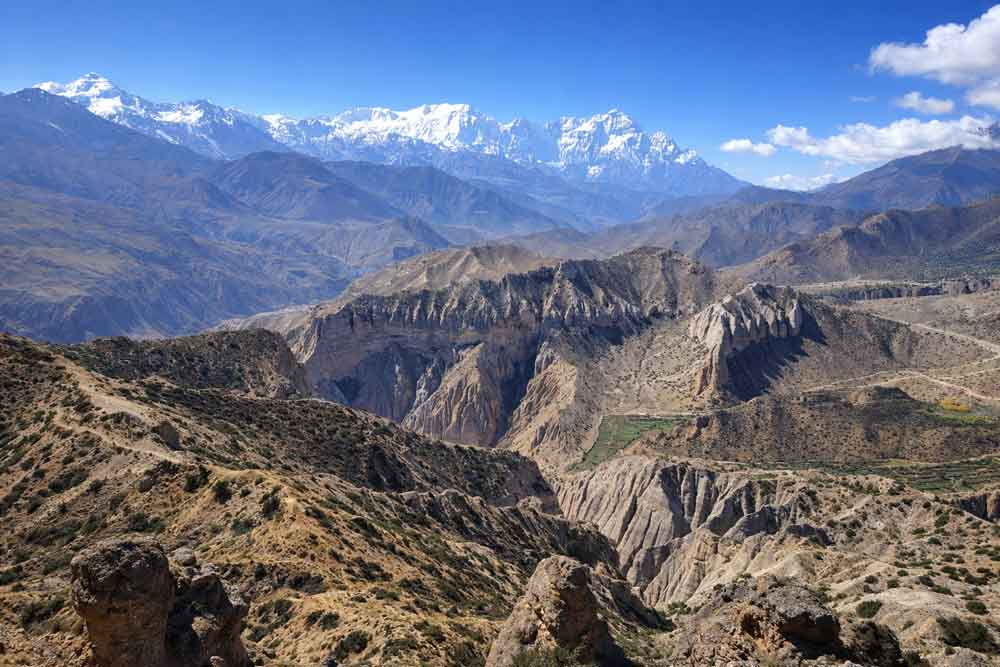
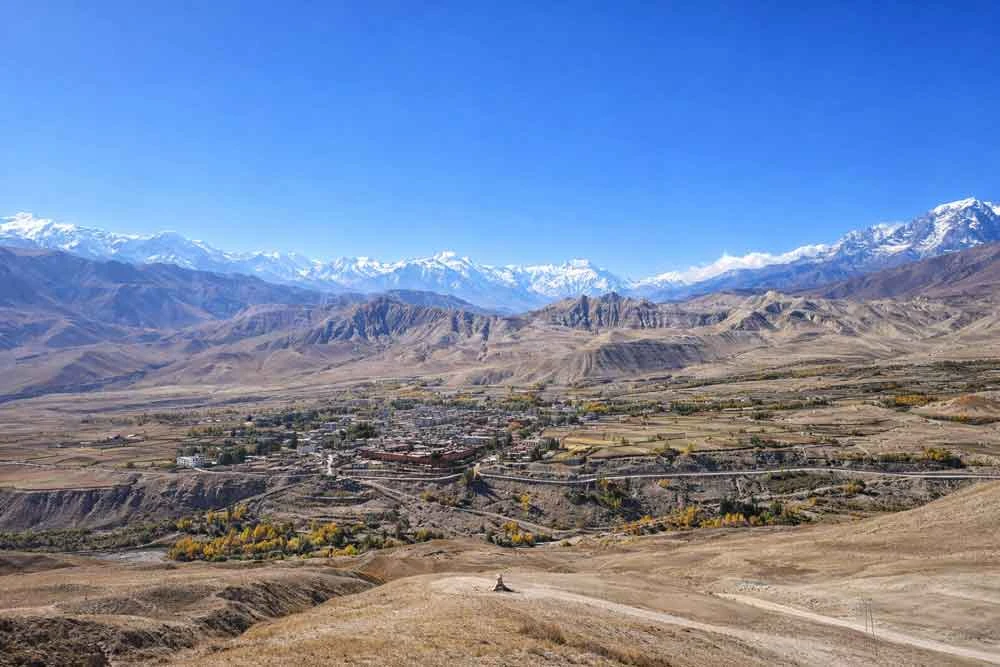
    The Upper Mustang landscape represents a real-world "Shangri-La", where a barren, sun-bleached desert unexpectedly collides with majestic, snow-capped Himalayan peaks. This legendary hidden valley remains pristine due to centuries of isolation, preserving an untouched Tibetan Buddhist culture within a dramatic, otherworldly ecosystem. The features of the Upper Mustang Landscape:

    Landscape

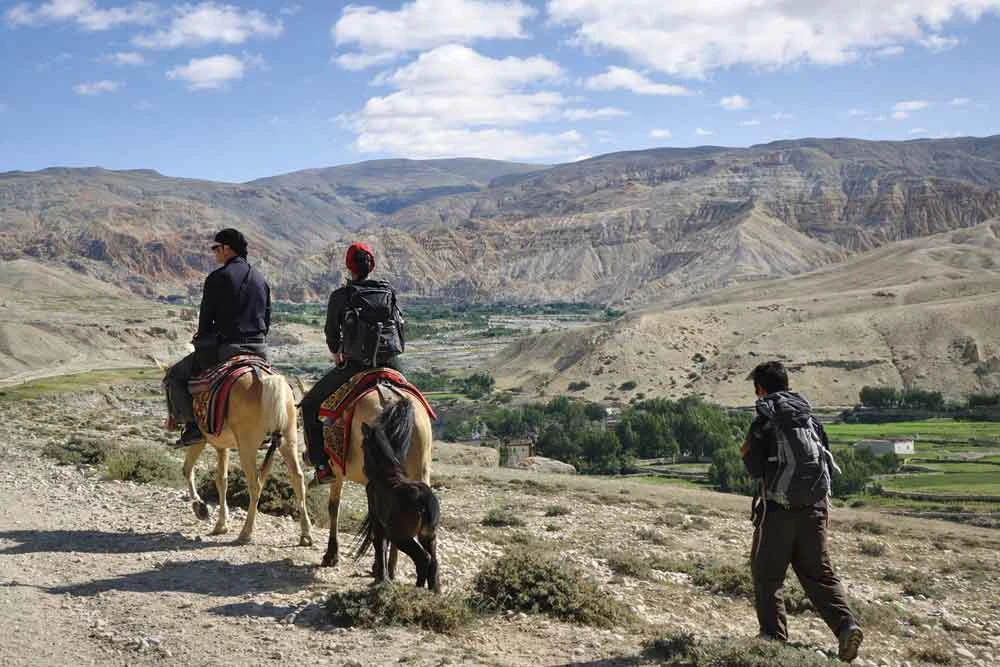
    • Arid Badlands: Rolling hills and vast plains covered in parched, wind-eroded soil with minimal vegetation, featuring deep shades of red, ochre, and iron-grey, which shift colors vividly depending on the angle of the sun.
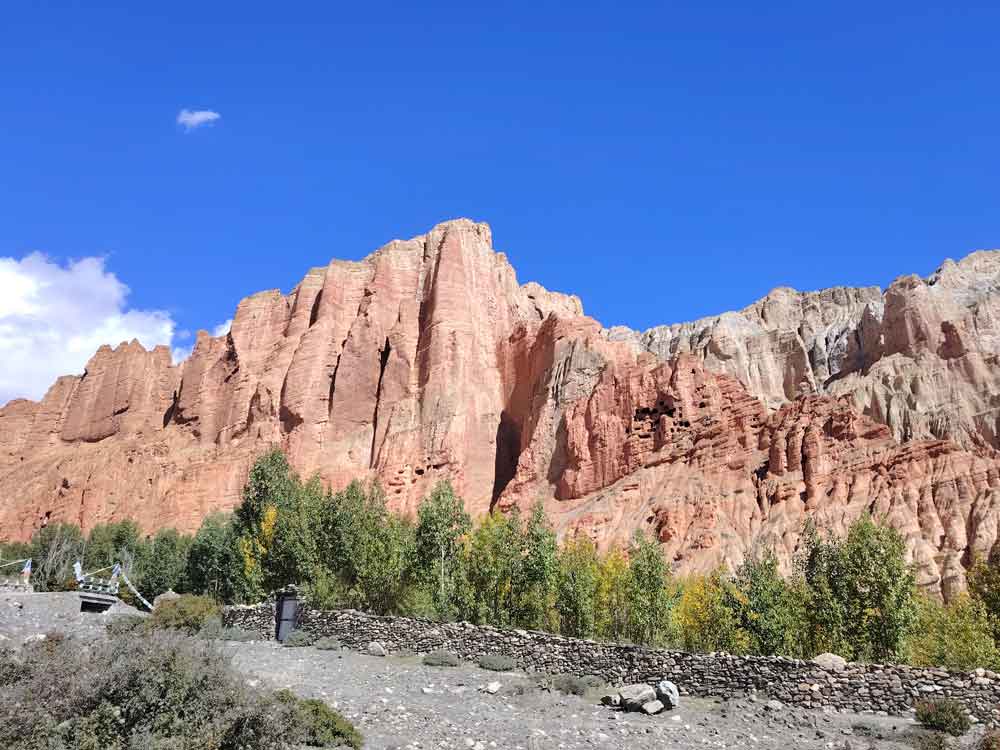
    • Fluted Earth Cliffs: Towering, vertical rock formations carved over millennia by intense winds, displaying striking hues of red, ochre, grey, and brown.
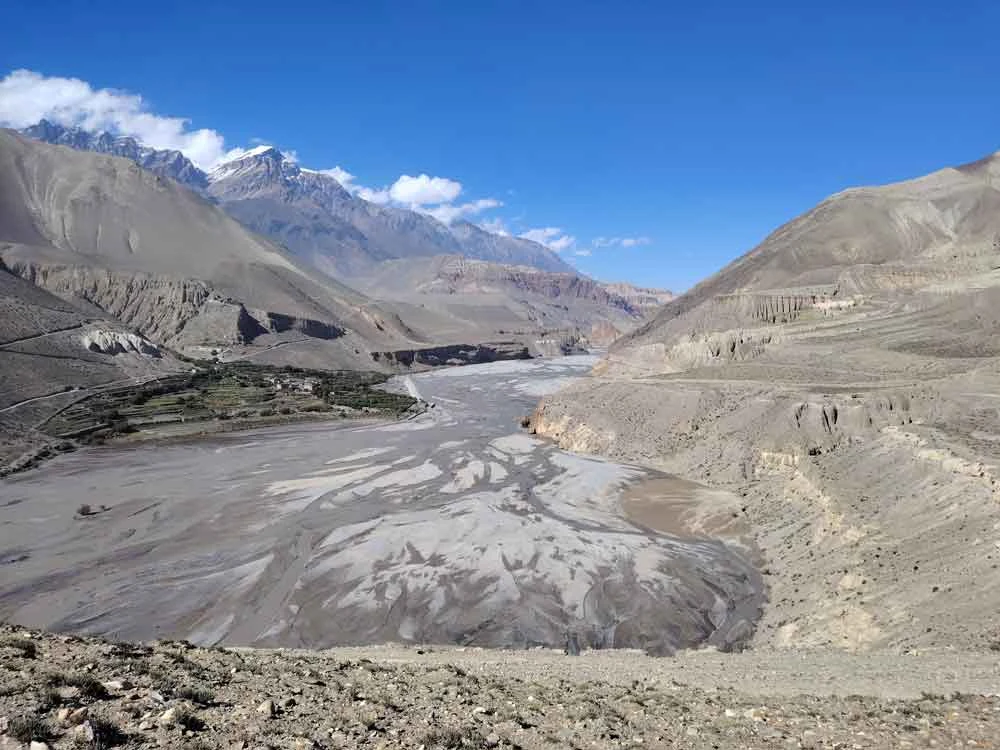
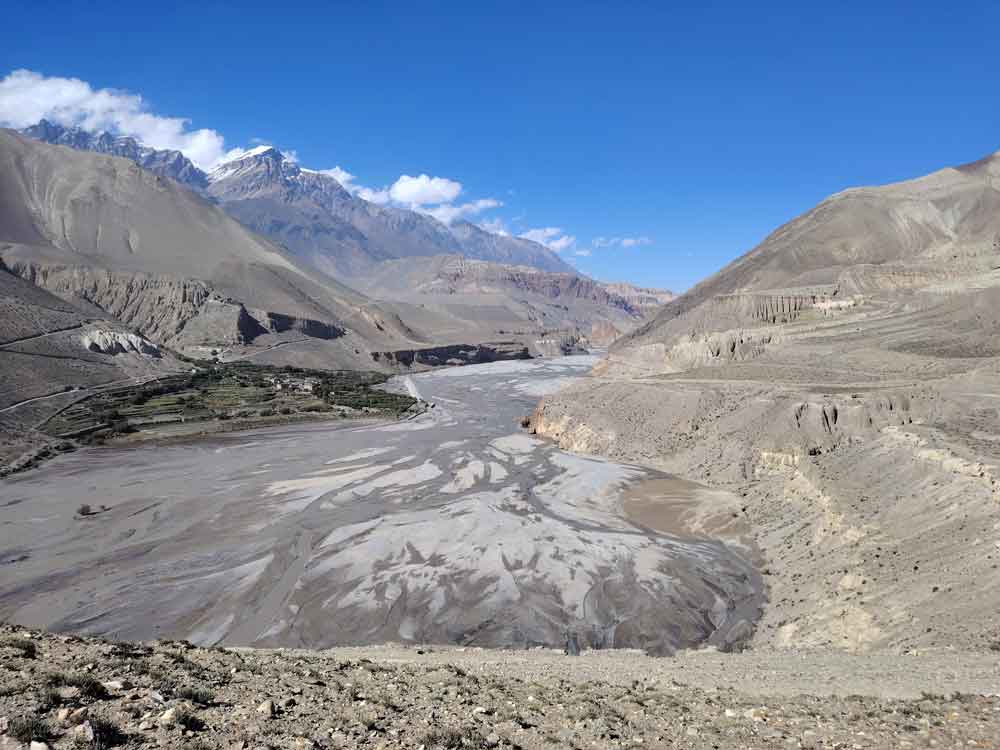
    • Deep River Gorges: The powerful surrounding Rivers including Kali Gandaki River, cut directly through the terrain, forming deep canyons that form the spine of the regional transit corridor.
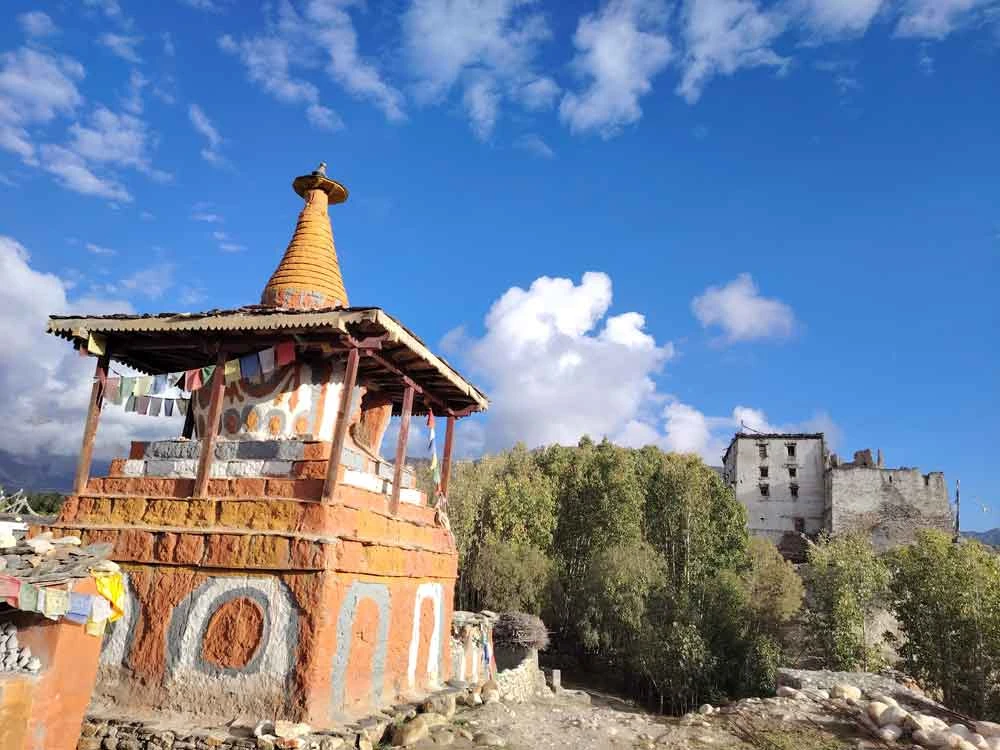
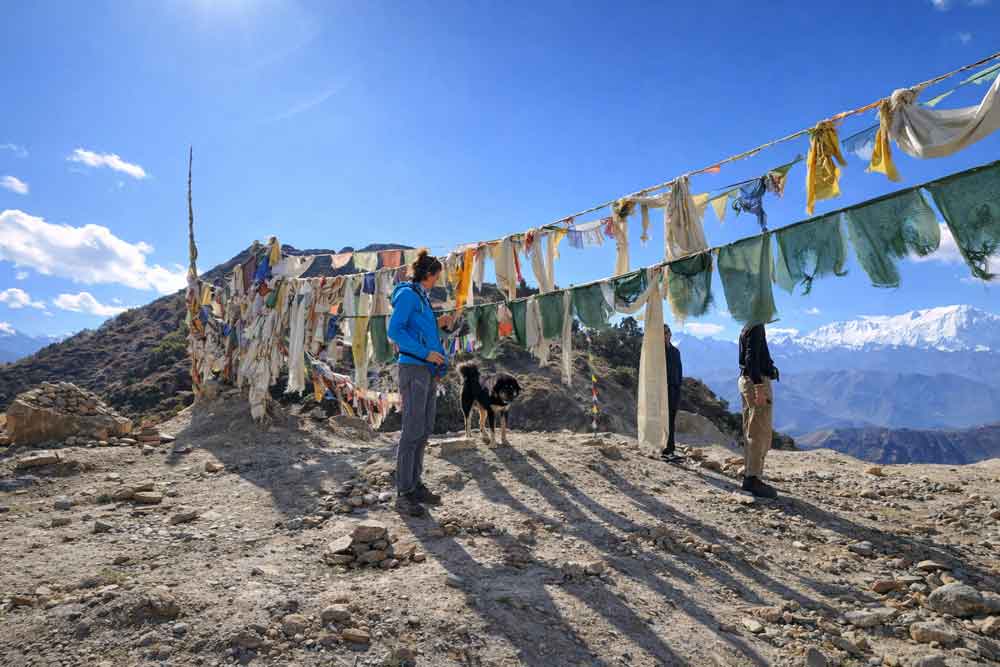
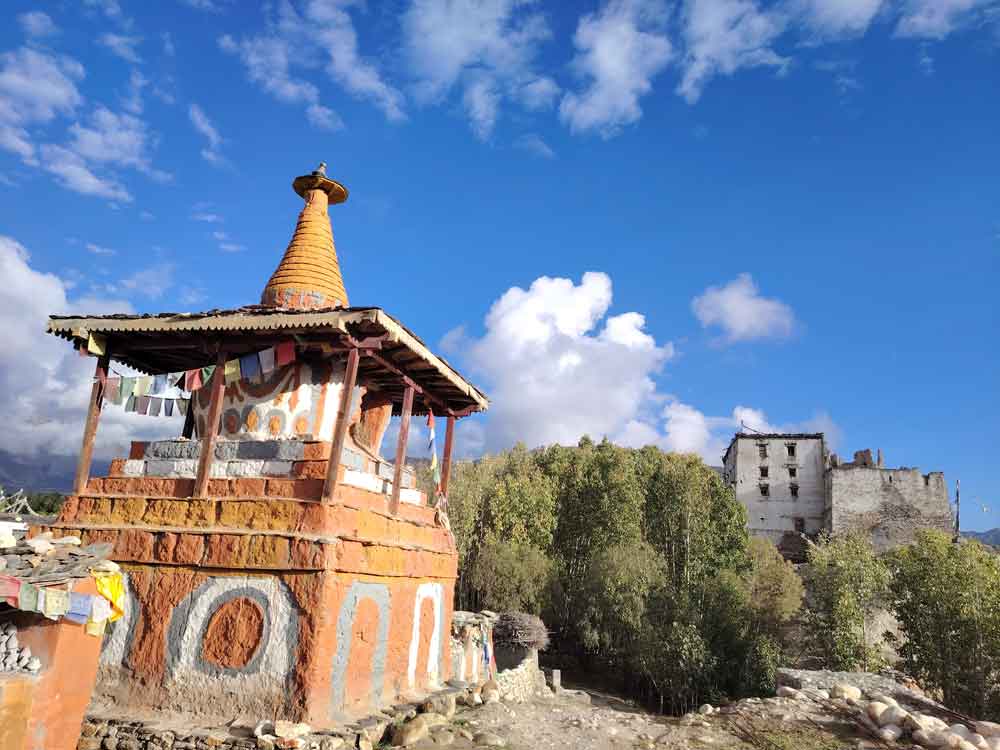
    • Spiritual Geography: The entire terrain is treated as a sacred map. Giant stone entry gates (Kani), long Mani walls built from hand-carved prayer stones, and chortens painted in organic red, white, and blue pigments line every trail to ward off negative spirits.
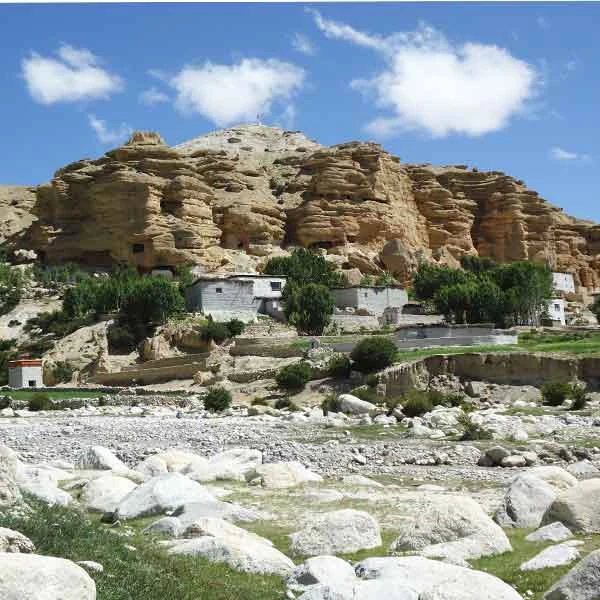
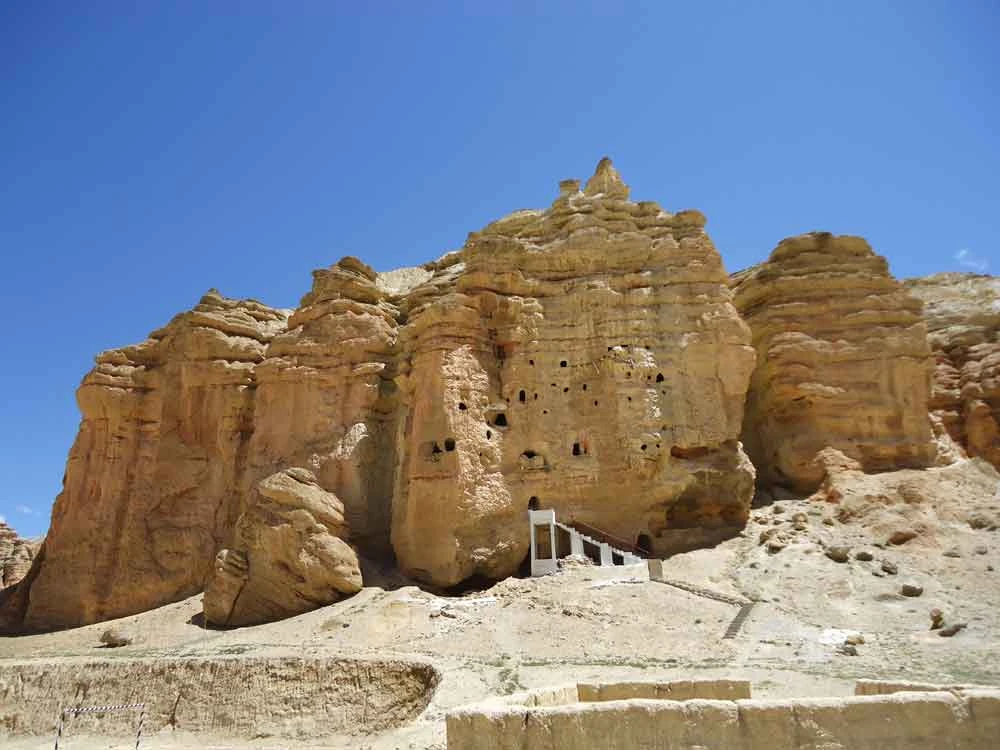
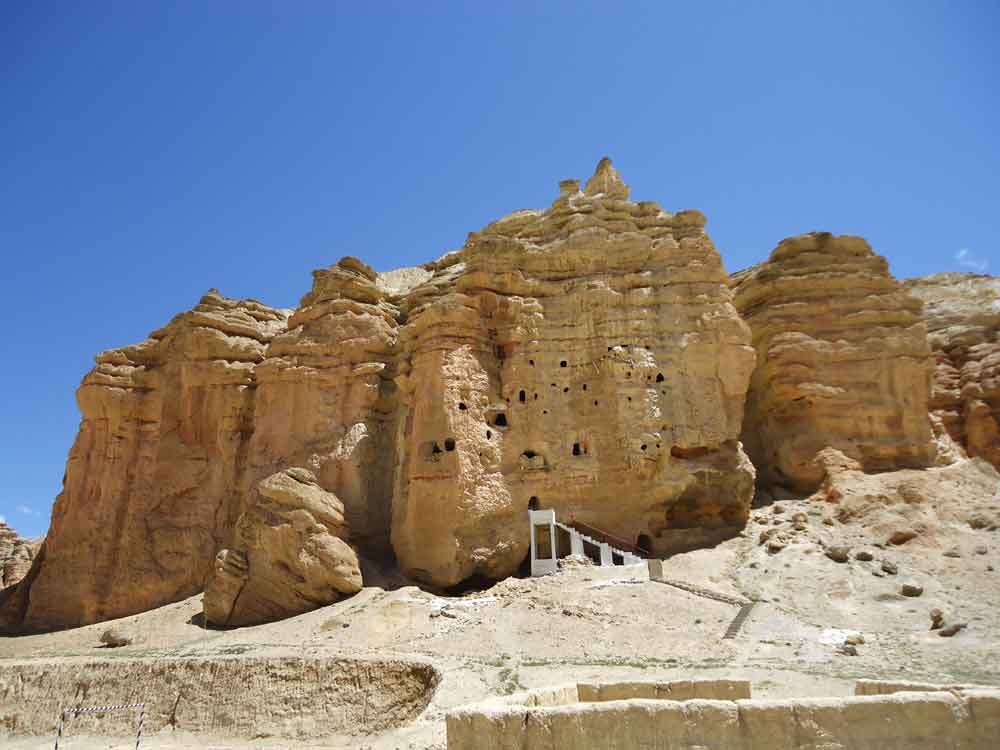
    • Man-Made Sky Caves: Thousands of ancient, multi-tiered cliff dwellings are carved directly into the sheer vertical rock faces, some hanging hundreds of feet above valley floors
    • Hidden Oasis Villages: Villages like Marpha, Kagbeni, Chhuksang, Chele, Samar, Gilling, Ghami, Dakmar Tsarang, Yaraa, Tange, nd Lomanthang emerge like mirages, offering patches of bright green fields irrigated entirely by glacial streams.

    Ancient Monasteries

    • Tsarang Gompa: A massive 14th-century fortress-style monastery located in Tsarang Village at 3560 meters. It serves as one of the largest and most historically dominant spiritual centers of the ancient Kingdom of Lo, second only to the complex in the capital of Lo Manthang, and it belongs to the Sakya school of Tibetan Buddhism.
    • Ghar Gompa (Lo Gekar): Built in the 8th century by Guru Rinpoche, making it one of the oldest active Tibetan Buddhist monasteries in the world.
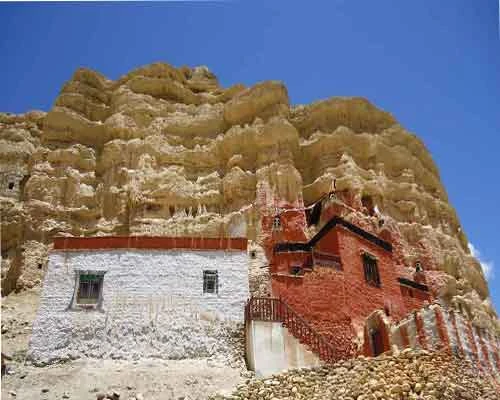
    • Luri Gompa (also spelled Luri Gumba) is an extraordinary, 800-year-old Tibetan Buddhist cave monastery located at Ghara village, 4,005 meters above sea level. Associated primarily with the Nyingma (and Kagyu) sects of Tantric Tibetan Buddhism.
    • Thubchen Gompa: A massive 15th-century monastery in Lo Manthang featuring grand red pillars and beautifully restored murals.
    • Jampa Gompa: Known as the "House of Maitreya," this 15th-century structure houses a massive three-story statue of the Future Buddha.
    • Nyphu Gompa: Built in the 14th century, this Tibetan Buddhist cave monastery is another very famous Gompa in Upper Mustang, located in Chhosser. It belongs to the Nyingma school of Tibetan Buddhism and serves as one of the most culturally significant active spiritual sites north of the walled capital of Lo Manthang.

    Ancient Caves

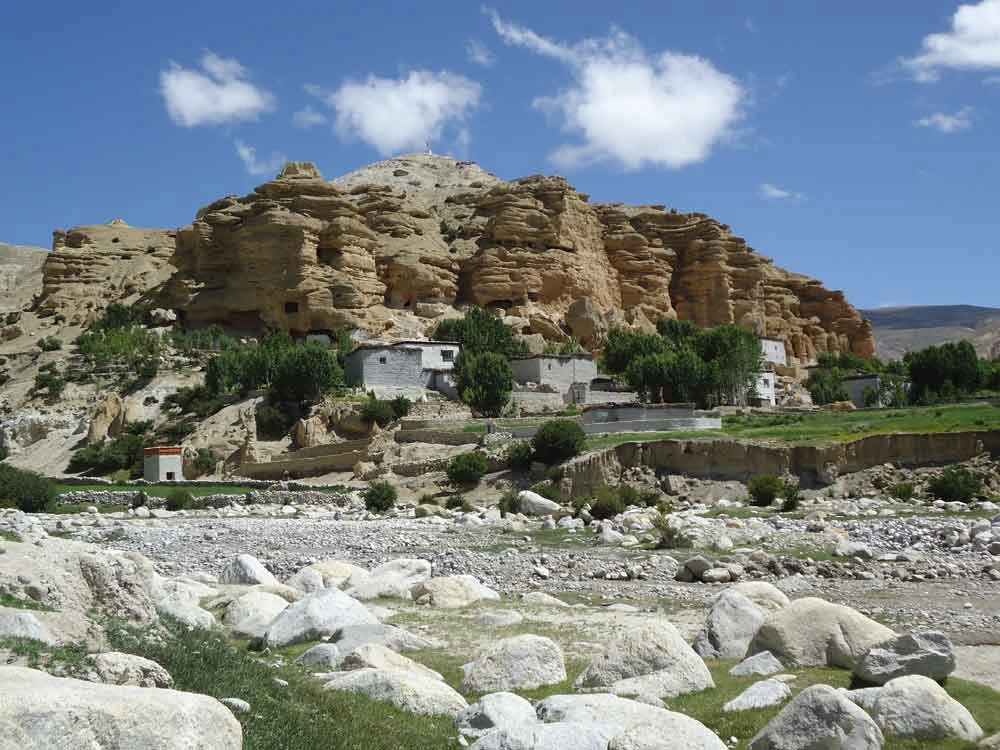
    Caves: There are very interesting caves in Upper Mustang, which depict the ancient culture and civilizations of Upper Mustang. The surrounding cliffs feature ancient, multi-tiered man-made caves dating back to earlier than the 12th century. The caves are decorated with invaluable Buddhist murals and Tibetan script paintings hanging hundreds of feet above the valley floor. Nowadays, it is impossible to climb into some caves because of land erosion or water cutting down the floor level. These caves were used for nesting during a nomadic lifestyle in the Himalayas.

    Sometimes, it was used as a defensive bunker. During ancient tribal wars and territorial invasions, entire communities would climb up the cliff, pull up the ladders, and remain completely secure out of enemy reach. In much later centuries, after the regional peace stabilized, Buddhist monks utilized the chambers for absolute silence of hermits' cells for intensive spiritual training and graves of unusual death.

    • Chhoser Cave: The famous Chhoser Cave, officially known as Shija Jhong Cave or Zhong Cave, is an extraordinary, ancient five-story man-made sky cave located in the Chhoser Valley at 3970 meters. It serves as the region’s best-preserved example of prehistoric cave civilization carved vertically into a sheer, pale-ochre sandstone Cliffside dating back over 2,500 years. These ancient caves are nearly 50 meters (164 feet) tall and a massive underground complex etched out entirely by human hands.
    • Dakmar Cave (commonly spelled Dhakmar Caves) is an ancient, multi-tiered sky cave carved in the red cliff. These cliff dwellings stand out because of the brilliant crimson rock walls that surround them. Unlike the larger, highly structured apartments of Chhoser Cave, the caves at Dhakmar are famous for their deep connection to Tibetan Buddhist mythology and early Himalayan survival.
    • Mebrak Caves: These Caves are situated near Chhuksang and just north of Kagbeni along the edge of the deep Kali Gandaki River gorge. A major archaeological site containing multi-tiered burial chambers. Excavations here uncovered mummified human remains dating back over 2,000 years, alongside wooden beds, copper vessels, and woven textiles, providing a glimpse into the region's earliest settlers.
    • Chokhopani Caves: Located along the Kali Gandaki River Bank in the Lower Mustang region, situated directly across from Tukuche Village. These burial caves date back to approximately 1000 BCE. They have yielded ancient pottery, iron beads, and skeletal remains that trace the prehistoric migration routes between Tibet and the lowlands of Nepal.

    Classic Upper Mustang Trek

    Lomanthang

    Classic Upper Mustang Trek is typically a journey into the "Last Forbidden Kingdom" of Lo, offering an arid, wind-carved landscape that exactly resembles Tibet rather than the lush valleys of Nepal. Upper Mustang is located in the rain shadow of the Annapurna and Dhaulagiri ranges in Nepal, where you can experience ancient Tibetan Buddhist culture thriving behind towering red cliffs and dramatic canyons. Upper Mustang was a former independent Kingdom of Lo, with its capital at Lo Manthang. The arid desert terrain consists of whitewashed monasteries adorned with prayer flags and mud-brick clinging to barren hillsides. The region’s geography, climate, and architecture offer authentic Tibetan Buddhist experiences which are increasingly rare in Tibet itself due to modernization and political changes.

    In Upper Mustang: Tibetan Buddhism permeates daily life through numerous monasteries, prayer wheels lining village paths, colorful prayer flags fluttering from the rooftops, and annual religious festivals. The architectural style used by locals here reflects ancient Tibetan traditions with flat-roofed mud-brick houses, whitewashed walls, and small windows to control cold air in a harsh climate.

    Views

    Upper Mustang had a strong connection to the Trans-Himalayan salt trade, bartering grains and chili with yak wool between the lowlands of Nepal and India and the highlands of Tibet. Upper Mustang was restricted for foreigners until 1992. Then it was opened with a special restricted permit at a flat fee of USD 500 for 10 days and 2 people of minimum visitors. Nowadays, the permit and minimum limit of visitors to Upper Mustang have been changed from a flat to an accessible number and time system. 

    Itinerary

    Sightseeing tour around the UNESCO World Heritage sites in Kathmandu with a tour guide. The trekking company will prepare a restricted Permit and necessary papers for the Upper Mustang jeep tour. A representative or your tour guide will brief you about the trip details in the evening with a farewell dinner.

    After breakfast at the hotel, your tour guide and driver will come to pick you up at your hotel and start driving to Pokhara. All baggage and necessary items or your belongings will be safely placed inside the jeep or attached to the jeep's rooftop. The road from Kathmandu to Pokhara is known as the Prithvi Highway. The Highway is widely connected to the western part of Nepal, including India and Tibet (China), thus it is often very busy. The road passes through the Trisuli River bank and often via the beautiful countryside, which offers greenery, rivers, waterfalls, terraced fields, picturesque villages, farming fields, and beautiful snow-capped mountain scenery. Along the way, you can see the eighth world’s eighth-highest mountain Manaslu, including several of its neighbors. The Queen City Pokhara will present massive views of the Holy Mt. Machhapuchhre, Mt. Annapurna Himalayan ranges, and Mt. Dhaulagiri, and make a fantastic evening excursion around the Lakeside in Pokhara.

    Pokhara to Jomsom is approximately 180 Km distance. This takes about 9 hours of adventurous driving. If you want a comfortable and private drive, then reserving a Jeep is better, but if you want a budget-friendly overland journey, then purchase the necessary seats of sharing Jeep (Rs.2000/3000 per person) to Jomsom.

    The terrain undergoes a dramatic change from lush green hills to a high-altitude desert: The road from Pokhara to Beni is mostly black-topped, smooth paved highway road. Beni to Ghasa road transforms into a rough, narrow, unpaved off-road section. You will pass the dramatic Rupchhe Chhahara waterfalls and drive through the deepest gorge of the world in Danaque. After passing Ghasa, the road quality is better along the riverbeds of Kaligandaki and the scenic Thakali villages like Larjung, Kobang, Tukuche, and Marpha before arriving at the wind-swept town of Jomsom.

    (We recommend stopping at Jomsom for proper acclimatization, even though the jeep goes further.)

    We advise getting a local shared jeep from Jomsom to Samar village because of the dusty road, and the walking trail is mostly occupied by the road in this section. The jeep takes roughly 3 hours from Jomsom to Samar.

    Chhuksang is the gateway where you must submit your special entry documents to begin Upper Mustang restricted area trekking. It is a point of crossing from the lower apple-growing valleys into the dramatic, high-altitude trans-Himalayan desert.

    Chele

    The road goes relatively straightforward and scenic, a flat drive along the wind-swept Kali Gandaki riverbed. The real rugged off-road follows the Kali Gandaki River and starts with steep driving at Chele village, a dramatic ascent up a series of switchbacks carved directly into towering, rust-colored canyon cliffs, bringing you to the oasis village of Samar at an altitude of 3,660 meters. You arrive here by noon, make a bit of higher exploration for acclimatization, and overnight at the same place.

    The trek from Samar to Geling village is a physically demanding yet visually stunning segment of the Upper Mustang Trek. There are two optional routes; we recommend the following one.

    Leave the road and follow a small track that goes via Chhungsi cave. The climb continues alongside a spectacular, steep canyon with views of Nilgiri, Tilicho, and so many standing mountains. Then, the trail leads steadily into the valley filled with juniper trees and rocky hills, and descends to the stream. Visit this ancient, very meaningful, and holistic cave.

    Syangboche

    After that, it may take about 1.5 hours of gradual climbing to Syangboche. The arid rocky hills are incredible in this area, and amazing things to see are the vulture nests that prevail overall in the hills. Lunch at Syangboche and trek further to Geling village for another couple of hours along the picturesque landscape. After walking for 15 minutes, a distinctive red-painted chorten appears, which is called Yanda La Pass; from there, Geling village is visible with two red Gompas. Above Geling village, wide barren pastureland is dotted with brown hills, and also the Nyi La pass (3840m) straight ahead. From Yanda La, there are two ways: one descends to Geling, and one directly heads to Nyi La Pass along the Tama Gaun and two outstanding Chortens. Take the trail that descends to Geling. Overnight at the local hotel

    The trek from Geling to Dakmar village is a visually dramatic section of the Upper Mustang. The trail begins with a steady, continuous uphill climb roughly 450 meters to cross the Nyi La Pass at 4,020 meters. This is one of the higher passes on the route and can be highly wind-swept, but it yields incredible panoramic views of the Annapurna and Dhaulagiri ranges. From Nyi La, you will make a quick descent down into the broad valley of Ghami village (3,520m). This village is one of the largest and most beautiful traditional settlements in the region, characterized by stone houses, white-washed walls, and green agricultural fields that contrast sharply with the desert terrain. This is the standard, logical place to stop for a hearty lunch. Cross the Ghami khola and start a gradual climb up a dry valley until the sheer, massive red cliffs of Dakmar come into view. The village sits right at the base of these striking formations. Along the way, you will see a long Mani wall beyond the Ghami village, which has a meaningful story in the local Buddhist tale. Overnight at the lodge

    Dakmar wall

    The trek from Dakmar to Lo Manthang is widely considered the most spectacular day of walking in Upper Mustang. Do not forget to carry a pack lunch for the day. This specific route is highly favored because it bypasses the standard dusty vehicle road and visits Ghar Gumba, the oldest Tibetan Buddhist monastery of the world. This monastery was built in the 8th century by Guru Rinpoche; it predates Samye Monastery in Tibet. It is famous for its hundreds of beautifully painted stone plaques (mani stones) and ancient murals lining the inner sanctuaries. This is the ideal spot to rest and eat lunch. After leaving the monastery, you begin a long, steady, and wind-swept uphill trudge across open highland pastures. You will cross the Chogo La Pass at 4,230 meters. This is the highest geographical point of your entire trek. As you clear the crest of Chogo La, the entire northern plateau opens up far below; in the desert valley sits the iconic, square, whitewashed earthen wall of the forbidden capital. A long, dusty descent across the plateau brings you through the northern fields and straight into the historic gates of Lo Manthang (3,840m). Overnight at the hotel

    Chhogo La Pass

    Today, you take a tour around the white-walled city. This wall was built as a safeguard from warriors. In former times, all houses were built inside and connected to the palace. Most of the houses are still two-storied and built of mud; there are three ancient monasteries in Lo Manthang, which are very essential to visit. And in the afternoon, you can take a horse ride to explore the Nyiphu monastery, Zhong caves, and Chhossar caves for ancient civilization. Still, you will see some people using caves as part of their life, so this exploration is more meaningful for historical, anthropological, and archaeological facts.

    (You can rent a bike or horse for a day tour if you want longer and wider destinations)

    Chhoser

    Lo Manthang to Tsarang village trek returns via the Lo La Pass at 3,950 meters. It is a wide, gentle pass rather than a steep peak. From the crest, you get wide views of the vast, desert-like canyon landscapes stretching south toward the Annapurna range. From the pass, the trail makes a steady, gradual descent down a wide, gravelly trail. As you approach the village, you will pass a massive, solitary red and white striped Chorten that stands as the grand entrance marker to Tsarang. You will cross a small suspension bridge over the Tsarang Chu (river) and enter the green willow trees of the village. Tsarang is the second-largest settlement in Upper Mustang and is famous for its grand maze of whitewashed stone houses. Explore the famous monastery, the village, and stay overnight at the hotel.

    Tsarang

    Breakfast should be eaten earlier today for leaving preparation by Jeep drive. Jeep tickets should be booked a day earlier with the local Jeep station at Tsarang or Lo Manthang; otherwise, finding seats is impossible. The Jeep will come according to your booking location to pick you up, or you can go to the Jeep station for driving away. It is 120 kilometers of continuous driving to the southbound descent from Tsarang. The jeep from Upper Mustang will drop you at Jomsom and get another Jeep from Jomsom to Tatopani.

    This trip transitions your journey completely out of the Tibetan-style plateaus of Upper Mustang back down to the lush, subtropical valleys of the lower Annapurna region. Get a proper opportunity of hot springs in the evening.

    Catch a local shared jeep or a public bus from the main road in Tatopani. Many public vehicles run directly from Tatopani to Pokhara, while others go to Beni, where you can instantly switch to a frequent microbus heading to Pokhara. The drive becomes significantly smoother and faster. The highway winds gracefully through lush green hills, terraced rice paddies, and vibrant local towns like Beni, Kusma, Nayapul, Lumle, Kande, Naudanda, and Pokhara. Free day in Pokhara

    Return to KTM (By bus or flight) according to your choice

    Useful Info

    Restricted Permit

    • To enter the Upper Mustang, we need a restricted permit is required that costs U.S. $ 50 per day Per Person. The Department of Immigration office in Kathmandu issues the restricted area project permit.
    • Also, each trekker needs to pay U.S. $ 25 for the Annapurna Conservation Area Project (ACAP).

    Best Time to Visit the Upper Mustang

    • Summer (June to August): Upper Mustang is in a rain-shadow region, so it receives less rainfall than other parts of Nepal during the monsoon. This can be a good time to visit if you want to avoid crowds, with temperatures ranging from 13°C to 25°C.
    • Spring (March to May): You'll experience moderate temperatures, clear skies, and blooming flowers. Temperatures range from 15°C to 20°C during the day and drop to around 5°C at night. The Tiji Festival often takes place in May, offering a unique cultural experience.
    • Autumn September to November)This is considered ideal due to stable weather conditions, clear skies, and comfortable temperatures (10°C to 20°C during the day, 0°C to 5°C at night). The landscapes are also lush after the monsoon.
    • Winter (December to February): It is possible to make a tour or trek, but it's challenging due to cold temperatures (below freezing) and potential snowfall. It is not as dangerous as the other parts of the Himalayas.

    Symptoms of altitude sickness:

    Symptoms of altitude sickness (acute mountain sickness) include difficulty sleeping, dizziness, headache, fatigue, loss of appetite, rapid pulse, nausea, vomiting, etc. It affects mountain climbers, hikers, and skiers because of the lower air pressure and lower oxygen levels. It occurs because of failure to adapt at a higher altitude. It happens mostly in the brain or in the lungs after fluid begins to leak from blood vessels.

    When fluid collects in the brain, you initially get headaches, loss of appetite, nausea, tiredness, a desire to lie down and feel powerless, no desire for physical movement, and a decrease in consciousness.

    Prevention of Altitude Sickness

    "Avoid rapid altitude gain, drink enough water or fluid, acclimate to adjust the body to higher altitudes, avoid alcohol, eat regular meals, get higher and sleep at lower altitudes, and avoid high altitudes if you have heart and lung disease. The main treatment for acute mountain sickness is to stop climbing to higher altitudes and descend to a lower altitude if the symptoms occur"

    • Ascend Gradually: Do not rush your ascent. Stick to a well-planned itinerary that allows for gradual altitude gain.
    • Acclimatization: Try to incorporate slower hiking or take short acclimatization hikes (climb higher and sleep at lower).
    • Stay Hydrated: Drink 3-4 liters of water daily. Avoid alcohol and excessive caffeine, as they can dehydrate you.
    • Eat High-Calorie Meals: Your body needs more energy at higher altitudes. Focus on carbohydrate-rich foods.
    • Listen to Your Body: Pay close attention to any symptoms (headache, nausea, dizziness, fatigue). If symptoms persist or worsen, descend to a lower altitude immediately.
    • Consider Preventive Medication: Consult your doctor about taking Acetazolamide (Diamox) as a preventive measure, especially if you have a history of altitude sickness or are concerned about the altitude.
    • Proper Breathing Techniques: Practice deep breathing to improve oxygen intake.
    • Layer Clothing: Dress in layers to adapt to temperature fluctuations and stay warm

    Clothing

    • Layered clothing: Moisture-wicking base layers (short and long-sleeved), fleece jacket/pullover, waterproof and windproof outer shell jacket.
    • Warm down jacket: Essential for higher altitudes, especially during evenings and mornings.
    • Trekking pants/trousers: Comfortable and quick-drying.
    • Warm pants for evenings: Fleece-lined track pants.
    • Underwear and sports bras.
    • Warm hat, buff/neck gaiter, and gloves.
    • Sun hat or cap.

    Footwear

    • Worn-in hiking boots: Waterproof and ankle-supportive.
    • Trekking socks: Some pairs (wool or synthetic).
    • Comfortable shoes/sandals: For evenings at teahouses

    Gear and Accessories

    • Daypack: For carrying daily essentials.
    • Duffel bag: For your main luggage, carried by a porter.
    • Sleeping bag: (Optional, but recommended for warmth, especially in colder months)
    • Trekking poles: Highly recommended for stability and reducing strain on knees.
    • Headlamp with extra batteries.
    • Water bottle or hydration bladder: At least 2-3 liters capacity. Consider a water filter or purification tablets.
    • Sunglasses (UV-protected).
    • Sunscreen and lip balm with high SPF.
    • Basic first-aid kit: Including pain relievers, blister treatment, antiseptic wipes, bandages, and any personal medications.
    • Toiletries: Quick-drying towel, toothbrush, toothpaste, biodegradable soap, hand sanitizer, toilet paper.
    • Snacks: Energy bars, nuts, dried fruit (options can be limited on the trail).
    • Camera and extra batteries/power bank.
    • Travel adapter.
    • Small padlock: For your teahouse room.
    • Book, cards, or other entertainment for evenings.
    • Passport photos and Nepalese rupees in cash for the trek expenses

    Accommodation system in Upper Mustang

    We provide accommodation according to your demand and accessibility, either normal standards or comfortable luxury hotels in the City. We provide very neat, clean, and comfortable hotels, lodges, friendly homestays, or locally, what is available options for the most suitable on tour.

    Drinking Water

    Travelers should be very aware of drinking water in Nepal. They are not completely adapted to digest direct normal spring water due to bacteria. So, we recommend you drink mineral water or boiled water. Also, you can use some purifier tablets such as chlorine tablets for purifying water during the trek. We strongly recommend mineral water in the city area and purified or boiled water during the trek.

    Similar Packages